Most people who visit Kenya’s south coast stop at Diani Beach; a small number venture further to Shimoni or Wasini. Very few reach Funzi Island. 75 kilometres south of Mombasa, where the Ramisi River meets the Indian Ocean, the archipelago sits quietly: four mangrove-covered islands, one permanently inhabited, largely undiscovered and unhurried.
That near-invisibility is what makes Funzi remarkable. Beneath a first impression of seclusion, you find mangrove forests, mixed coastal forests, and wetlands that make Funzi one of the most ecologically diverse islands in Kenya. Add an intact Swahili cultural tradition stretching back over a millennium, sea turtle nesting beaches among the most significant in the Indian Ocean, and one of the few remote luxury resorts on the East African coast, and the picture that emerges is of a place that quietly earns the word “extraordinary” without ever trying to.
Where is Funzi Island?
Funzi Island sits at the mouth of the Ramisi River estuary, approximately 35 kilometers south of Diani Beach and 75 kilometers south of Mombasa. The nearest gateway is Bodo Village on the mainland. The island is accessible only by boat, a short crossing that immediately signals you have left the tourist trail behind.
What sets Funzi apart from Kenya’s other coastal islands, including Lamu, Wasini, and Chale, is its easy accessibility. There are no paved roads, no vehicles, and no police station. The pathways between mangroves are sand underfoot and open sky above. Visitors consistently describe it as stepping out of one world and into a quieter, older one.
History & People
The Shirazi: Keepers of a Thousand-Year Legacy
Funzi’s human story begins somewhere between Persia, the Arabian Peninsula, and the ancient trading corridors of the Indian Ocean.
The island’s one village is home to approximately 1,500 members of the Shirazi people. The majority are Muslim and sustain themselves through fishing and agriculture. But the Shirazi story is considerably older and more complex than those bare facts suggest.
Oral traditions link the Shirazi to the Lamu Archipelago, where seven brothers from the Iranian city of Shiraz are said to have settled. Their descendants moved south in the 10th and 11th centuries, intermarrying with Bantu-speaking coastal communities and absorbing Arab and Persian cultural influences through the Indian Ocean trade routes. The result was the Swahili civilisation that characterises Kenya’s entire coast today.
On Funzi, that heritage is visible in everything from the architecture of the village mosque to the design of the fishing dhows anchored in the creek. Visitors can witness dhow building, net fishing, and cultural ceremonies that connect the community to its historical roots. The island’s oral traditions are particularly rich. The community’s elders carry stories of ancient kingdoms, inter-island alliances, and conflicts with neighboring peoples that stretch back centuries and have never been widely documented.
Life on the Island Today
Funzi is a functioning community whose daily rhythms are shaped by the tides and seasons rather than tourist schedules. A walk through the village, past low coral-and-mortar houses, carved doorframes, and shaded courtyards, speaks directly to the long Swahili tradition shared with the stone towns of Lamu and Zanzibar. Visitors who take the time to explore it consistently describe it as one of the most memorable parts of any visit to the Kenyan coast. The hospitality is unreserved, the pace is arrestingly slow.
Cultural Etiquette: Funzi is a conservative Muslim community. Dress modestly when visiting the village: shoulders and knees covered. Ask permission before photographing residents. Friday afternoons are reserved for prayers, so schedule village visits for other times. Alcohol is not available in the village, and visitors are asked not to bring it into the community. It is only available at private lodges. The warmth you receive in return for these small courtesies is real.
Ecology & Conservation
Five Endangered Species and the People Fighting for Them
Funzi Island is Kenya’s most significant sea turtle nesting site, and the waters around it support five IUCN-listed species, all recognised as either endangered or critically endangered.
- Green Turtle (Endangered): The true resident of Funzi. These are the most common visitors, favouring the island’s quiet, sloping beaches for nesting.
- Hawksbill (Critically Endangered): A frequent visitor often found foraging among the nearby coral gardens; they rely heavily on Funzi’s undisturbed sands for their survival.
- Olive Ridley (Endangered): Known for massive synchronised nestings elsewhere, these are seen sporadically in Funzi’s foraging grounds but nest here less frequently.
- Loggerhead (Endangered): Large-headed and powerful, these are primarily seen offshore in the deeper channels rather than on the nesting beaches.
- Leatherback (Critically Endangered): The giants of the turtle world. While they forage in Kenyan waters, a sighting near the shore is a “once-in-a-decade” event.
Their presence is not accidental. It is the direct result of the island’s geography, its small, contained population, and decades of quiet conservation effort. The island hosts an array of undisturbed ecosystems, including coastal wetlands, mangrove forests, sandy beaches, creeks and estuaries, that provide critical feeding and nesting habitat across 15,073 acres of land and sea.
A locally formed group, the Funzi Turtle Club (FTC), has run an ecotourism project with the support of the Kenya Sea Turtle Conservation Trust since 2010. In that time, the FTC has planted over 30,000 mangroves on the island and conducts regular anti-poaching patrols and educational programmes with schools across Kwale County. The club’s core argument, that living turtles generate more economic value through ecotourism than poached ones, is gaining ground.
Visitors can meet the club’s members during island tours and, in season, join conservation patrols on the nesting beaches. The experiences are not commercially packaged, and are all the better for it.
Beyond the Turtles: An Ecosystem in Full
The mangrove forests that ring Funzi are functioning nurseries for marine life, carbon sinks, and natural buffers against coastal erosion. Guided boat journeys through the channels reveal herons, kingfishers, and fish eagles above; mudskippers, fiddler crabs, and juvenile fish at the waterline below.
The estuarine environment also supports Nile crocodiles in the Ramisi River. Further offshore, from late June through December, humpback whales migrate along the Kenyan coast and are occasionally spotted during boating trips from the island.
What You Actually Do on Funzi Island
Funzi rewards a different kind of traveller: someone who wants to be somewhere most visitors never reach and who is happy to engage with that place at whatever pace feels right. The activities on offer are few, purposeful, and often extraordinary.
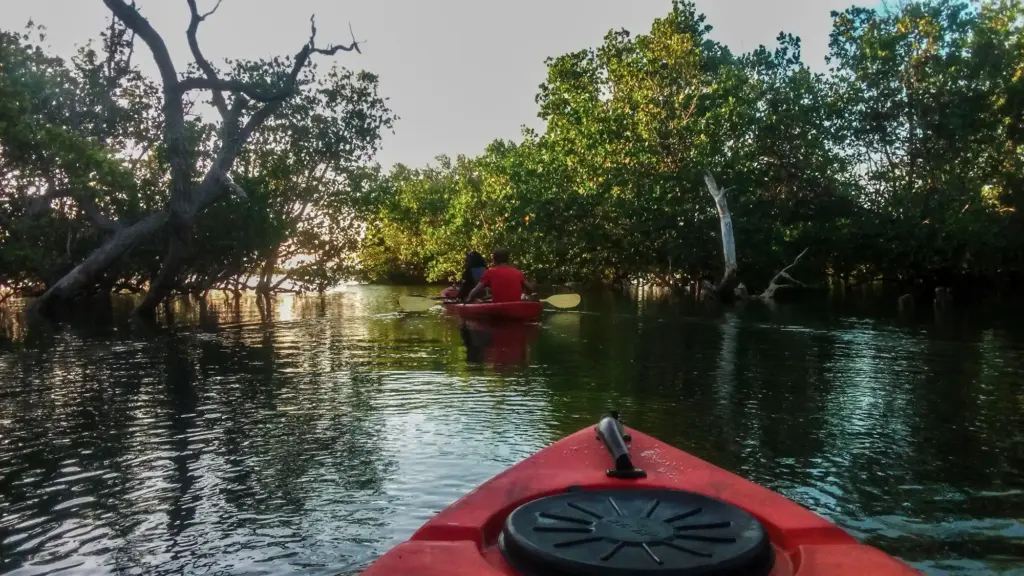
Dhow Safari Through the Mangroves
The signature Funzi experience. Traditional wooden dhows navigate the tidal channels between the islands, offering close-up views of the mangrove ecosystem, birdlife, and occasional crocodile sightings. Sunset trips are particularly memorable: the channel waters turn gold as the fishing boats return for the evening.
The Disappearing Sandbank
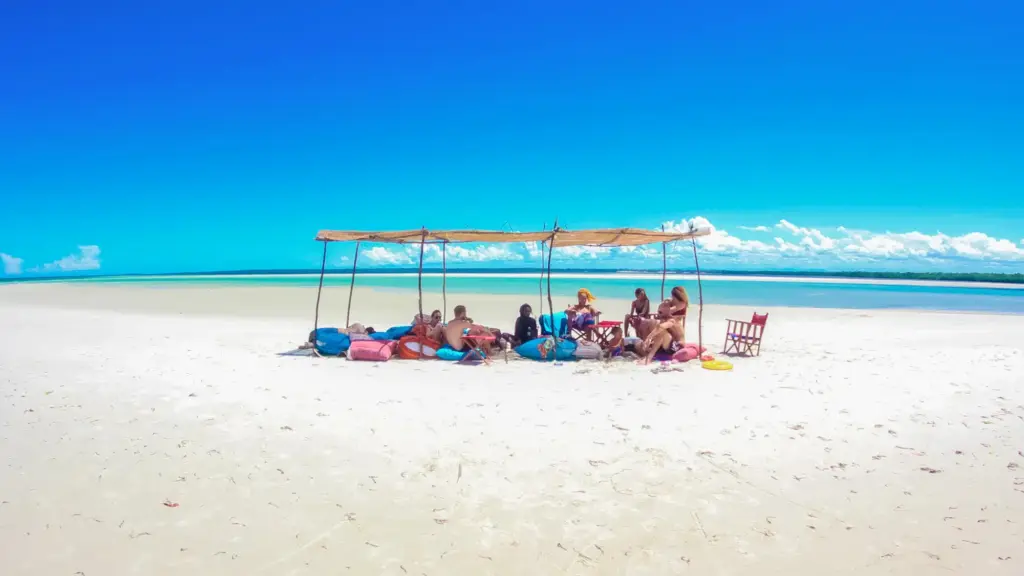
At low tide, a broad white sandbank rises from the Indian Ocean, surrounded by shallow, clear, warm water, with nothing around it but open sky, the distant haze of the mainland, and the soft sound of lapping waves. At the right moment, the sand can take on a faint rosy hue from crushed organ pipe coral mixed into the shoreline. It is ideal for swimming, beachcombing, or simply sitting still in the sun.
Sandbank Timing: The sandbank only appears at low tide and disappears completely when the tide returns. Check tide tables for the Kwale coast before confirming your visit, and plan your boat departure to arrive within two hours of low tide. Your operator or Funzi Keys will have this information readily available.
Ramisi River Crocodile Safari
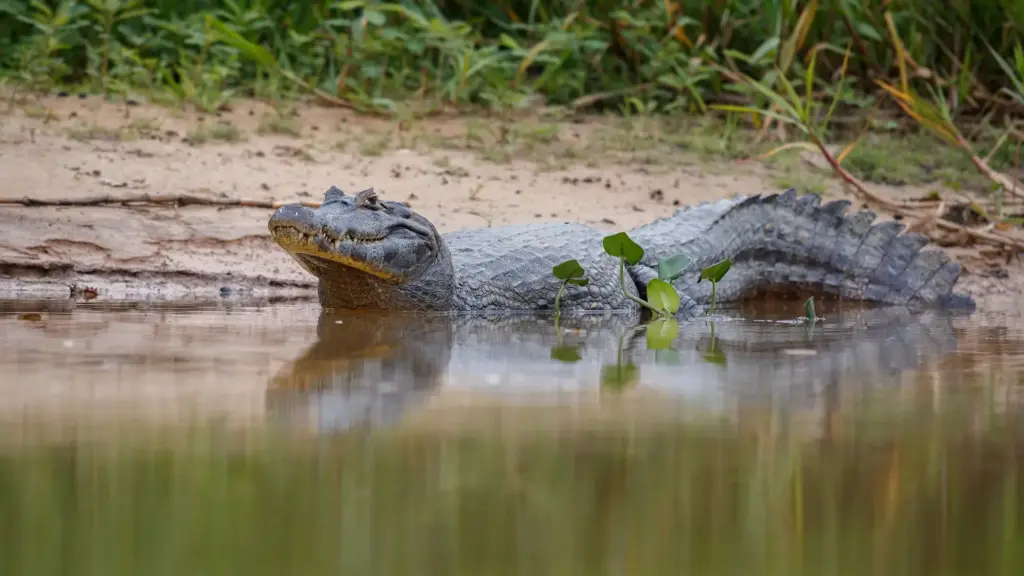
A two-hour boat journey up the Ramisi estuary passes through dense mangrove corridors with sightings of Nile crocodiles on the banks, along with exceptional birdlife: kingfishers, herons, and the unmistakable call of the fish eagle echoing across the water. The thick mangrove cover means biting flies, including tsetse flies in some seasons, can be a nuisance on this stretch. Wear long sleeves and apply a strong DEET-based repellent before boarding the boat.
Deep-Sea Fishing & Diving
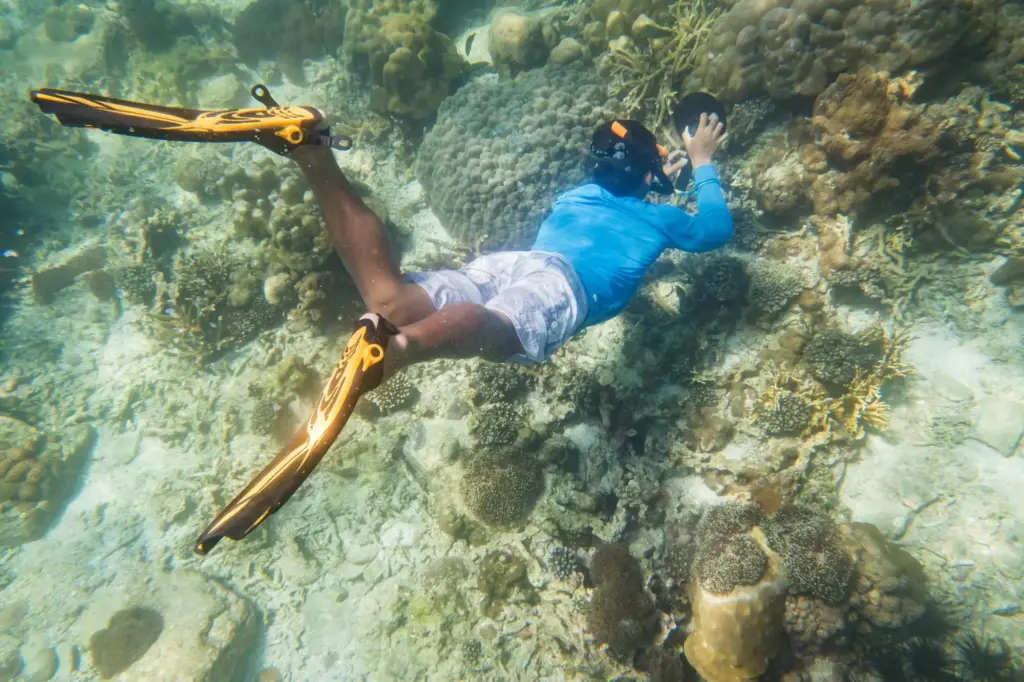
Funzi Keys is an excellent base for deep-sea fishing and scuba diving in the Pemba Channel. The billfish season runs from November to March; July to October is best for tuna. Scuba diving and snorkelling at the nearby Kisite-Mpunguti Marine Park, one of Kenya’s premier dive sites, can be arranged by speedboat in approximately 25 minutes.
Turtle Conservation Experience
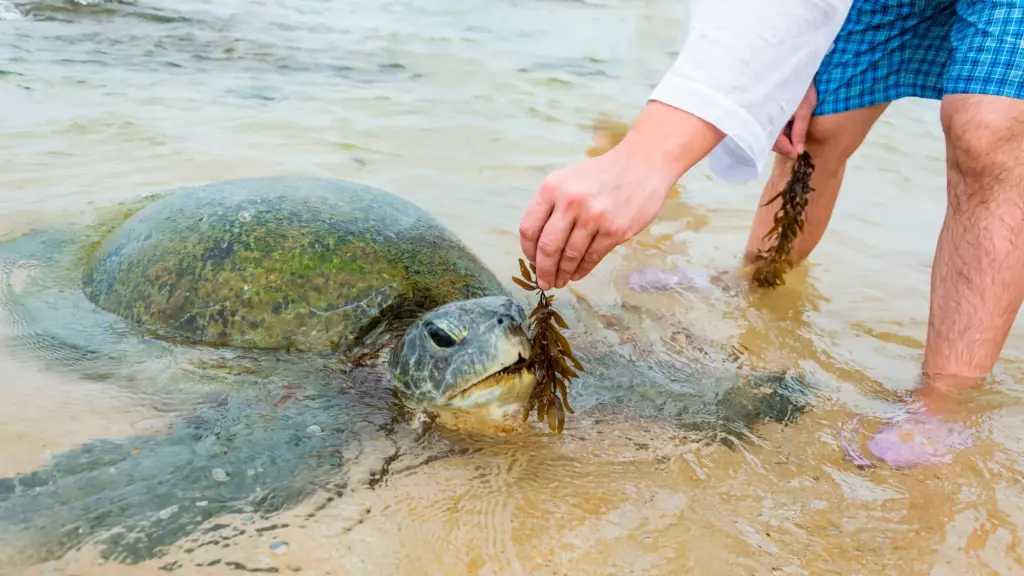
Meeting the Funzi Turtle Club and participating in beach patrols or mangrove planting sessions are among the most meaningful ways to engage with the island. Contact the club in advance to arrange participation. These are not drop-in activities with fixed hours.
Village & Cultural Tour
A guided walk through Funzi village offers real insight into traditional Swahili life, local customs, and the islanders’ history. Most tours conclude with a traditionally prepared Swahili seafood lunch. For many visitors, the meal alone justifies the trip.
Getting to Funzi Island
Access to Funzi is part of the experience. The island is reached only by boat from Bodo Village: there is no bridge, ferry service, or road access.
| Starting Point | Road Journey | Notes |
|---|---|---|
| Diani Beach | ~45 minutes | Most convenient starting point. Scenic drive through coconut groves and fishing villages. |
| Mombasa City | ~2 hours | Cross the Likoni Ferry, drive south, then boat |
| Ukunda Airport | ~45–60 minutes | Daily flights from Nairobi and the Maasai Mara. Closest air access to the island. |
| Charter Flight | ~15 minutes | Direct air transfer to Funzi Keys, available to resort guests. Arrange through Funzi Keys. |
| Public Transport | ~1.5–2 hours | Take a matatu on the Lungalunga–Ramisi road from Likoni terminus. Alight at Ramisi junction, then take a boda boda to Bodo village. |
From Bodo, the boat crossing to Funzi takes approximately 15 to 20 minutes.
Day trip vs. overnight: Funzi is a five-to-six-hour day trip at minimum from Mombasa or Diani. Allow four to five hours on the island for the sandbank, a village walk, and lunch, before the return journey. An overnight stay removes the time pressure and transforms the experience from a rushed excursion into something restorative. Day-trip guests arriving at Funzi Keys are charged a KSh 500 entry fee per person.
When to Visit Funzi Island
Funzi can technically be visited year-round, but the experience varies significantly by season.
Peak Season: July – October & December – March
- Dry weather, clear skies, calm seas
- Best conditions for dhow trips and sandbank visits
- July–October: humpback whale migration offshore
- November–March: prime billfish season for deep-sea fishing
- Booking is essential at Funzi Keys
Green Season: April – June & November
- Long rains April–June; short rains November
- Boat access may be affected in heavy rain
- Mangroves at their most lush
- Significantly lower rates at Funzi Keys
- Strong birdwatching, with migratory species present
Where to Stay on Funzi Island
Accommodation on Funzi is limited by design. There are no chain hotels, beach clubs, or resort complexes. What exists sits at two distinct ends of the spectrum: a single world-class ecolodge, and simple local options for those who prefer a more immersive stay.
Funzi Keys: Boutique Luxury Ecolodge
Funzi Keys pioneered the castaway-chic style of island hospitality on Kenya’s south coast and remains the most evocative place to stay on the island. It is known for its exclusive, rustic-luxury island experience: 17 bandas built from thatch, timber, and canvas, some sitting directly on the seafront, others set back with open sea views. The atmosphere is homely rather than polished resort, and that is precisely the appeal. Solar power and rainwater harvesting keep the footprint low.
All island activities, including dhow safaris, fishing, diving, and crocodile river trips, are arranged through the lodge. The open-air restaurant is one of the standout features, serving fresh seafood that draws consistent praise from guests. Staff are mostly from the island’s own community, which gives the place a warmth that larger resorts cannot replicate.
Access is by boat from Bodo (15–20 minutes) or charter flight from Mombasa (15 minutes).
Note: Funzi Keys has faced periods of closure and management shifts in recent years. Confirm availability and current operating status directly before booking.
Best for: Couples, honeymooners, small groups who want the full island experience.
Mikoko Cove: Mainland Gateway
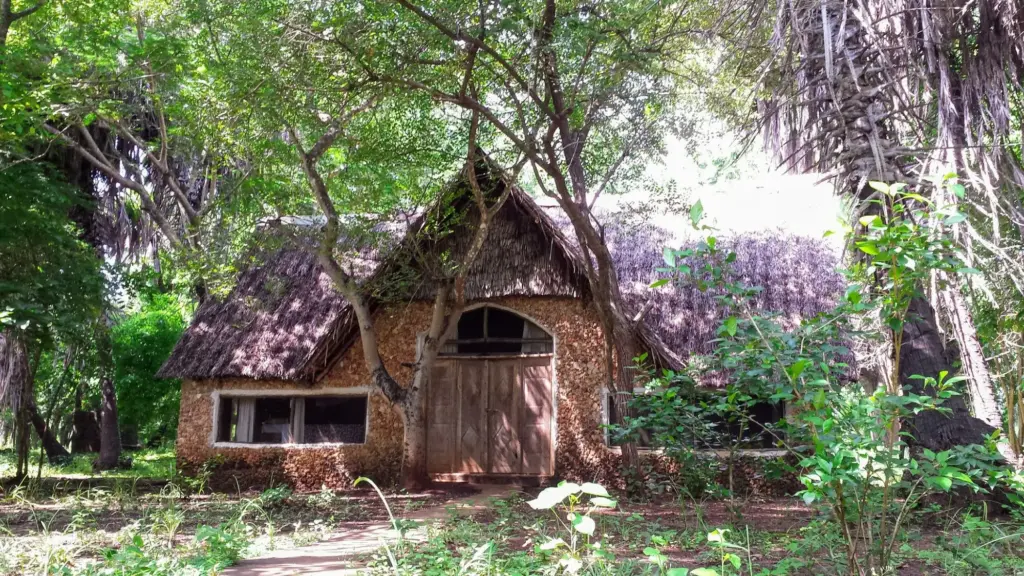
Our large dorm banda, which can accommodate 5 people – Mikoko Cove Ecolodge, Funzi Island. Source: Tripadvisor
For travellers who want reliable, high-end comfort with easy access to Funzi, Mikoko Cove on the mainland side, near Bodo, is the most dependable option in the area. It offers the south coast’s signature combination of mangrove scenery and Indian Ocean calm, without the logistical uncertainty of a fully remote island property. Day trips and guided excursions to Funzi’s sandbank, mangrove channels, and village can all be arranged from here.
Best for: Travellers who want a solid base without sacrificing access to Funzi’s highlights.
Village Guesthouses & Homestays
A handful of simple guesthouses operate within the main village. Facilities are basic: shared bathrooms, mosquito nets, and locally prepared meals. Note that alcohol is not available in the village out of respect for local Muslim traditions; it is only available at the private lodges. Arrangements are best made through operators in Diani or Bodo, or by asking in the village directly.
Best for: Budget travellers, solo explorers, extended cultural stays.
Day Trips: Most Diani-based operators offer structured day trips that include the sandbank visit, a village walk, and lunch. Day-trip visitors at Funzi Keys pay a KSh 500 entry fee. A full day is the minimum worth allowing.
Combining Funzi With the Wider South Coast
Funzi’s position makes it a natural anchor for a broader south coast itinerary. The neighbouring destinations offer enough contrast that a week’s trip could take in wilderness, coastal history, and world-class marine ecology without doubling back.
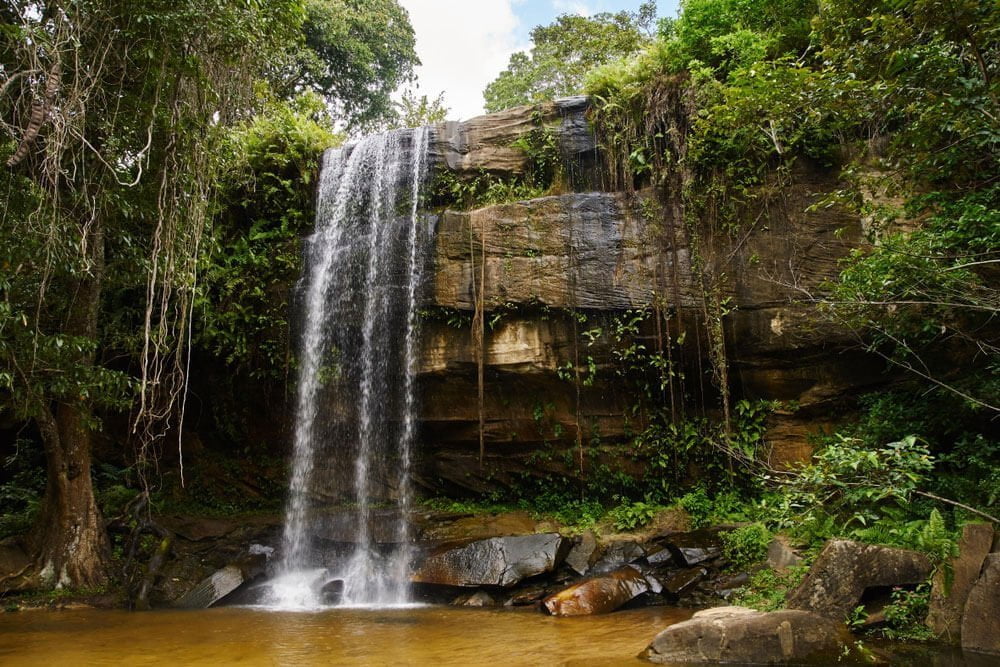
- Shimba Hills National Reserve lies just inland and is one of Kenya’s most underrated wildlife destinations, home to the rare sable antelope, forest elephants, and the Sheldrick Falls. It can be visited as a half-day trip from Diani or combined with an overnight stay in Funzi.
- Kisite-Mpunguti Marine National Park, near Shimoni, protects some of the finest coral reef systems on Kenya’s coast and is excellent for snorkelling, diving, and dolphin watching. A speedboat from Funzi Keys reaches Kisite in approximately 25 minutes.
- Wasini Island, a short boat ride from Shimoni, is another largely undeveloped island with a rich Swahili history, coral gardens, and the famous Charlie Claw’s seafood restaurant. It shares Funzi’s unhurried character without the same degree of remoteness.
Frequently Asked Questions
Is Funzi Island worth visiting as a day trip from Diani Beach?
Yes, but allow a full day. The sandbank, a village walk, and lunch together take four to five hours before the return journey. An overnight stay is richer, but a full-day trip covers the essentials.
Can I see sea turtles at Funzi Island?
Most likely during nesting season (October to March) and at low tide. Join a Funzi Turtle Club beach patrol for the best chance of a sighting with minimal disturbance to the animals.
Is Funzi Island safe for solo travellers?
Yes. The community is small and accustomed to visitors. Use a reputable operator for boat transfers, tell someone your plans, and respect local customs.
What is the best time of year to visit Funzi Island?
July to October and December to March offer the best weather and sea conditions. July to October also brings humpback whales offshore. April to June has lower rates at Funzi Keys and lush mangroves.
Do I need a permit to visit Funzi Island?
No park permit is required. Day-trip visitors at Funzi Keys pay KSh 500 per person. For turtle conservation activities, contact the Funzi Turtle Club in advance.
How does Funzi compare to Wasini Island or Lamu?
Lamu is the most culturally immersive but also the busiest. Wasini sits in the middle: wilder than Lamu, more accessible than Funzi. Funzi has the fewest visitors and the strongest sense of isolation. It is the natural next step if you have done Diani and want something that feels like discovery.