The Ndoto Mountains are among the least visited ranges in northern Kenya. They rise from the dry lowlands north of Samburu National Reserve, creating a rugged landscape of granite ridges, dry riverbeds, and high forest. Tourism infrastructure is minimal, access is slow, and the terrain requires careful planning.
If you enjoy hiking, remote places, and cultural travel in Kenya, the Ndoto Mountains offer an experience that rewards effort over convenience.
Where Are the Ndoto Mountains Located?
The Ndoto Mountains are on the border between Samburu County and Marsabit County in northern Kenya. They are south of Lake Turkana and west of the Matthews Range, forming part of Kenya’s northern highlands.
Ngurunit village, at the southern edge of the range, is the main entry point. Most people get there from Isiolo through Laisamis. The A2 highway from Isiolo to Marsabit is paved, but the road from Laisamis to Ngurunit is rough and unpaved, so you’ll need a high-clearance four-wheel-drive vehicle. Even with better roads on the main highway, the last stretch is still slow and exposed, which means few people visit.
Landscape and Natural Features
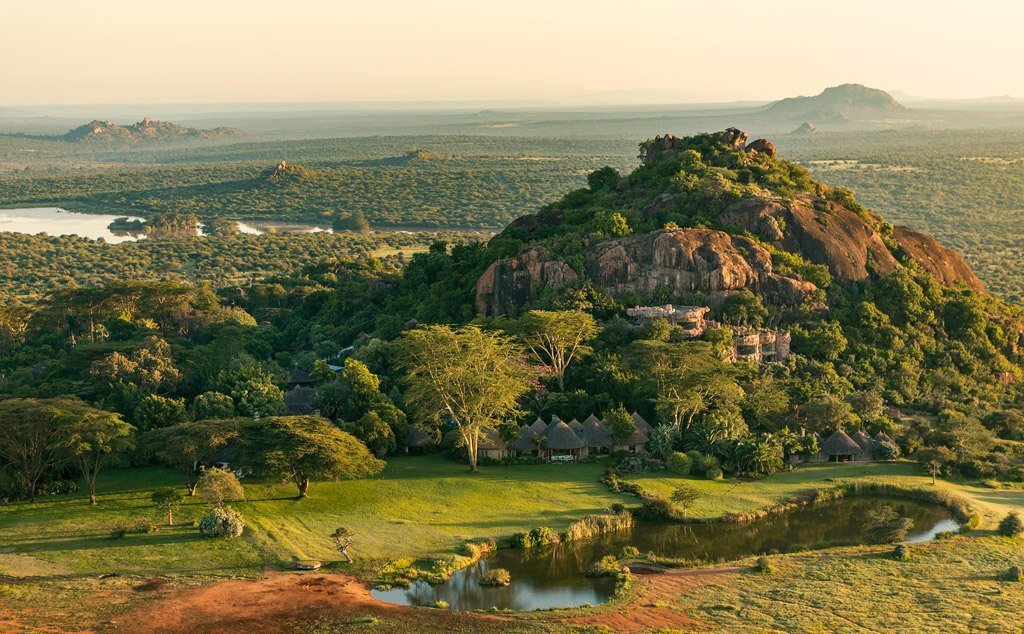
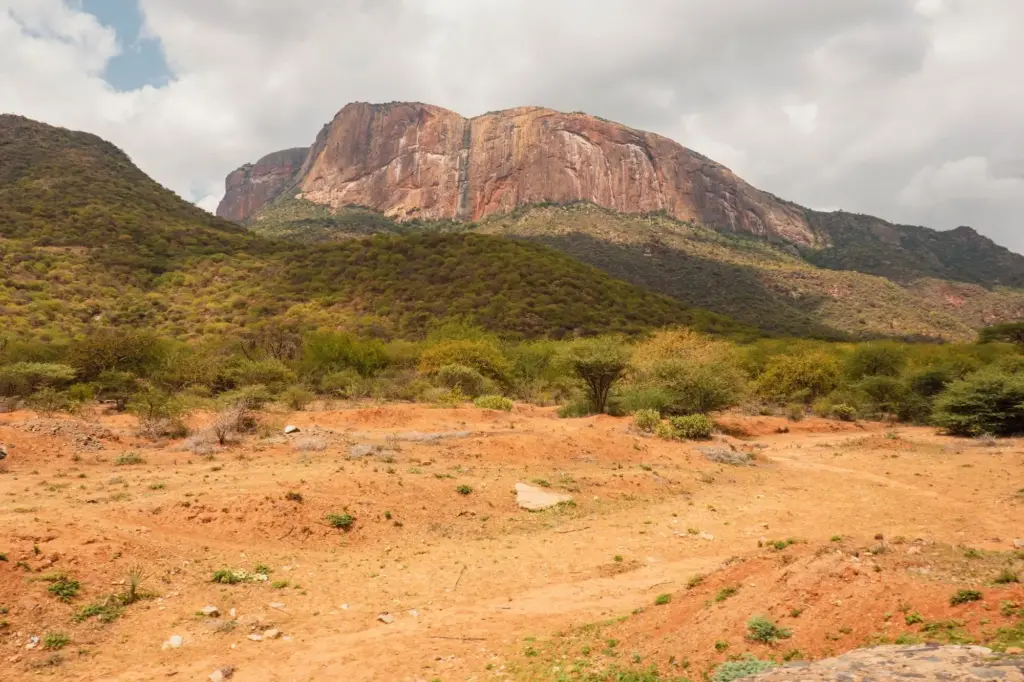
The Ndoto Mountains have steep granite ridges, forested upper slopes, and narrow valleys shaped by seasonal rivers. The lower areas are covered in thorn scrub, while the higher ground has Afromontane forest and cooler temperatures.


Water is scarce for most of the year. People, livestock, and wildlife rely on dry riverbeds, hand-dug wells, and shaded mountain pools to get around.
Mount Poi stands out as the most noticeable part of the range. Its bare granite cliff rises above the hills and is a constant landmark for hikers.
Life in and Around Ngurunit
Ngurunit is a Samburu village located between Samburu National Reserve and the southern shores of Lake Turkana. The river that runs through the village is often dry and is used more as a path than a water source.
People collect water from shallow wells surrounded by thorn fences. Daily life follows pastoral routines, with camels heading to the plains and goats and sheep grazing higher in the mountains. During dry periods, wildlife such as elephants may come close to villages in search of water.
Hiking in the Ndoto Mountains
Hiking is the main activity in the Ndoto Mountains. The trails are unmarked and follow old footpaths used by herders. The climbs are steep, distances can be deceptive, and conditions can change quickly.
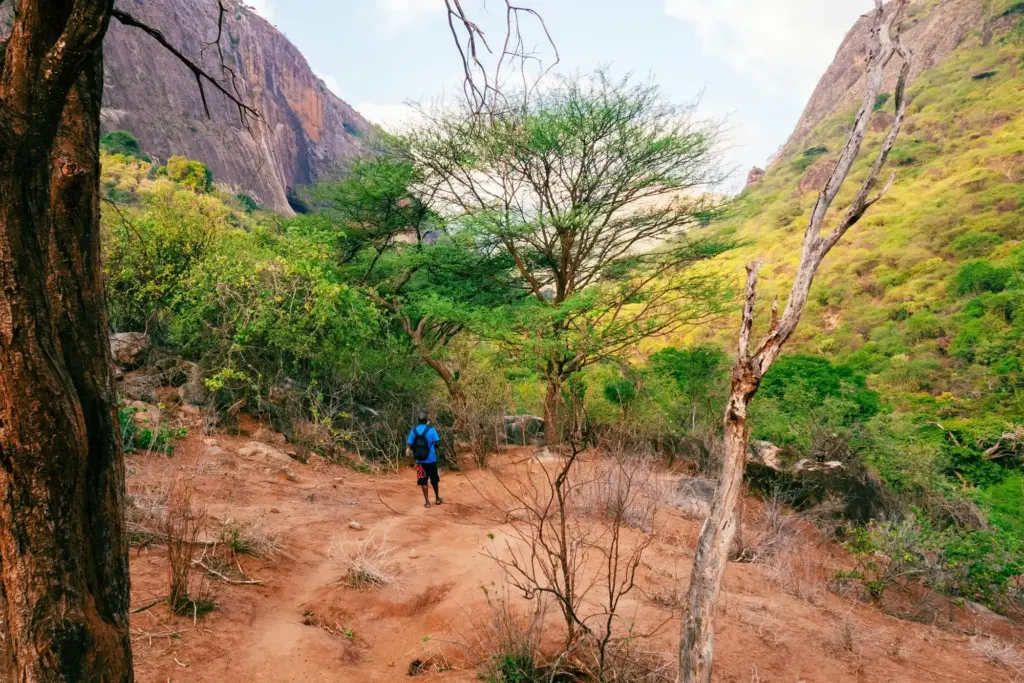
Local guides are essential. They help you find your way, know where to get water, and understand the current conditions.
Hidden water pools in the higher forests give you rare chances to swim and take a break on long hikes. In Ngurunit, natural rock slides in the granite riverbed are a favorite for many, but they only work if there’s been enough rain.
Culture and Land Use
The Samburu and Rendille communities use the Ndoto Mountains at different times of year. Where they graze and settle depends on rain, pasture, and water, not on set borders.
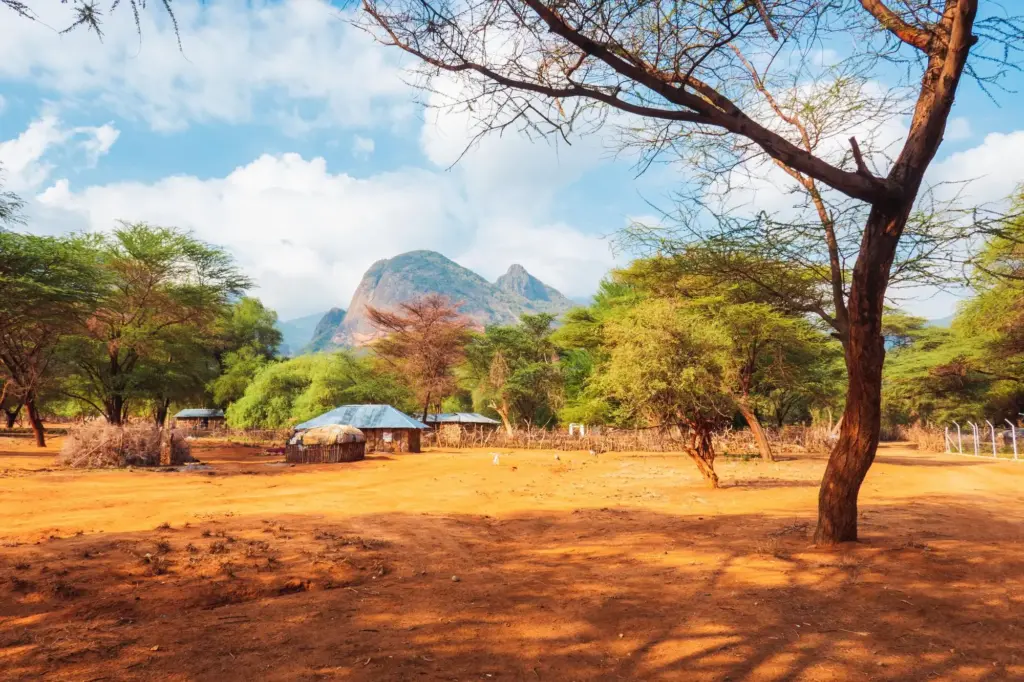
Certain hills, trees, and forest clearings hold ancestral significance. Traveling with local guides offers insight into how land, memory, and identity are closely connected in this region.
Wildlife and Conservation
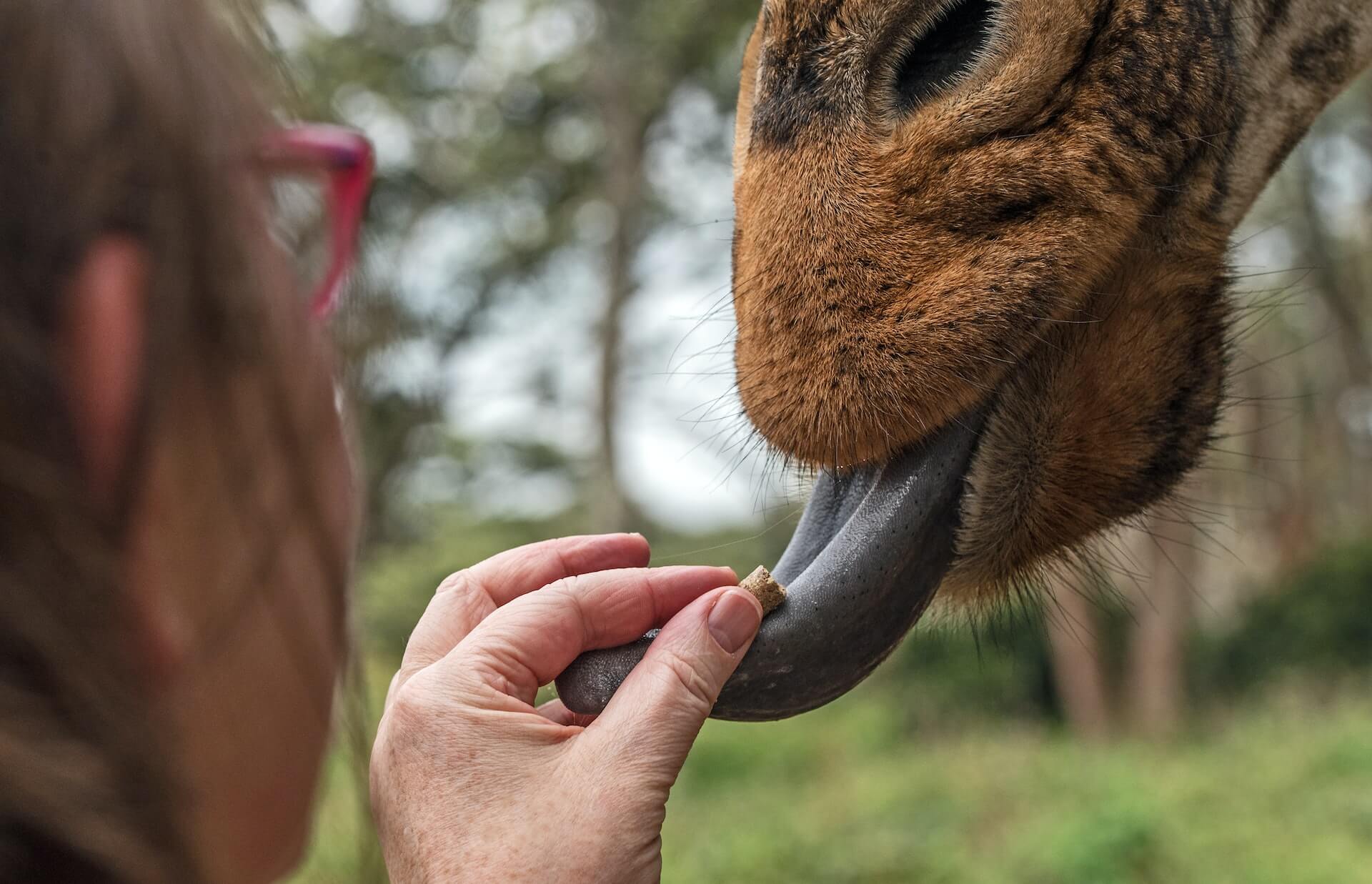
Wildlife in the Ndoto region is present but dispersed. Animals like Grevy’s zebra, reticulated giraffe, and elephants move through the valleys and lowlands, especially after it rains.
This area is part of a larger community-led conservation initiative that keeps wildlife corridors open, allowing pastoralism and wildlife movement to coexist.
Best Time to Visit the Ndoto Mountains
The best time to visit the Ndoto Mountains is in the dry months, usually from June to October and January to February. Trails are more accessible, and river crossings are safer
During rainy seasons, roads may become inaccessible, and flash floods are a risk.
Who Should Visit the Ndoto Mountains?
The Ndoto Mountains are best suited to experienced travelers, hikers, photographers, and those interested in remote travel in Kenya. This is a working landscape shaped by water scarcity, pastoral movement, and long-standing cultural ties to land, and travel here requires preparation, respect, and flexibility.
It is not suitable for visitors seeking luxury lodges, guided tours, or predictable itineraries. If you’re ready to adapt to the conditions, the Ndoto Mountains offer one of the most authentic and challenging hiking and cultural travel experiences in northern Kenya.