

You have probably heard that Kenya is known for its savannah. The elephants, the lions, the red dust of the Maasai Mara. What most people don’t know is that Kenya is also hiding one of the most stunning marine parks in Africa, tucked quietly along the south coast near the Tanzanian border, where almost nobody goes.
Kisite-Mpunguti Marine National Park sits roughly 11 kilometres off the coast at Shimoni, a small fishing village that smells of salt and woodsmoke and feels like it belongs to another era entirely. The park covers 39 square kilometres of protected Indian Ocean, split between the Kisite Marine National Park itself and the larger Mpunguti Marine Reserve surrounding it. Together, they protect a living coral reef system, four tiny islands, seagrass meadows, mangrove forests, and an underwater population that rivals anything you will find in Southeast Asia.
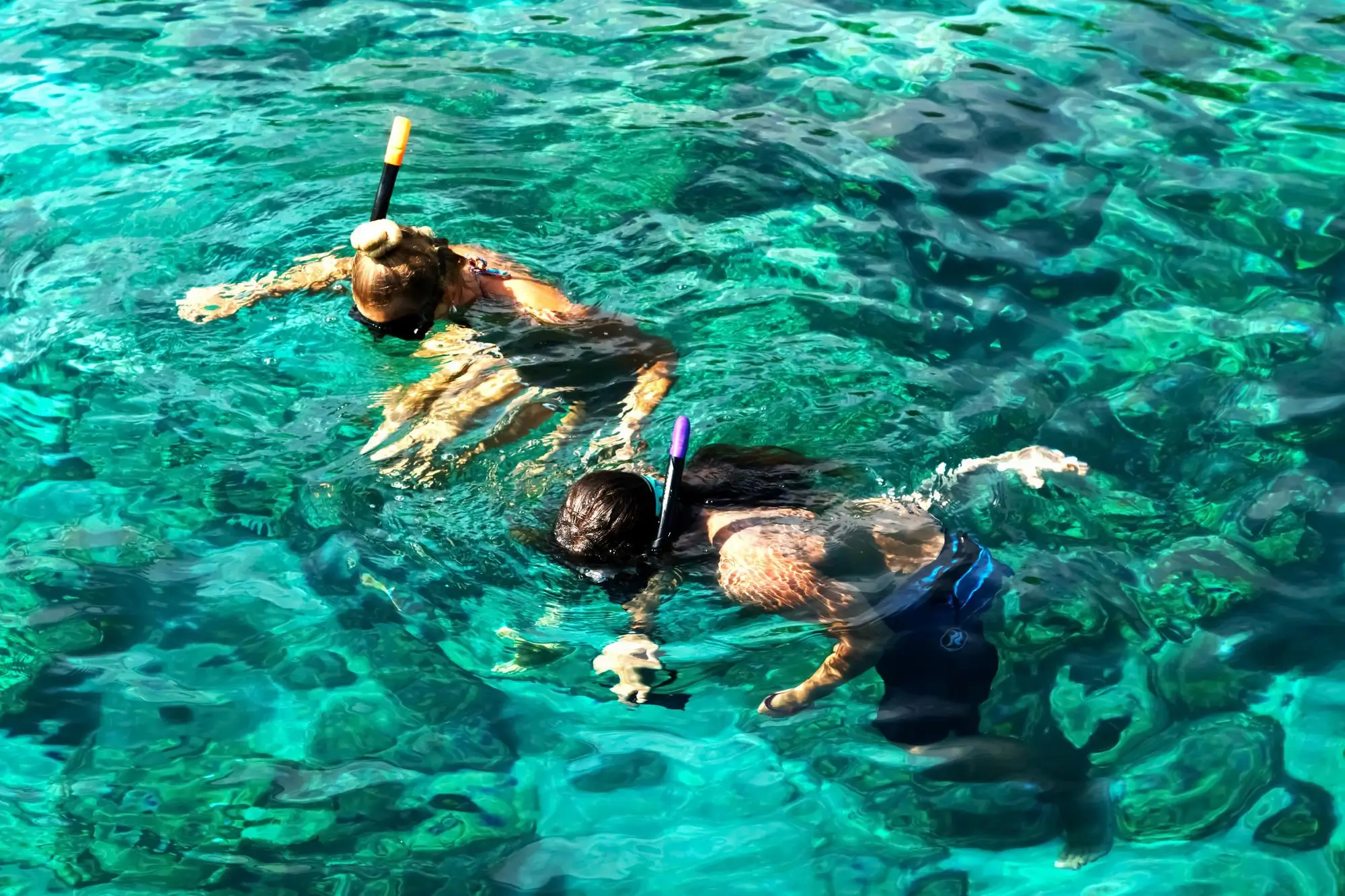
The water here is impossibly clear. The kind of clear that makes you do a double-take when you lean over the side of the boat.
What You Will Actually See Underwater
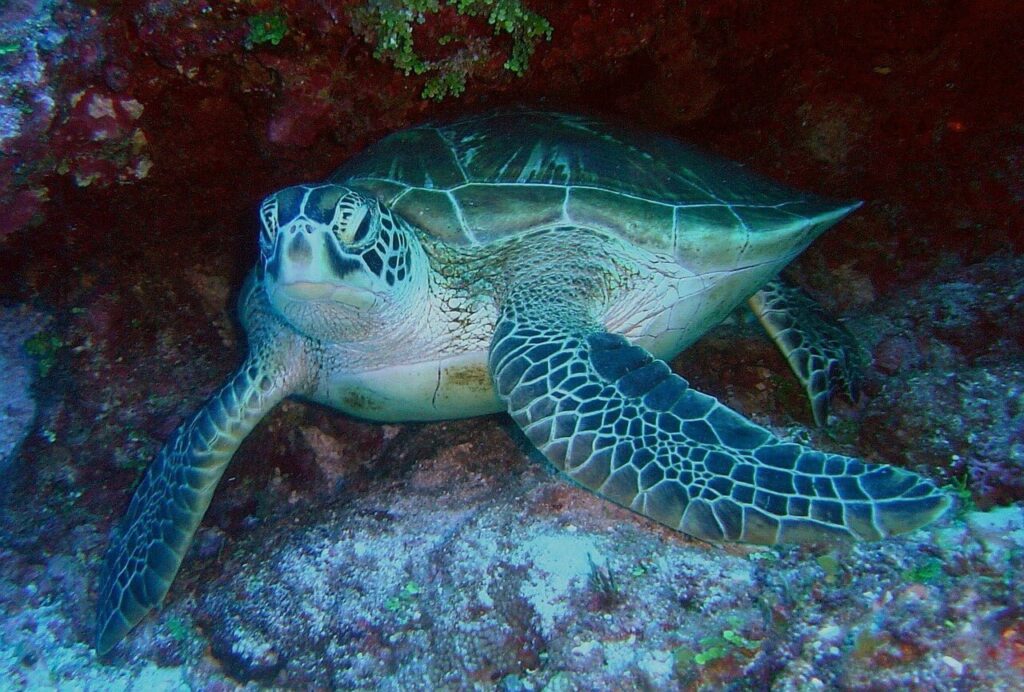
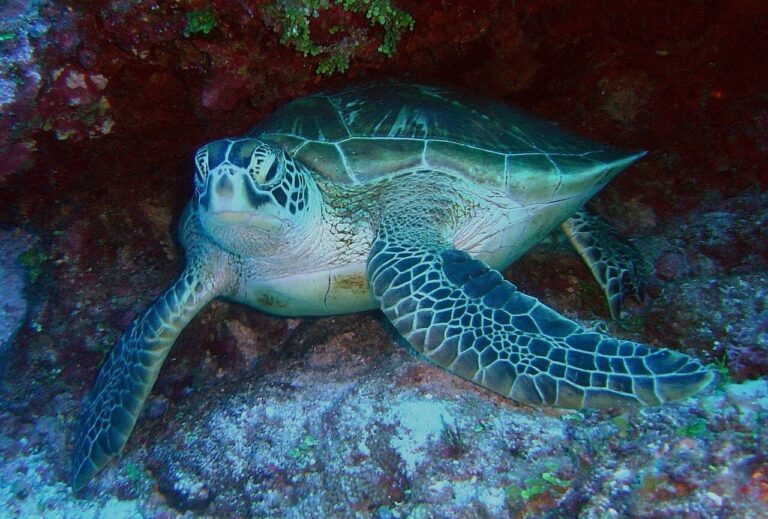
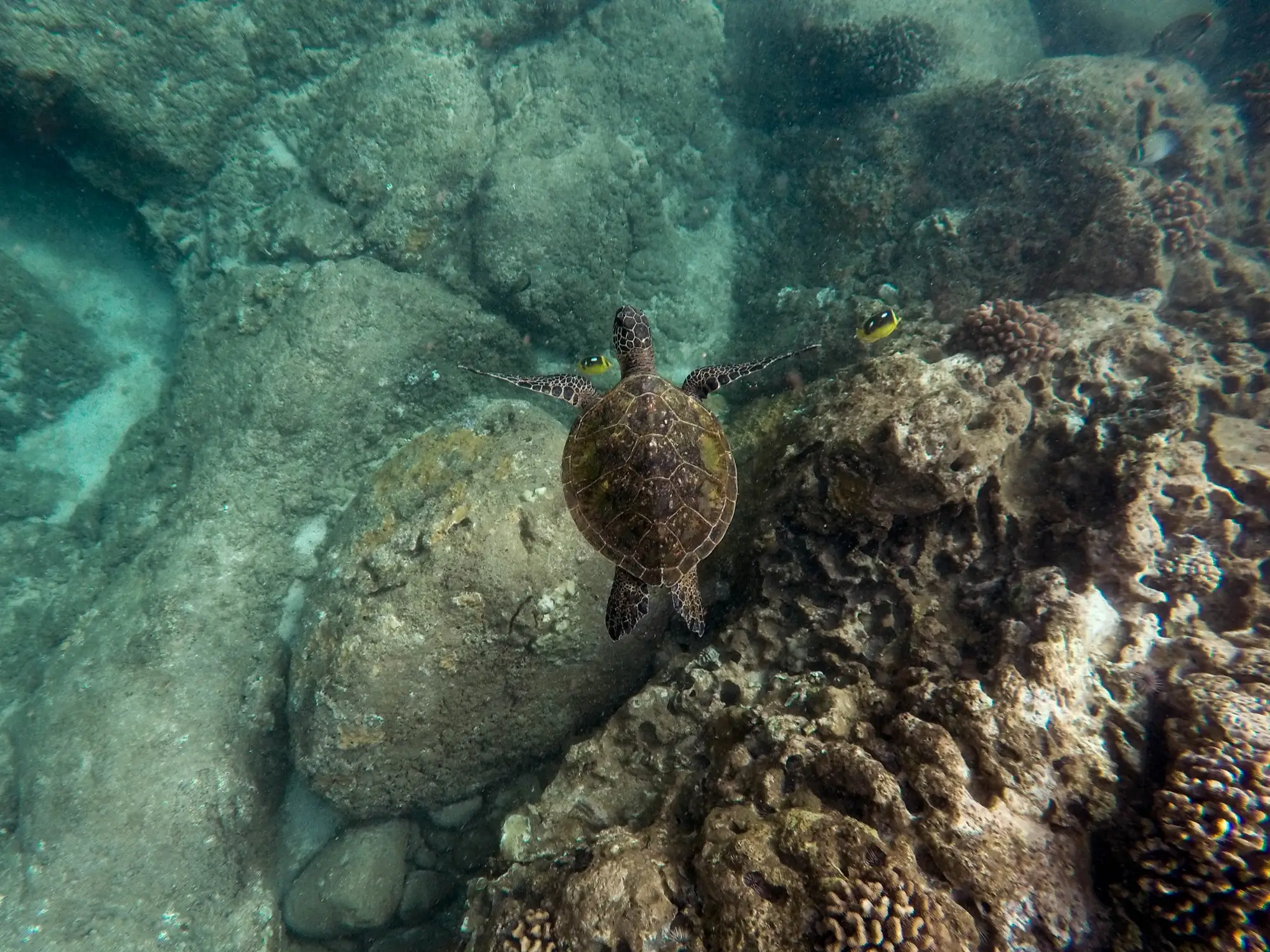
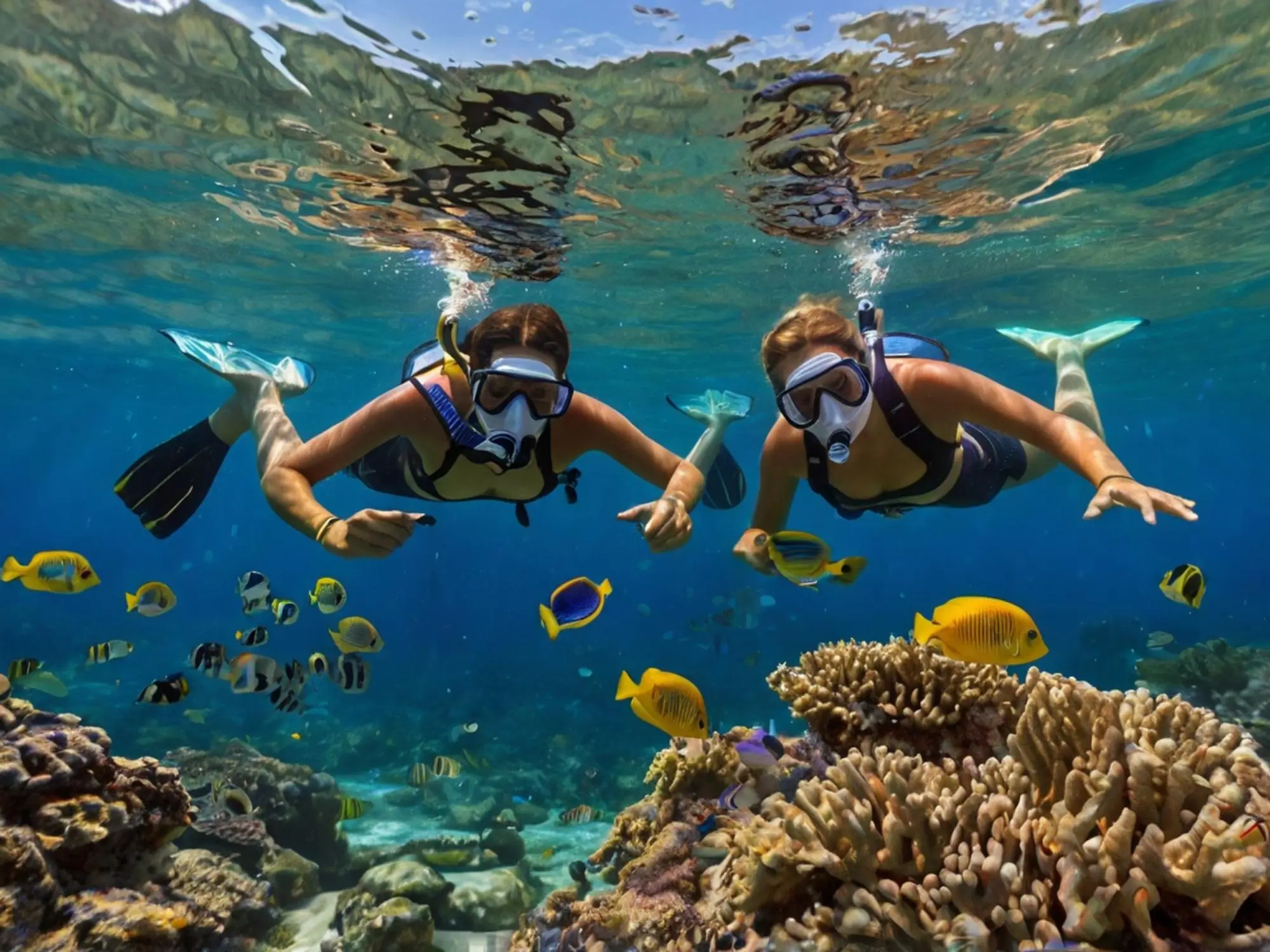
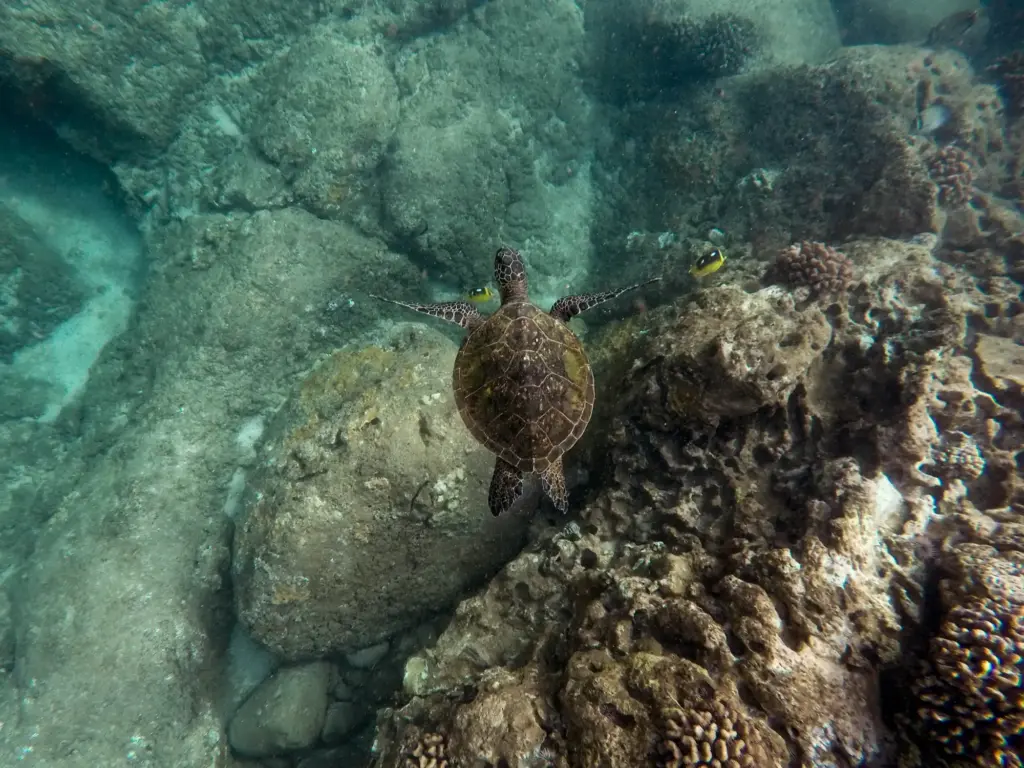
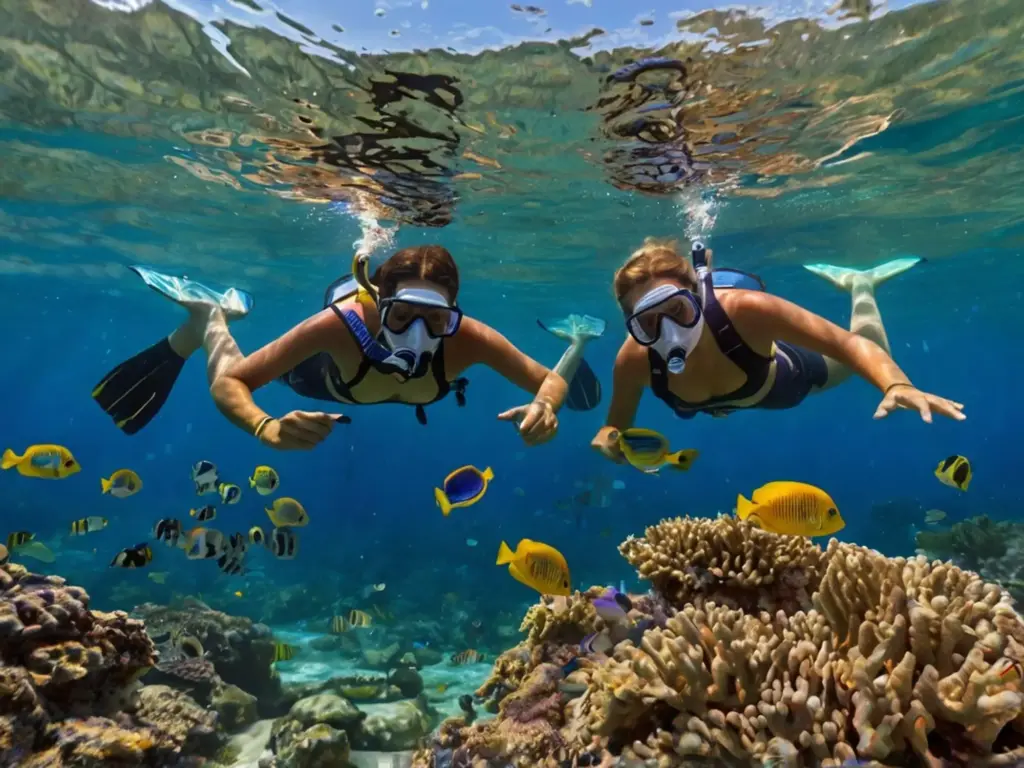
The numbers alone are staggering. Kisite-Mpunguti is home to over 250 recorded fish species, 56 coral genera, and around 70 resident dolphins spanning spinner, humpback, and bottlenose species. On a single snorkel, you might drift over parrotfish nibbling at the reef, watch a moray eel thread itself between coral heads, and find a sea turtle just hanging there, unbothered, like it has nowhere to be.
The coral itself is the foundation of everything. The park features 56 coral genera supporting an extraordinary variety of marine life, including triggerfish, angelfish, butterflyfish, groupers, wrasses, scorpionfish, pufferfish, damselfish, rays, and snappers. Some of the coral formations at Kisite are dense and layered, rising from the sandy floor in formations that look like something an architect designed, with small fish moving in and out of every crevice.
Visibility is usually excellent, especially outside of the long rains between March and May. On a calm day with good light, you can see 15 to 20 metres down with nothing but open blue beyond that.
The Dolphins: Kisite’s Calling Card
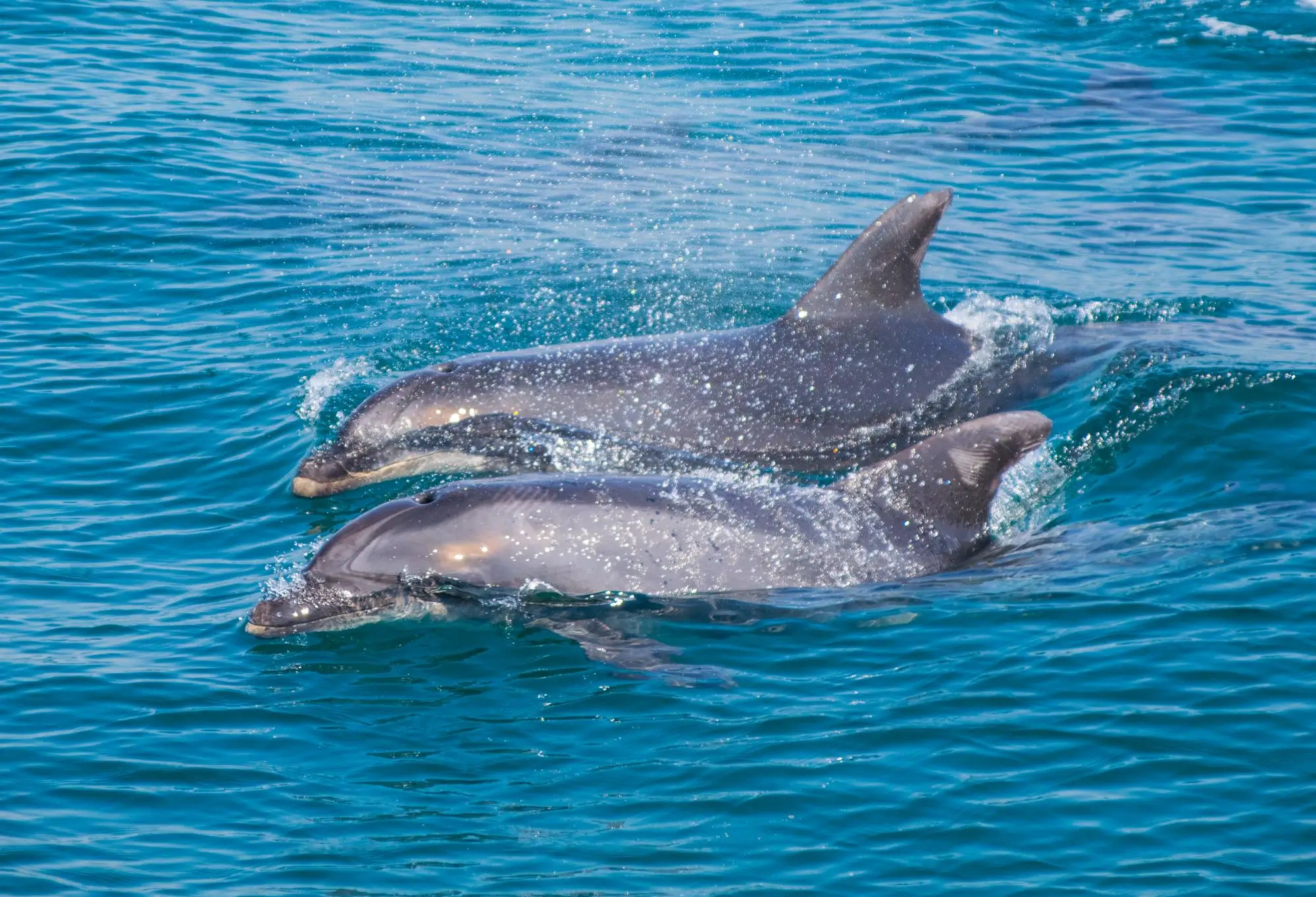
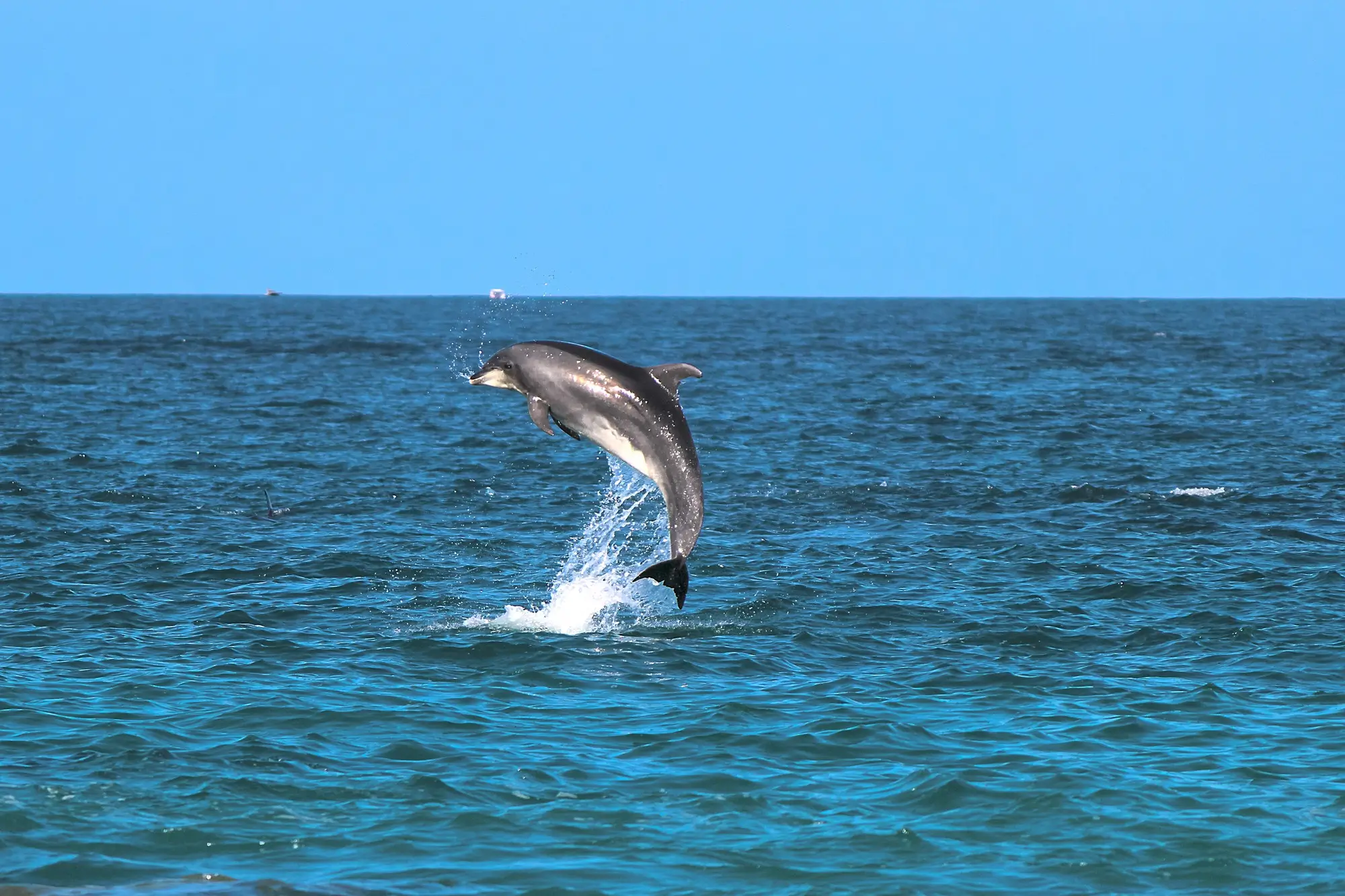
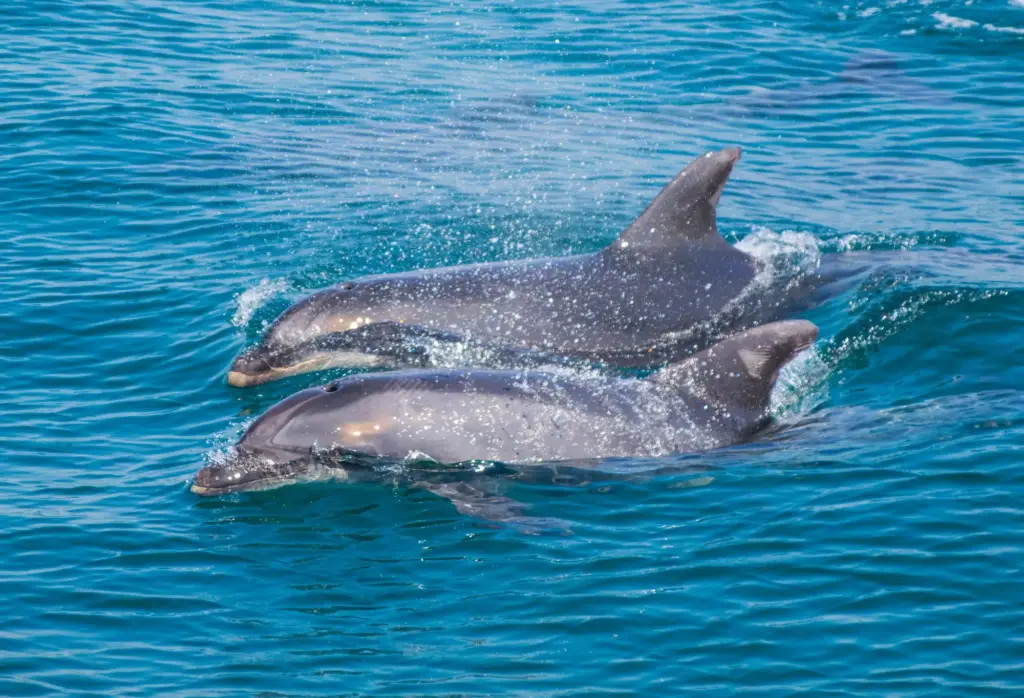
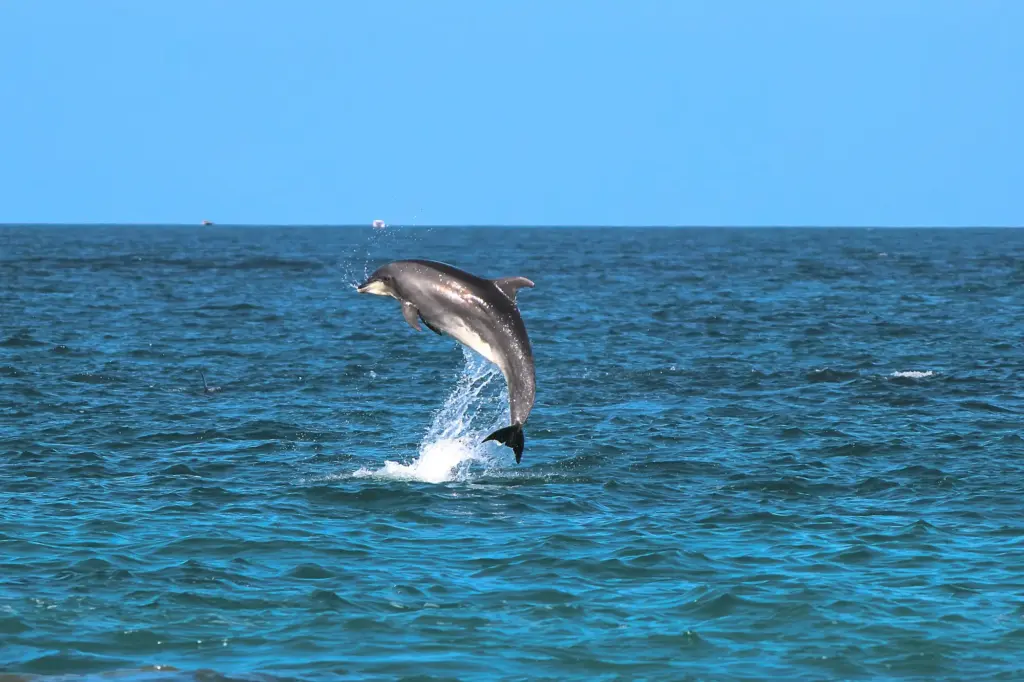
If there is one thing that gets people talking about Kisite-Mpunguti, it is the dolphins. The park is sometimes called the “home of the dolphins,” and that title is earned. The park has over 200 dolphins in residence, and you can encounter them as single individuals or in pods of 2 to 25, breaking above the waves.
Most trips begin in the Shimoni Channel, where guides know the dolphins tend to feed in the early morning. You will hear them before you see them. The boat slows, someone points, and then a fin appears. Then another. Then the whole pod is around you, spinning and leaping alongside the hull while everyone on board scrambles for their cameras and forgets to breathe.
The guides are genuinely experienced at reading dolphin behaviour. When the animals are relaxed and curious, they sometimes allow swimmers to enter the water with them. It is not a guaranteed swim, and nobody forces it, which is exactly the point. The Kenya Wildlife Service and private dhow operators work together to maintain and care for the dolphins sighted within the Wasini Channel and the park. Responsible wildlife tourism is taken seriously here, and it shows in how the animals behave.
Whale Season: July to December
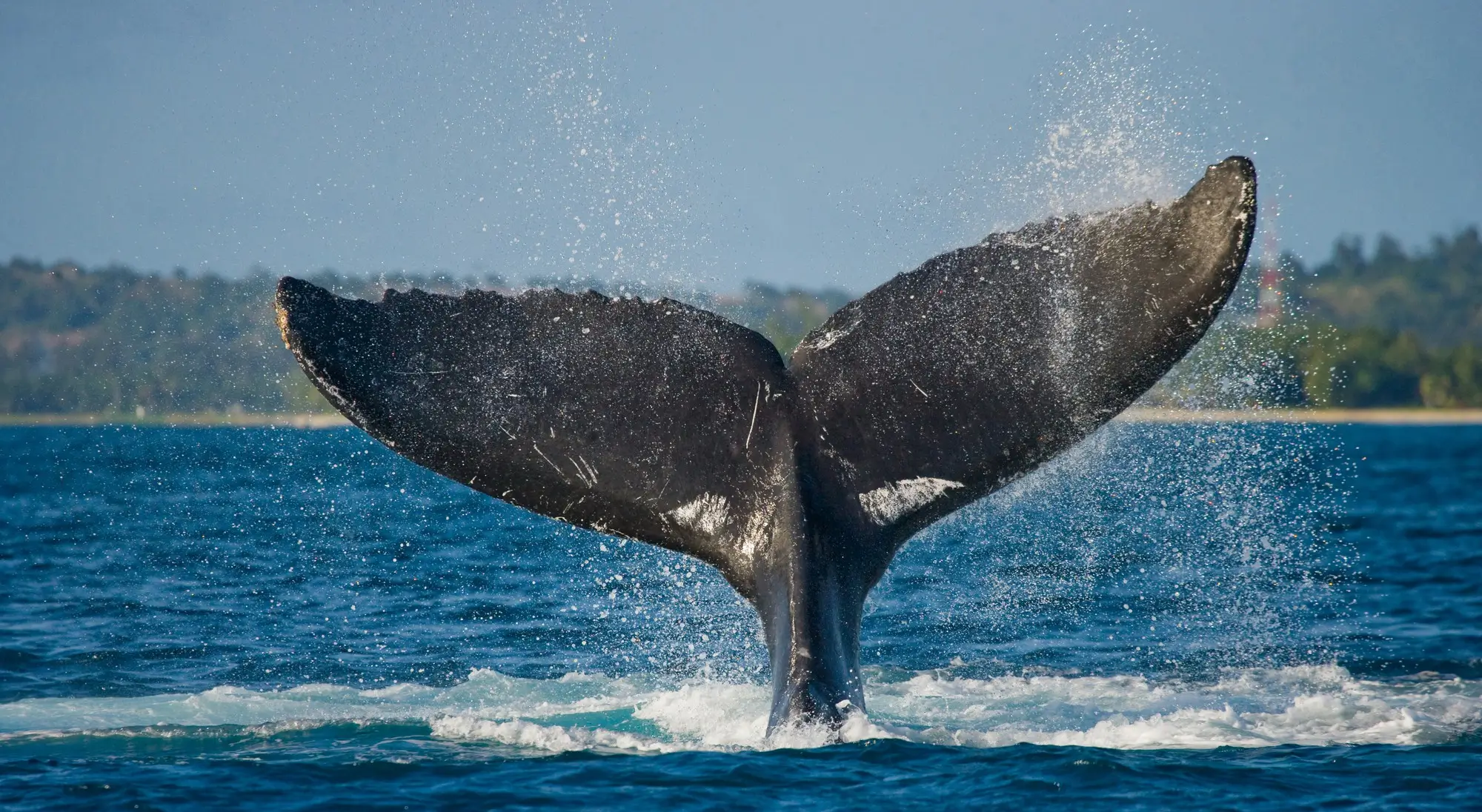
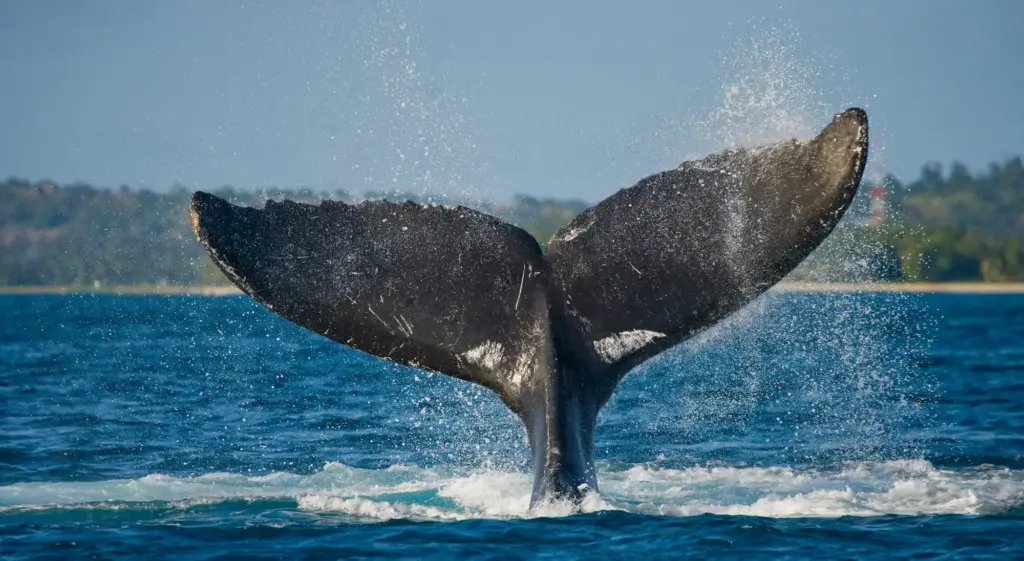
Come between July and December, and the stakes get even higher. Humpback whales raise their calves in these warm waters during this season, and migratory whale sharks, the world’s largest fish, also pass through. Spotting a humpback from a small dhow, close enough to hear it exhale, is the kind of thing that stays with you for years.
Whale sharks are gentler encounters. You drift alongside them in open water, and they simply ignore you, moving at their own slow, prehistoric pace through the blue. Humpback whales are most reliably spotted between July and December, with peak sightings reported from August to October.
The Islands: More Than Just a Backdrop
The park encompasses four small islands, each with its own character.
- Kisite Island is the most ecologically important. It is a flat, treeless rocky outcrop surrounded by a magical sandy beach that is exposed only during low tide, and it serves as an ideal seabird habitat for breeding colonies of roseate and sooty terns that arrive in July and leave with their fledglings by September. The island is listed as an Important Bird Area (IBA), which means the seabird colonies here are globally significant. During the right months, the rock is literally covered in birds.
- The three Mpunguti Islands (Juu, Chini, and Jiwe la Jahazi) are denser and greener, covered in coral rag forest. Mpunguti Chini Island is also home to the rare coconut crab, a remarkable creature that can weigh up to 4 kilograms and has a grip strong enough to crack open a coconut. If you are lucky enough to spot one during a guided walk, it is genuinely unforgettable.
Wasini Island: Where the Day Gets Even Better
Most full-day tours to Kisite-Mpunguti include a stop at Wasini Island, a small, car-free island just 2 kilometres south of Shimoni, where the experience shifts from marine adventure to something more cultural.
Wasini Island is inhabited by the Wavumba people, known for their hospitality. Visitors can explore the island’s villages, walk along coral pathways, and engage with locals to learn about their way of life. The island’s lack of vehicles and reliance on footpaths and boats add to its charm.
Lunch at Wasini is a serious event. Fresh crab, fish, coconut rice, and traditional coastal flavours make the meal memorable, and the food is prepared by local women using recipes unchanged for generations. You eat under a thatched roof with the ocean right there, warm and blue, while the tour boats rock gently in the channel.
There is also a Coral Garden on the island, where you can walk among exposed coral formations at low tide. It is oddly beautiful in a lunar sort of way, and a good contrast to the underwater world you spent the morning exploring.
The Shimoni Slave Caves: History You Should Not Skip
Before or after the marine experience, most visitors make time for the Shimoni Slave Caves on the mainland pier. The caves are where enslaved people were held before being loaded onto boats and shipped to Zanzibar. The tour takes about 30 minutes and is run as a community project, with proceeds supporting local schools, the dispensary, and other community needs.
The cave tours are a community-run project with all proceeds supporting several local initiatives, including sponsoring students, buying medicine for the local dispensary, and paying teacher salaries.
It is sobering, and appropriately so. The guides are knowledgeable, and the history is presented honestly. Given that you are spending the day in what feels like paradise, spending half an hour with this history feels like the right thing to do.
Things to Do at Kisite-Mpunguti
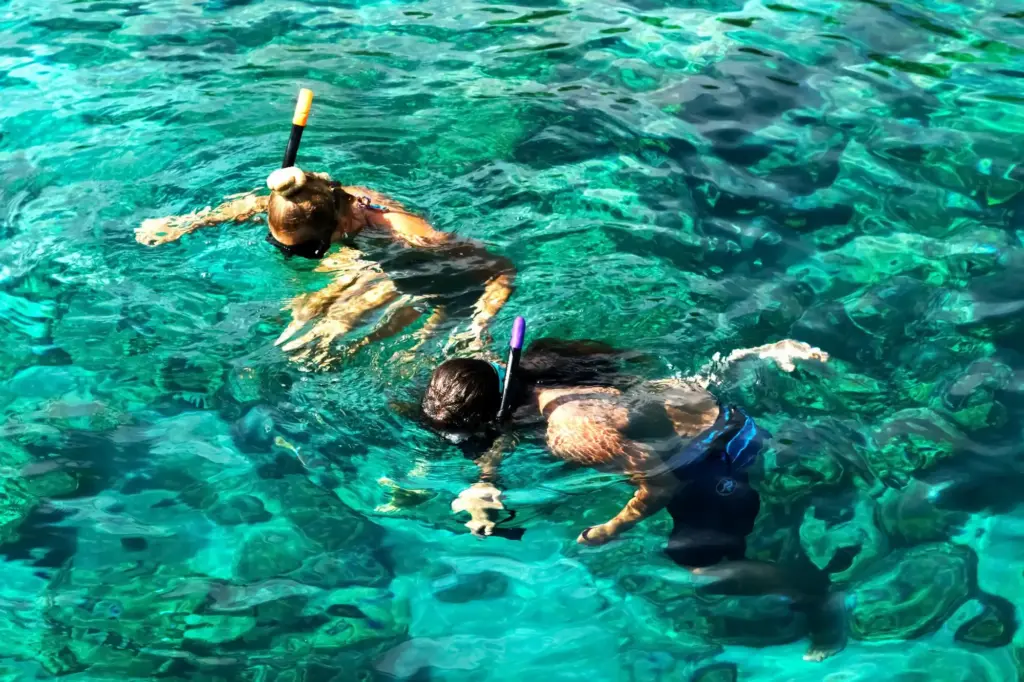
- Snorkelling is the most popular and accessible activity. Equipment is available through your tour operator, and the reefs begin in shallow enough water that even nervous swimmers can comfortably enjoy them.
- Scuba diving takes you deeper into the reef systems. Scuba diving centres, including Pilli Pippa and Paradise Divers, operate within and outside the protected marine areas at Kisite-Mpunguti. For certified divers, the deeper walls and channels are some of the best diving on the East African coast.
- Dhow sailing is how most people get around the park, and the experience of being on a traditional wooden sailing vessel with the Indian Ocean all around you is worth the trip on its own.
- Bird watching is especially rewarding between July and September when the seabird colonies are at peak activity.
- Deep-sea fishing is available for those who want to try their luck in the Pemba Channel, renowned for game fish such as marlin and sailfish.
- Guided island walks can be arranged through the Kenya Wildlife Service for those who want to explore Mpunguti’s forest trails and look for coconut crabs.
How to Get to Kisite-Mpunguti
- From Mombasa: Drive south along the coastal road for approximately 90 kilometres to Shimoni. The road passes through coastal villages and palm-fringed landscapes and takes about two hours. From Shimoni Pier, you board a dhow or motorboat to the park.
- From Diani Beach: Diani is the most popular base for trips to Kisite. Packages from Diani often include transport, the boat, snorkelling, and lunch. The boat boarding area is about an hour’s drive from Diani.
- From Nairobi: You can fly from JKIA or Wilson Airport to Moi International Airport in Mombasa or to Ukunda Airstrip, then continue by road to Shimoni. Alternatively, the Standard Gauge Railway (SGR) runs from Nairobi’s Syokimau terminus to Mombasa’s Miritini terminus.
The park is only accessible by boat and is open year-round from 6 am to 6 pm.
When to Visit
The dry season from July through September is the most popular period. December to February also offers clear skies, warm days, and good visibility. Visitors wanting to avoid crowds might consider late October, early November, or June, when fewer boats are present.
Avoid March through May if possible, when the long rains reduce visibility and can make boat trips uncomfortable.
July to December is whale season, making it the best overall window if you want the full range of what Kisite-Mpunguti has to offer.
Practical Information
- Park entrance fees: Managed by the Kenya Wildlife Service, they vary for residents and non-residents. Most tour operators include the park fee in their package price, so confirm this when booking.
- Tours: Full-day tours from Diani or Mombasa are the most practical option and typically include transport, a dhow, snorkelling equipment, dolphin spotting, a stop at Wasini Island, and a seafood lunch.
- What to bring: High-SPF sunscreen (reef-safe where possible), a rash vest or light wetsuit if you burn easily, a waterproof bag for your phone, sea-sickness tablets if you are prone, and cash for tipping guides.
- Health: Take anti-malarial precautions before visiting the coast, and ensure your routine vaccinations are up to date.
- Accommodation: Most visitors base themselves in Diani Beach or Mombasa. KWS also offers modest self-catering accommodation within the park for those who want to stay closer to the reserve. For more comfort, Diani has a wide range of boutique hotels and beach resorts.
Why Kisite-Mpunguti Stands Apart
There are plenty of places in Kenya where you can snorkel a reef. What makes Kisite-Mpunguti different is the combination of things you get in a single day: dolphins in their natural habitat, world-class reef snorkelling, a functioning Swahili island community, honest historical engagement with the slave trade, fresh seafood cooked by the people who live here, and enough peace and quiet to actually hear yourself think.
The south coast has none of the crowds of the northern beaches. Shimoni is a working fishing village, not a resort town. The dhow captains grew up on this water. The women cooking your lunch at Wasini learned from their mothers.
What many visitors notice most is how peaceful it feels. No crowds. Just the sound of waves and the beauty of nature.
That is harder to find than you might think.
Kisite-Mpunguti Marine National Park is managed by the Kenya Wildlife Service (KWS). For the most current entrance fees, accommodation bookings, and conservation updates, visit kws.go.ke.