Most people think they know Kenya: the Maasai Mara, the wildebeest migration, safari jeeps, sundowners, and red-robed Maasai warriors. And to be fair, all of it lives up to the hype.
But Kenya doesn’t stop there. Not even close.
This is a country where 42 communities share one landscape, where you can swim through glowing, bioluminescent waters along the coast, where elephants disappear into caves to mine salt in total darkness, and where distance running isn’t just a sport, it’s a legacy that has shaped global records for decades.
From the floor of the Great Rift Valley to the plains of Amboseli National Park, Kenya keeps unfolding the deeper you go. It’s not one experience, it’s many, layered into a single country.
So, whether you’re here for the wildlife, the landscapes, or just the kind of facts that make you stop and say “wait, what?”, here are 23 facts about Kenya, backed by the latest insights from 2024 to 2026, that tell the fuller story.
- Kenya at a Glance
- Home to the Greatest Wildlife Show on Earth
- Beyond the Big Five: A Wilderness Without End
- The Cradle of Mankind: Where Our Story Began
- Record-Breaking Tourism: A New Era for Travel
- Voted the World’s Friendliest Country in 2025
- Home to the First African Woman to Win a Nobel Peace Prize
- The Undisputed World Capital of Marathon Running
- Kenya has 8 UNESCO World Heritage Sites
- A Birdwatcher’s Paradise
- The Jade Sea: The World’s Largest Desert Lake
- World-Class Coffee and Tea
- The Salt-Mining Elephants of Kitum Cave
- Pink Horizons: Home to 75% of the World’s Lesser Flamingos
- Glaciers on the Equator: The Magic of Mount Kenya
- Kenya’s National Symbols and What They Represent
- From Desert to Coast: Kenya’s Six Ecosystems
- A Cultural Mosaic: 42+ Communities and 60 Languages
- Leading the Green Revolution: 90% Renewable Energy
- Silicon Savannah: Africa’s Tech and Innovation Hub
- The “Singing Wells” of the Samburu
- Bioluminescent Waters: Kenya’s Glowing Coast
- The Physics-Defying “Gravity Hill” of Machakos
- A 72-Hour Tree Hug: The 2026 Guinness World Record
- Conclusion: So, When Are You Going?
Kenya at a Glance
- Full name: Republic of Kenya
- Old name: British Kenya
- Capital city: Nairobi
- Languages: English and Swahili
- Population: Approx. 54 million
- Currency: Kenyan shilling (KES)
- Independence Day: Jamhuri Day, 12 December
- National animal: East African lion
- National bird: Lilac-breasted roller
- National flower: Tropical Orchid
- Time zone: EAT (UTC+3)
- Known for: The world’s best safari destination
- Home to the Greatest Wildlife Show on Earth
Every year, over 2 million wildebeest, zebras, and gazelles make an 800-kilometre journey from Tanzania’s Serengeti into Kenya’s Maasai Mara. It is the largest overland animal migration on the planet. At peak density, the columns are so thick they can be seen from space.
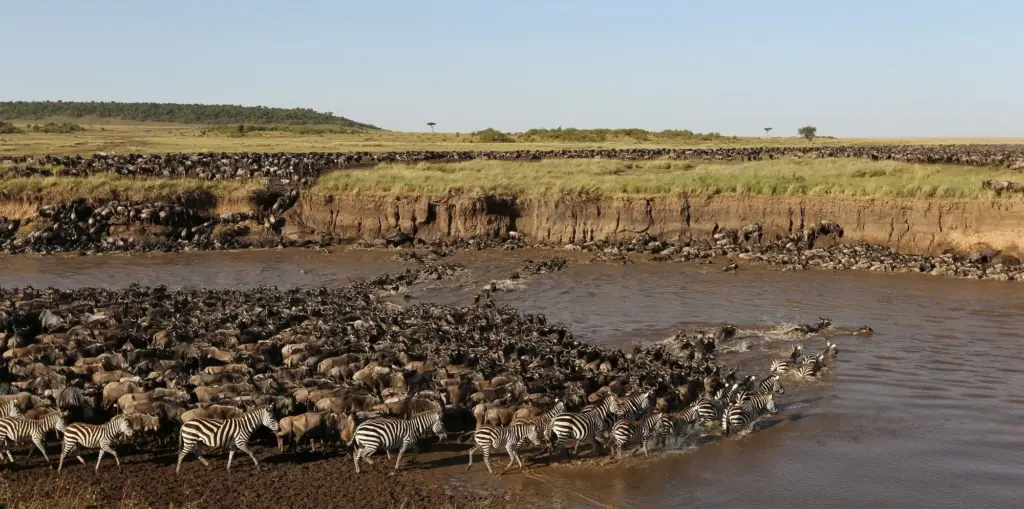
The Mara River crossing is the moment everyone comes for. Thousands of wildebeest hurl themselves into fast-moving water where more than 3,000 Nile crocodiles are waiting. It sounds brutal, and it is. It is also one of the most spectacular things a human being can witness. The best window is July through October.
2 million+ animals in the Great Migration each year, travelling a clockwise loop across Kenya and Tanzania in search of rain and fresh grass.
- Beyond the Big Five: A Wilderness Without End
The Maasai Mara is one of the few places on Earth where you can see lions, leopards, elephants, buffalo, and rhinos in a single morning game drive. But the Mara does not stop at five. It also holds some of the highest big-cat densities in Africa, along with cheetah, wild dog, hippo, giraffe, and hyena in serious numbers.
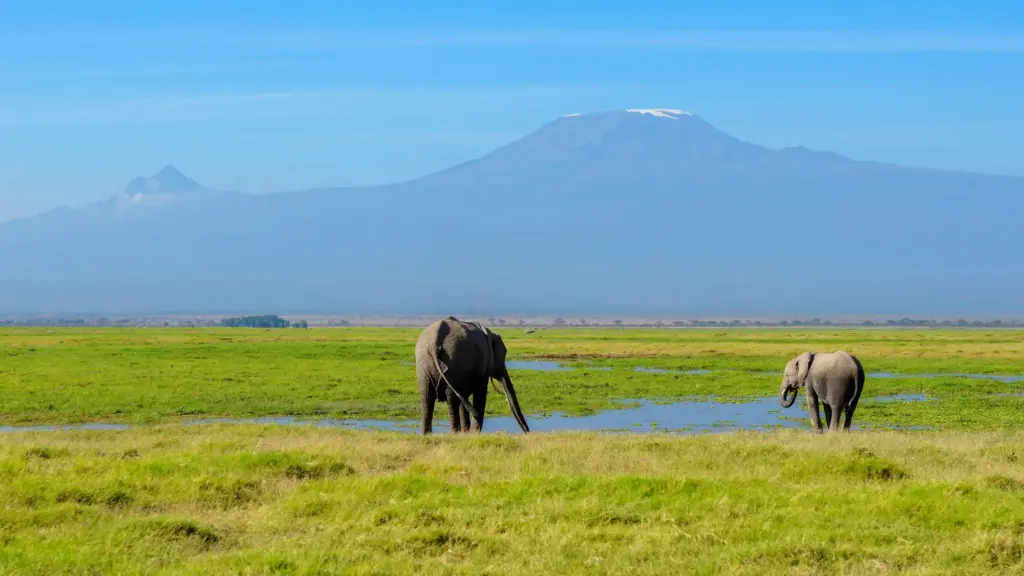
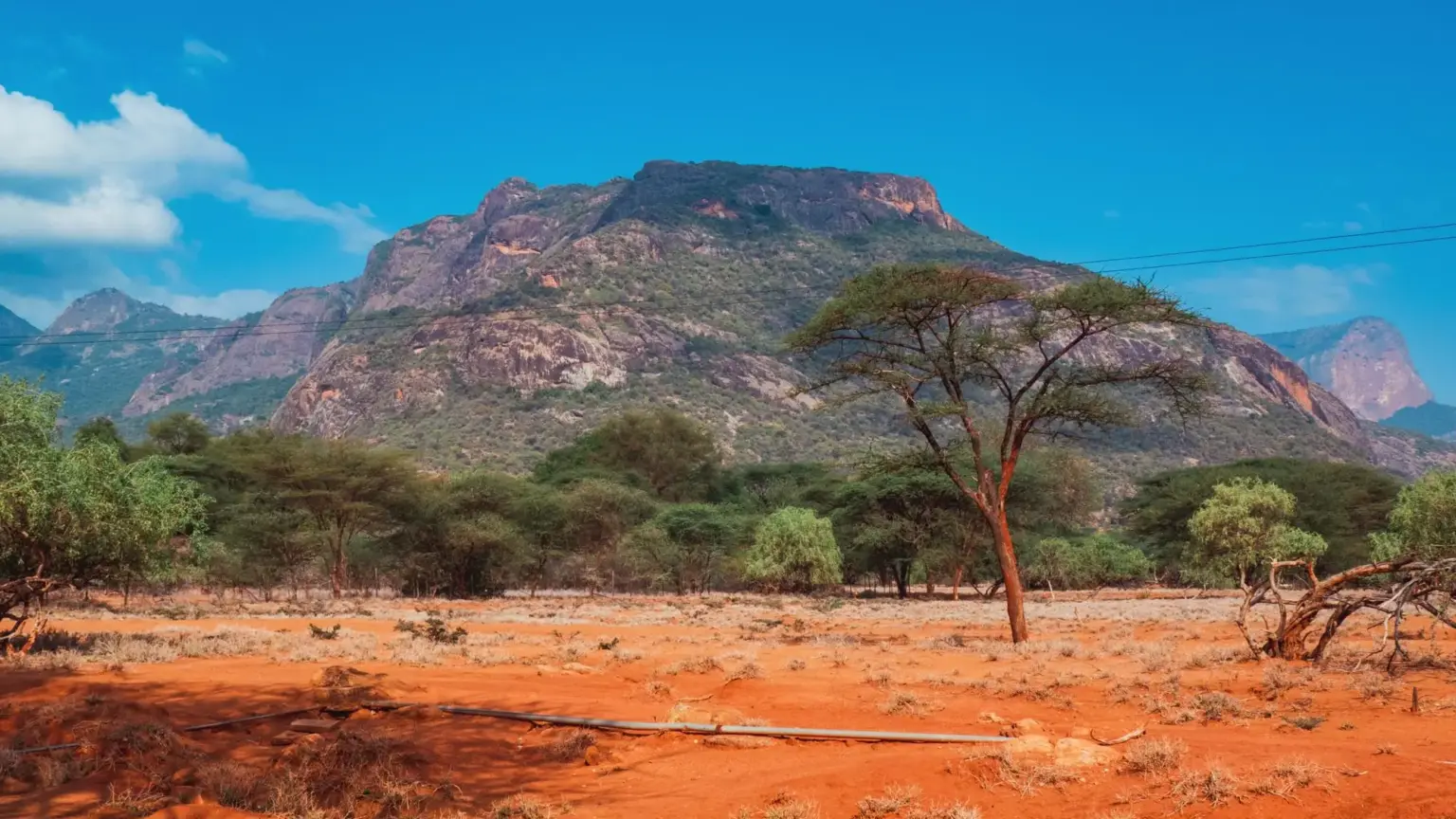
Kenya has more than 50 national parks and reserves, covering over 8% of the country. Amboseli gives you elephants with Kilimanjaro in the background. Samburu is home to species found nowhere else in Kenya. Tsavo is a raw, red-earthed wilderness that barely feels touched. Every park feels like a completely different country.
- The Cradle of Mankind: Where Our Story Began
Some of the oldest human fossils ever discovered were found in Kenya. The Koobi Fora site on the eastern shore of Lake Turkana has yielded fossil remains dating back over 2 million years, making it one of the most important sites in the story of human evolution. Scientists believe this is the region where early humans first walked upright.
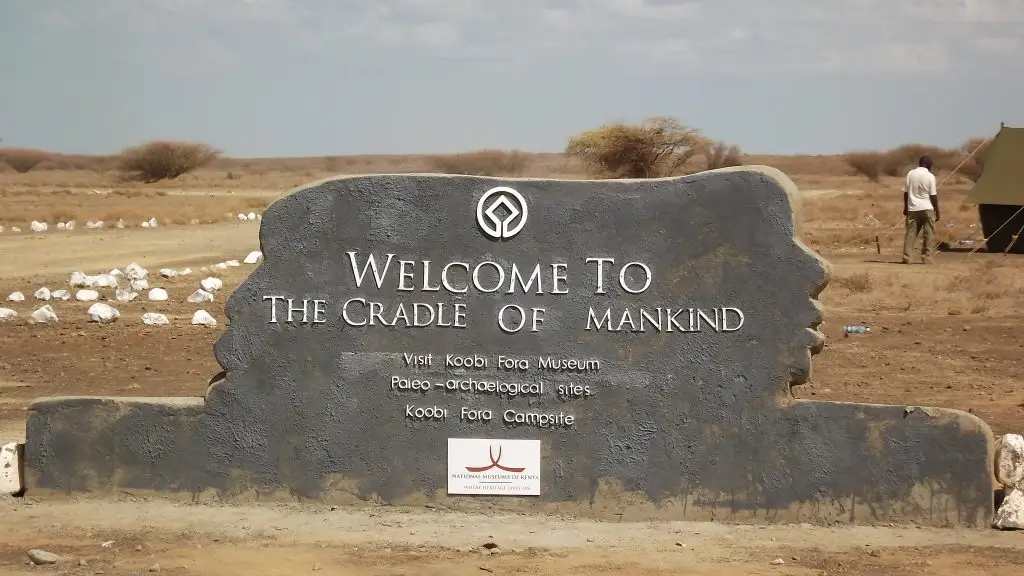
In simple terms: when you stand on Kenyan soil, you are standing where the human story began. That is not a metaphor. It is what the fossil record says, and it is why the Kenyan coast of Lake Turkana is often called the Cradle of Mankind.
The Koobi Fora deposits have contributed more to the understanding of human evolution than almost any other site on the African continent.
- Record-Breaking Tourism: A New Era for Travel
The Kenya Tourism Sector Performance Report 2025, released in April 2026, confirmed that in 2025, Kenya welcomed a total of 7.9 million visitors, comprising 2.7 million international arrivals and 5.2 million domestic travellers. The number of international arrivals increased by 9%, more than double the global tourism average growth rate of 4% for that year. Tourism revenue reached Ksh 500 billion ($3.84 billion), a 10% increase from Ksh 452 billion in 2024.
The US remained the top source market, accounting for 47% of international arrivals, followed by Africa at 25%. Tourism supports 1.7 million jobs, nearly one in every 12 in the country, and contributes over 7% of GDP. This is Kenya’s fifth consecutive year of revenue growth since the pandemic hit. The numbers are moving in one direction.
- Voted the World’s Friendliest Country in 2025
In the 2025 Condé Nast Traveller Readers’ Choice Awards, voted by hundreds of thousands of international travellers, Kenya topped the global list of the world’s friendliest countries, scoring 98.46 out of 100. It beat out Thailand, Mexico, Mauritius, Bhutan, and Vietnam. Every country in the top 10 scored above 96%, indicating how high the bar was. Kenya still came first.
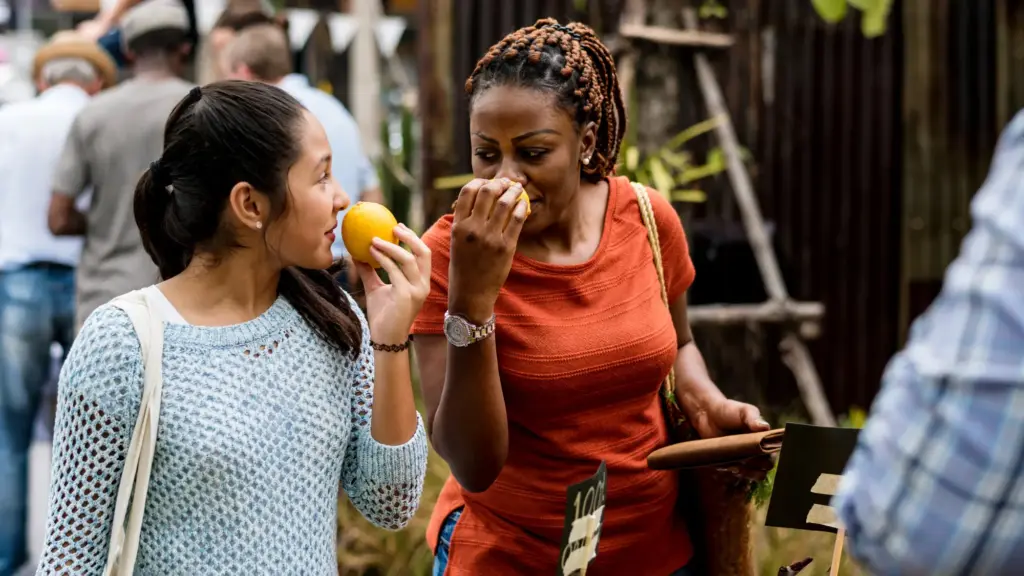
Condé Nast specifically credited Kenya’s safari guides, saying that behind every great safari is a guide who makes visitors feel completely at ease, even when meters away from a prowling lion. Kenya was also named one of the Most Desirable Destinations for Nature and Wildlife at the 2025 Wanderlust Reader Travel Awards. Two global reader-voted titles in one year are not a coincidence; they are a pattern.
- Home to the First African Woman to Win a Nobel Peace Prize
In 2004, Wangari Maathai became the first African woman to receive the Nobel Peace Prize, recognised for her work in sustainable development, democracy, and women’s rights. She grew up in rural Nyeri County and went on to become the first woman in East and Central Africa to earn a doctorate.
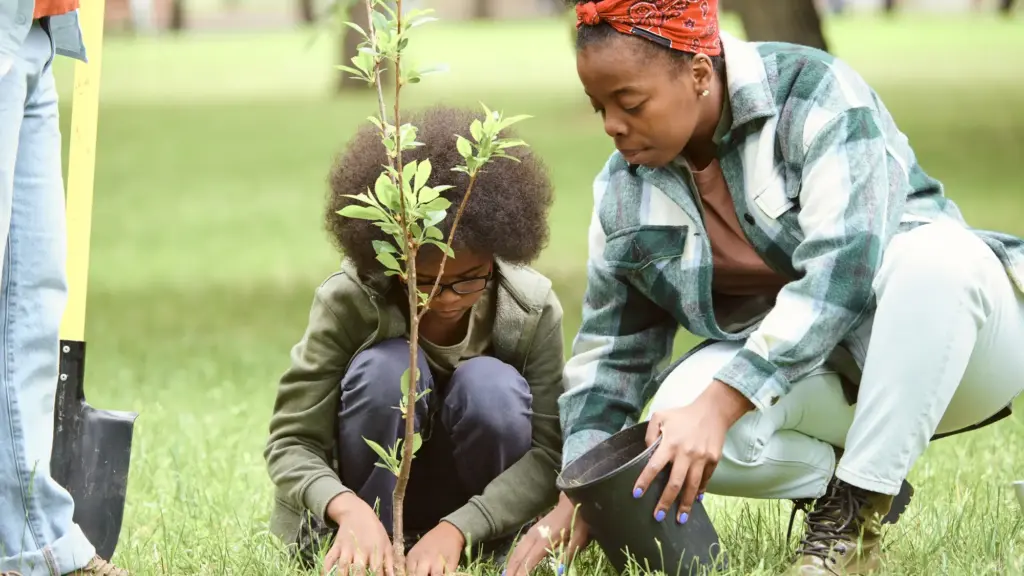
She founded the Green Belt Movement in 1977, mobilising thousands of Kenyan women to plant trees to stop deforestation and restore livelihoods. By the time she died in 2011, the movement had planted over 51 million trees. She also served in parliament and was elected with 98% of the vote. Kenya produced one of the most remarkable human beings of the 20th century, and not enough people know her name.
- The Undisputed World Capital of Marathon Running
Eliud Kipchoge is a three-time Olympic marathon champion (Rio 2016, Tokyo 2020, Paris 2024) and holds four of the ten fastest marathon times in history. In 2019, he ran a marathon in 1:59:40 in Vienna, becoming the first person to cover that distance in under 2 hours.
Kelvin Kiptum set the official world record at the 2023 Chicago Marathon with 2:00:35, the fastest legally ratified marathon ever run. Both men trained at high-altitude camps in Kenya’s Rift Valley. The town of Iten, sitting at 2,400 meters elevation, now attracts elite runners from around the world who come to train where the greatest runners in history learned to run.
- Kenya has 8 UNESCO World Heritage Sites
In July 2024, Kenya added its 8th UNESCO World Heritage Site when the Historic Town and Archaeological Site of Gedi was officially inscribed. Gedi is a 13th-century Swahili trading town on the coast, abandoned in the 17th century for reasons historians still debate, and now one of the most striking ruins in East Africa.
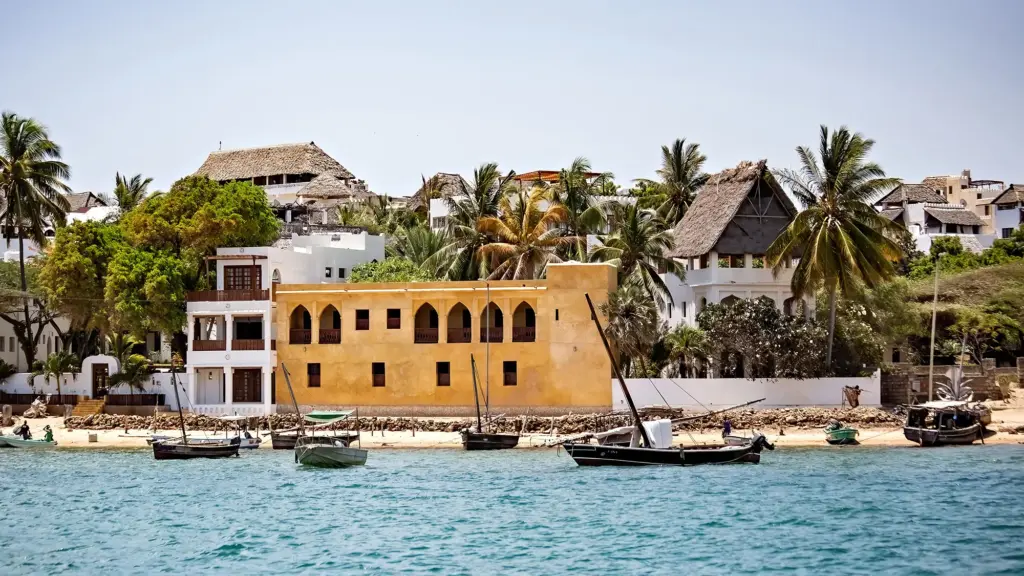
The full list spans Lamu Old Town (the oldest preserved Swahili settlement in East Africa), Fort Jesus in Mombasa, the Sacred Mijikenda Kaya Forests, Lake Turkana National Parks, Mount Kenya National Park, the Kenya Lake System in the Great Rift Valley, and Thimlich Ohinga. Five cultural, three natural, all in one country.
- A Birdwatcher’s Paradise
As of October 2024, Kenya’s confirmed bird species count stands at 1,164. The continental USA, roughly 15 times the size of Kenya, has fewer recorded bird species (914). On the African continent, only the Democratic Republic of Congo and Tanzania rank higher, and both are significantly harder for visitors to travel in.
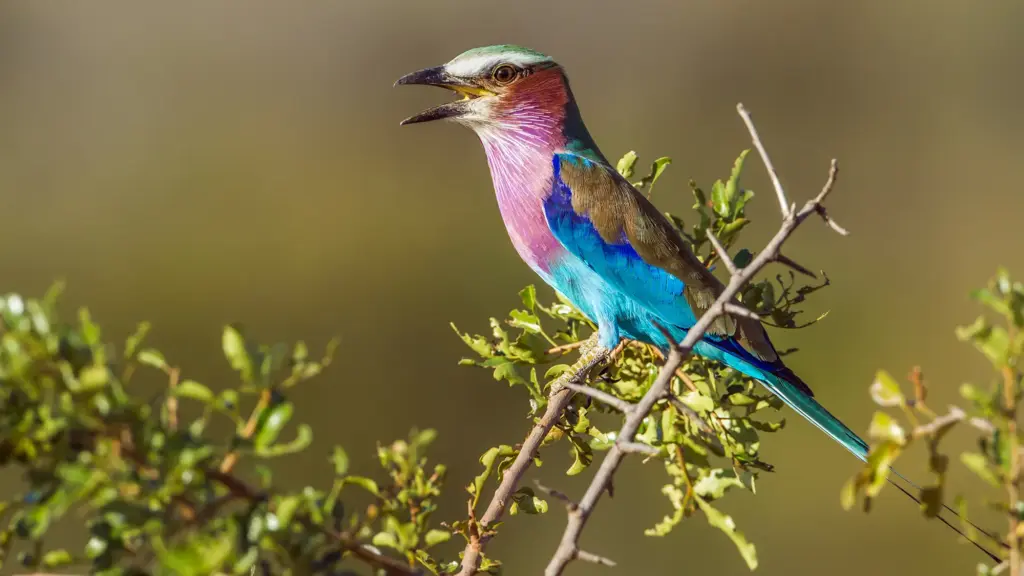
Kenya also has 11 bird species found nowhere else on Earth. The lilac-breasted roller, Kenya’s national bird, is one of the most photographed birds in Africa. Kakamega Forest alone has recorded over 400 species, including 16 birds found nowhere else in Kenya, such as the spectacular Great Blue Turaco. For serious birders, a trip to Kenya is a genuine once-in-a-decade moment.
- The Jade Sea: The World’s Largest Desert Lake
Lake Turkana is the largest desert lake on Earth and the world’s largest alkaline lake, covering over 6,400 square kilometres in Kenya’s remote north. Its water appears turquoise and blue-green because of the algae in the alkaline water, which is why locals call it the Jade Sea.
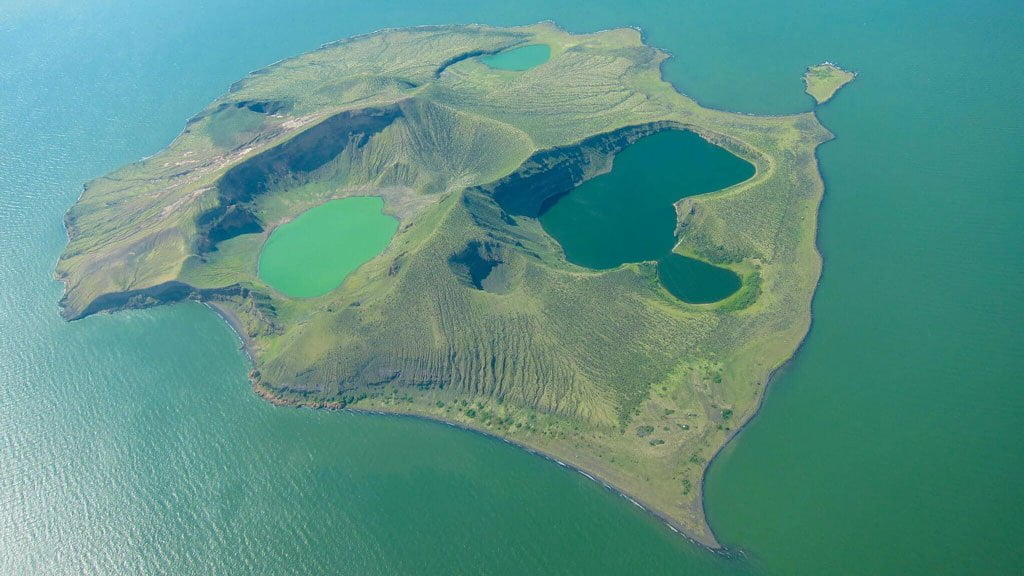
The lake is home to the world’s largest population of Nile crocodiles and supports 60 freshwater fish species, seven of which are found nowhere else. Its shores were also where many of Kenya’s most important fossils of human evolution were discovered, linking this extraordinary lake to the story of the entire human race.
- World-Class Coffee and Tea
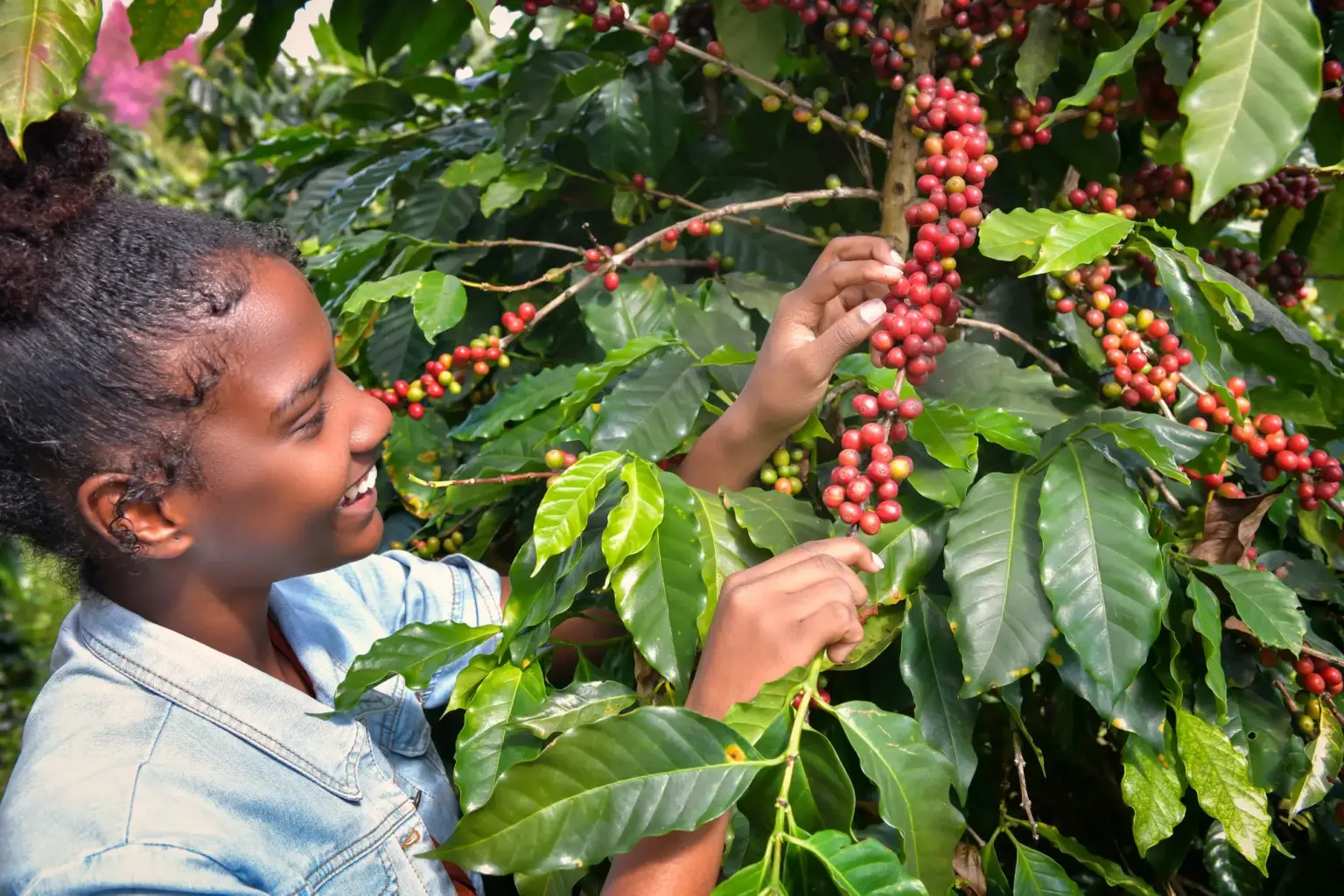
Kenya produces some of the world’s most prized Arabica coffee, grown on the fertile highland slopes around Mount Kenya and the Aberdare Range. In 2024, coffee exports rose by 12% to reach 53,519 tonnes, earning the country KSh 38.4 billion. Speciality buyers from Europe, the US, Japan, and South Korea compete for Kenya’s top AA-grade beans, which are usually sold at premium prices.
Kenya is also the third-largest tea exporter in the world, and its cut flower industry supplies a significant share of Europe’s fresh flowers year-round. Tea, coffee, and cut flowers together form the backbone of Kenya’s agricultural exports, all grown by smallholder farmers on highland soil that the altitude and rainfall make world-class.
- The Salt-Mining Elephants of Kitum Cave
On the slopes of Mount Elgon, near the Kenya-Uganda border, a world-first biological wonder occurs inside Kitum Cave.
At night, wild elephants disappear into the darkness, moving deep into the cave’s 160-meter tunnels. Using their tusks, they chip away at the rock walls to extract mineral-rich salts. They navigate the pitch-black interior with precision, guided by memory and instinct.
This is not random behaviour. It is learned, passed down through generations, and documented nowhere else on the planet. And they are not alone. Buffalo, bushbuck, and even hyenas follow, drawn by the exposed salt deposits left behind by the elephants.
The elephants of Mount Elgon have been using Kitum Cave for so long that scientists believe they may have carved significant parts of it themselves over thousands of years.
- Pink Horizons: Home to 75% of the World’s Lesser Flamingos
Three soda lakes, Nakuru, Bogoria, and Elementaita, together support roughly 75% of the global lesser flamingo population. When conditions are right, the density of birds turns the entire shoreline pink. You can see it from kilometres away. All three lakes are part of a single UNESCO World Heritage Site.
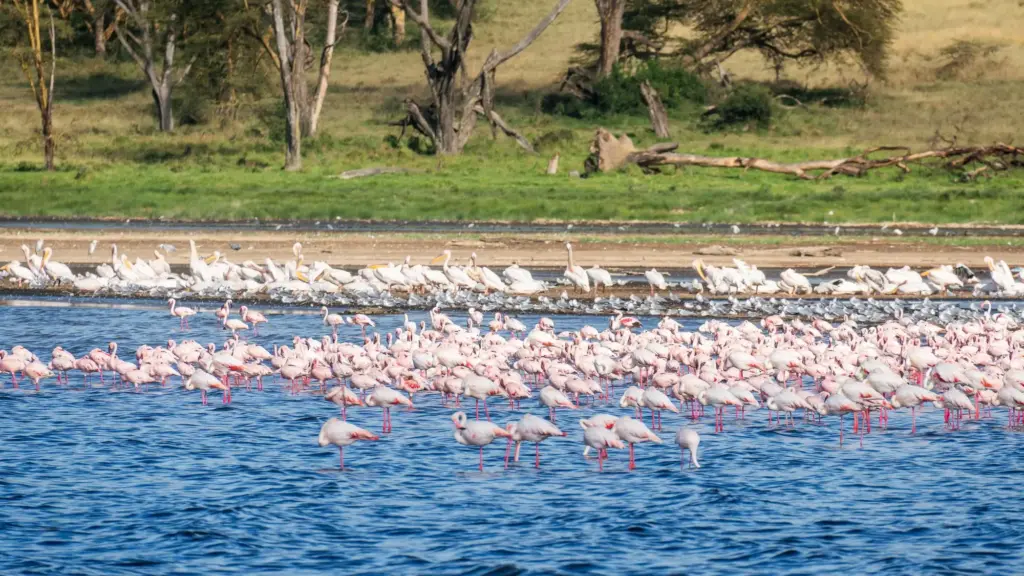
Lake Nakuru alone has recorded over 450 bird species, hosts both black and white rhinos in a fenced sanctuary, and is home to Rothschild’s giraffes, one of the rarest giraffe subspecies in the world. Kenya often gets credited only for the Mara. The Rift Valley lakes deserve far more attention.
- Glaciers on the Equator: The Magic of Mount Kenya
Mount Kenya rises to 5,199 meters and sits almost exactly on the equator. It is Africa’s second-highest peak and is home to 12 glaciers on its upper slopes. The mountain was once a volcano, thought to have reached 6,500 meters before millions of years of erosion brought it down to its current height.
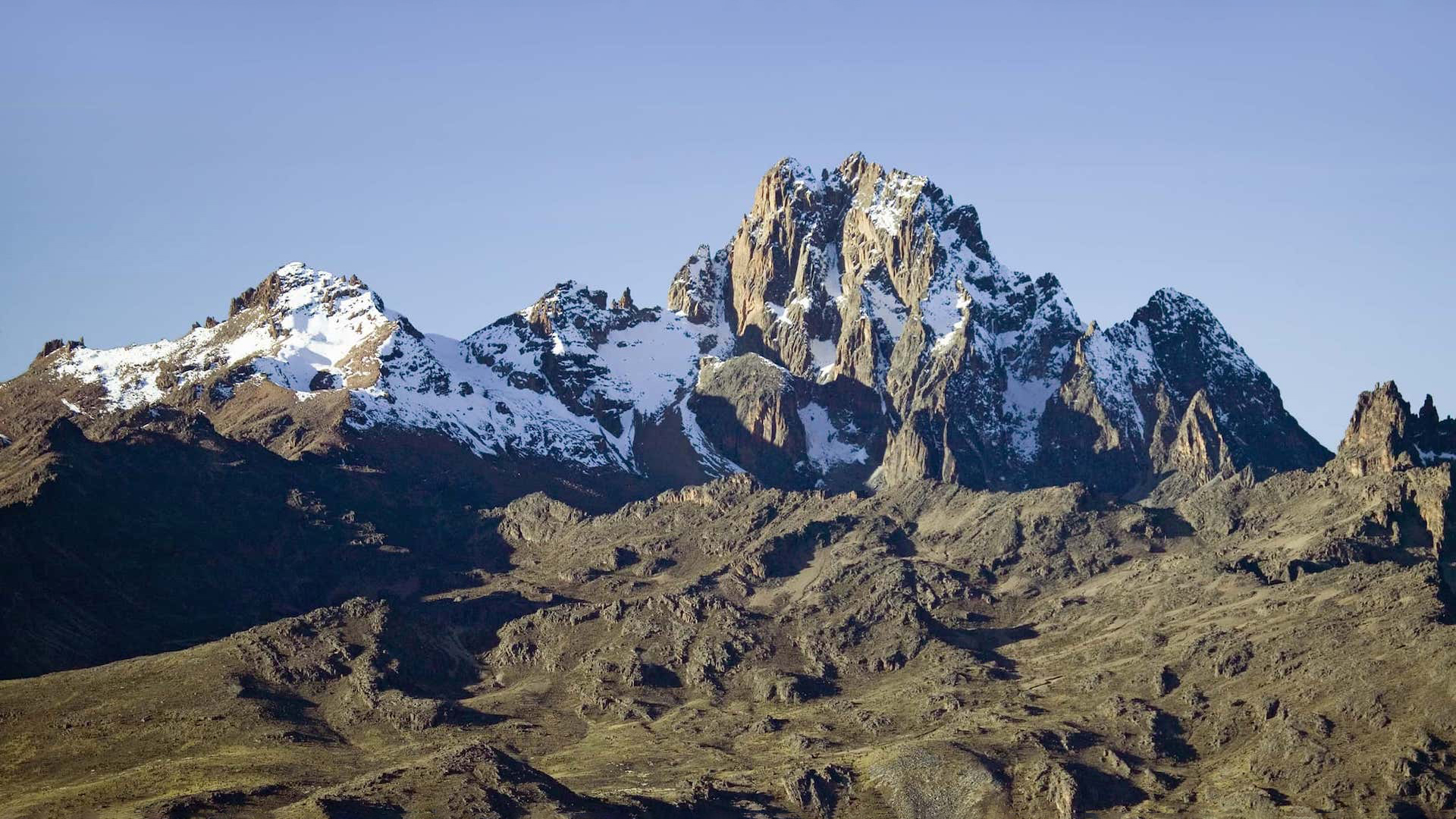
Below the ice, you move through cloud forest, bamboo, afro-alpine moorland, and glacial valleys in one continuous walk. Trekking to Point Lenana at 4,985 meters is achievable without any technical climbing experience and is one of the best multi-day hikes in Africa. The Lewa Wildlife Conservancy at the mountain’s foothills protects the world’s largest resident population of Grevy’s zebra.
- Kenya’s National Symbols and What They Represent
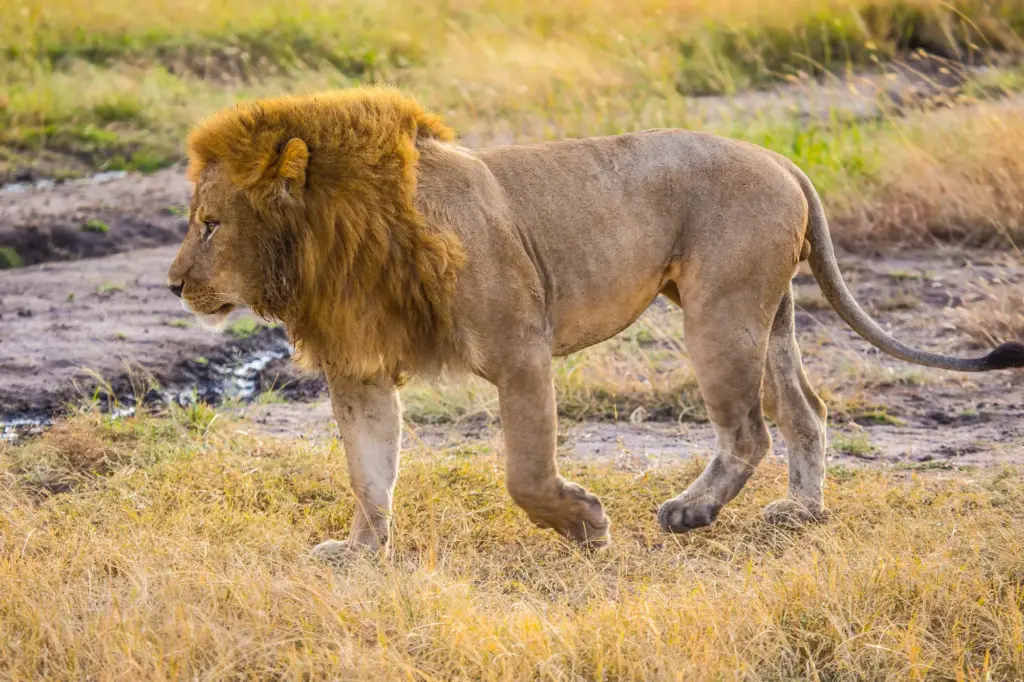
Kenya’s national bird is the lilac-breasted roller, a vivid combination of turquoise, blue, lilac, green, and rust that looks almost too colourful to be real. It perches on acacia branches across the savanna and is one of the most photographed birds in Africa. The national animal is the East African lion, which appears on Kenya’s coat of arms alongside two Maasai warriors holding spears.
Kenya’s national tree is the fig tree (Mugumo), held sacred by the Kikuyu people and historically used for community gatherings and prayer. For the nation, it is a symbol of resistance. During the struggle for independence, the Mau Mau freedom fighters used these massive, hollow-trunked trees as secret post offices, hiding messages and supplies in the bark crevices to evade British colonial scouts.
Kenya’s national flower is the Tropical Orchid. Every symbol carries a real cultural story behind it, none of which was chosen by accident.
- From Desert to Coast: Kenya’s Six Ecosystems
Travel from the coast inland, and you cross coral reefs, coastal Swahili forest, open savanna, Great Rift Valley soda lakes, afro-alpine moorland, and semi-arid northern desert without leaving Kenya. The coastline stretches for 536 kilometres, with white-sand beaches, ancient ruins, and snorkelling that most first-time visitors have no idea exists.
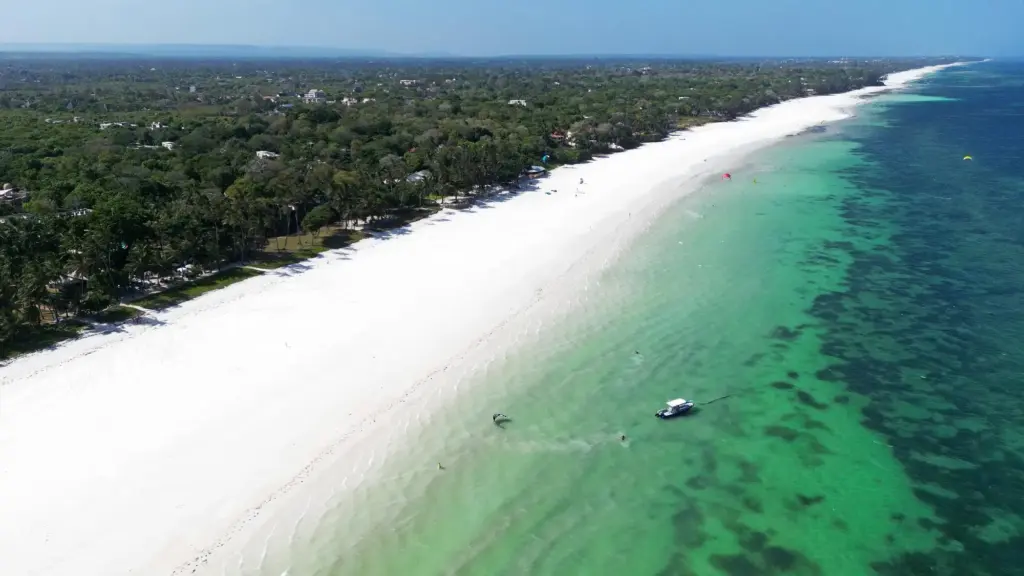
The Great Rift Valley running through Kenya is part of a geological system over 250 million years old. Kenya’s altitude range from sea level to 5,199 meters is one of the core reasons the country supports such extraordinary biodiversity. Very few countries on Earth offer this much variety in a single trip.
- A Cultural Mosaic: 42+ Communities and 60 Languages
Within its borders, Kenya hosts more than 42 distinct ethnic communities, each with its own traditions, ceremonies, music, and identity. More than 60 languages are spoken across the country. Kiswahili and English connect them officially, but step into any county, and the local tongue tells a completely different story.
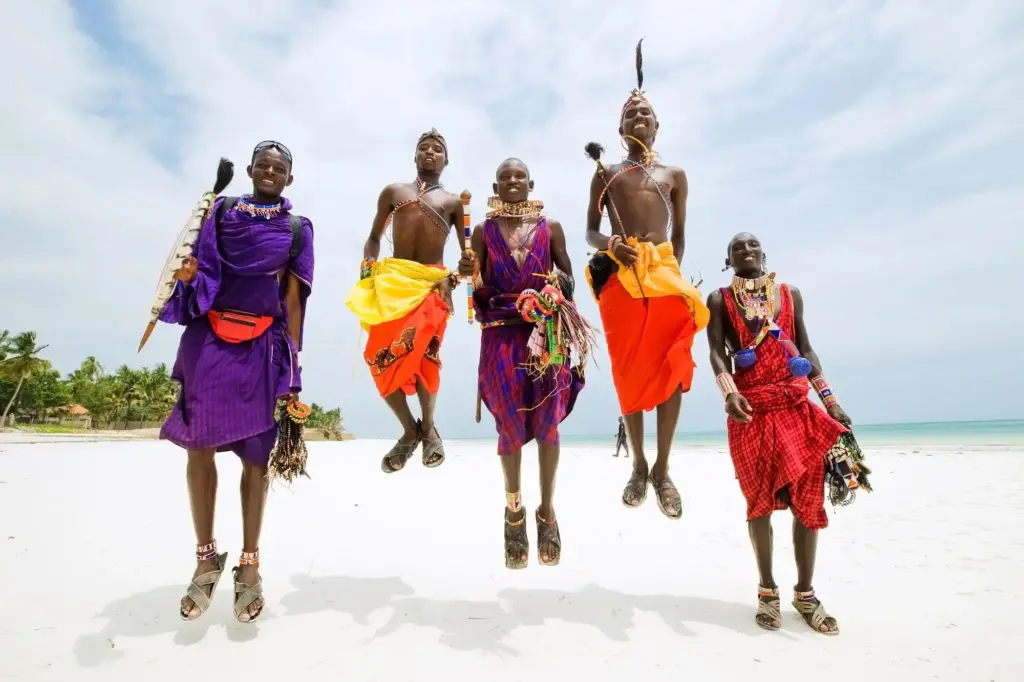
You can watch Maasai warriors practice jumping ceremonies in the Mara, hear the Samburu singing to their cattle in the north, sit in a 700-year-old Swahili courtyard in Lamu, or walk through Nairobi’s most vibrant neighbourhoods all within one trip. None of it feels like a performance. It is just daily life here.
- Leading the Green Revolution: 90% Renewable Energy
More than 90% of Kenya’s electricity comes from renewables, geothermal from the Rift Valley, wind from Turkana (the largest wind farm in Africa), hydro, and an expanding solar grid. That puts Kenya among the top countries globally for clean energy share, ahead of most of Europe.
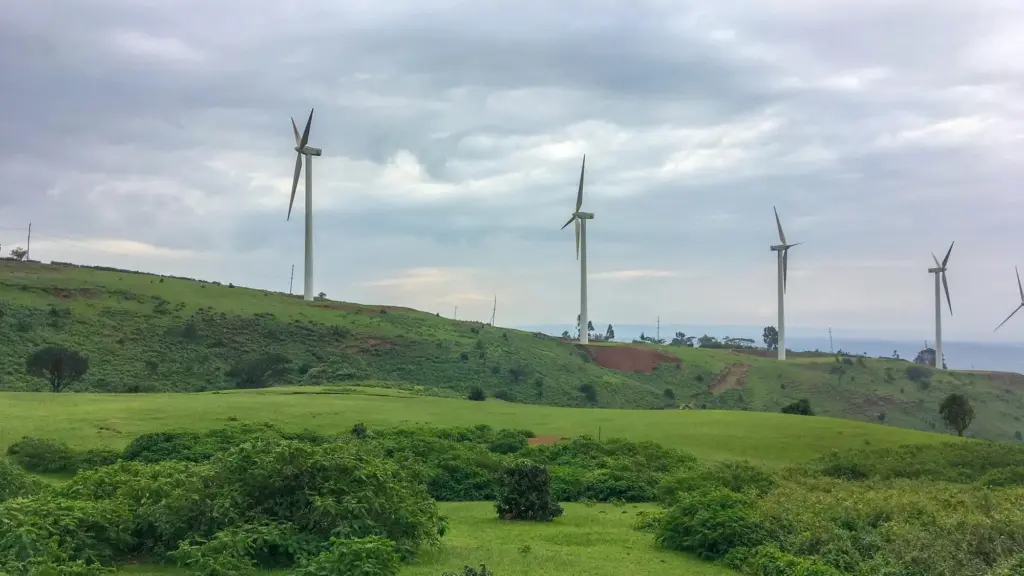
This is also a practical tourism fact. Clean energy underpins the lodges, camps, and infrastructure that make Kenya’s travel experience work. The government has made renewable energy central to its growth plan through 2030. For eco-conscious travellers, that kind of national commitment actually changes the calculation on where you spend your money.
- Silicon Savannah: Africa’s Tech and Innovation Hub
In 2024, Kenya attracted 31% of all startup funding raised across Africa, despite representing just 4% of the continent’s population. Kenyan startups raised $2 billion in 2024, a 70% jump from the previous year. Microsoft invested $1 billion in a data centre in Naivasha. Google runs its first African product development centre in Nairobi.
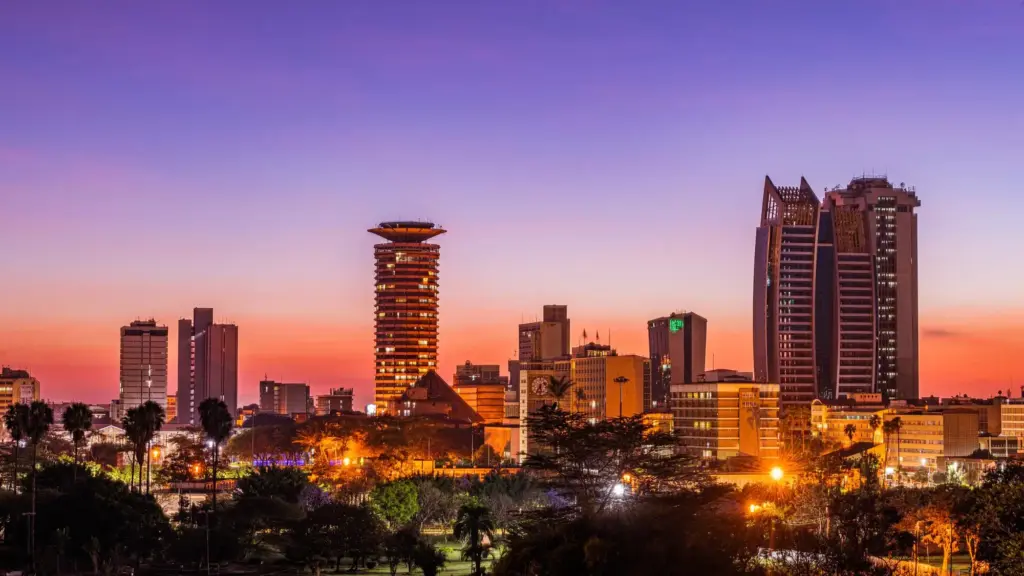
The heart of it all is M-Pesa, the mobile money platform invented in Kenya in 2007. In its most recent fiscal year, it processed over $310 billion across eight countries. M-Pesa changed what financial access looks like for tens of millions of people who had never held a bank account.
- The “Singing Wells” of the Samburu
In northern Kenya, the Samburu people practice a centuries-old ritual called the Singing Wells. During drought, when water is scarce, warriors form human chains in dry riverbeds and pass water up to the surface by hand. As they work, each family group sings a unique song, a melody their own cattle have learned to recognise from miles away.
No technology. No fencing. Just sound, memory, and community built across generations. Witnessing this in person is one of those travel experiences that is genuinely impossible to explain to anyone who was not standing there.
- Bioluminescent Waters: Kenya’s Glowing Coast
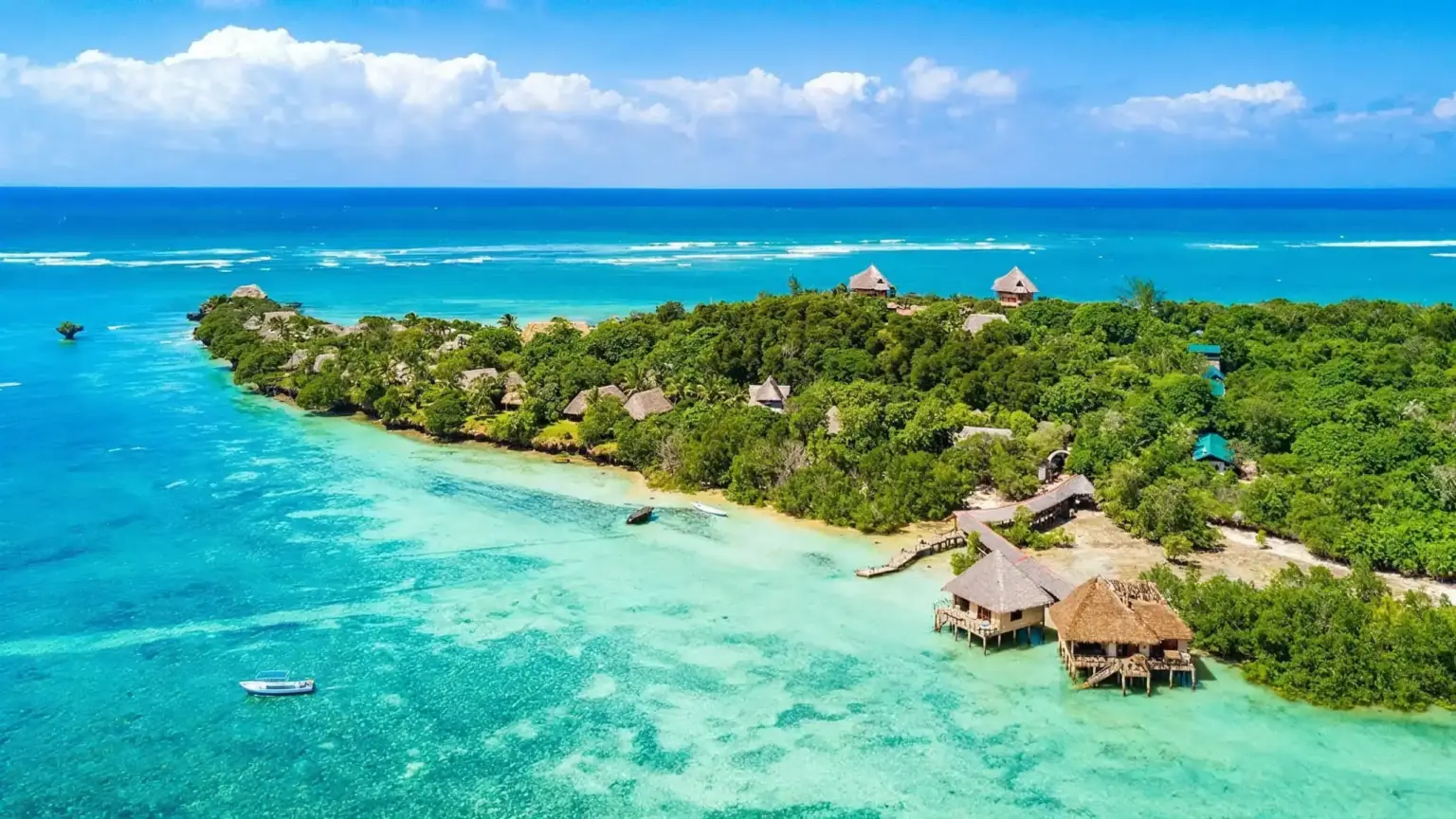
At Kilifi Creek on Kenya’s northern coast, the ocean lights up after dark. Bioluminescent plankton react to movement, so every stroke and splash leaves an electric blue trail around you. It is one of only a handful of spots in Africa where this reliably happens, and it is genuinely otherworldly.
Kilifi is one of Kenya’s most underrated coastal destinations: calm and unhurried, with a beautiful natural harbour and great local food. It gets a fraction of the visitors that Diani and Mombasa attract. If you want the Kenya coast without the crowds, this is where to go.
- The Physics-Defying “Gravity Hill” of Machakos
Located on the slopes of Kyamwilu Hill in Machakos County, a 100-meter stretch of road appears to defy gravity. Local residents and tourists alike marvel at how water poured onto the asphalt flows upward toward the peak, and at how vehicles in neutral gear roll up the hill.
While scientists suggest it is an incredible optical illusion caused by the surrounding horizon line, the experience remains one of Kenya’s most baffling “physics-defying” stops.
- A 72-Hour Tree Hug: The 2026 Guinness World Record
In January 2026, Guinness World Records recognised Kenyan activist Truphena Muthoni for the world’s longest marathon tree hug: 72 continuous hours in Nyeri County, without sitting, sleeping, or letting go. She did it to advocate for the protection of Kenya’s indigenous forests.

It is the kind of record that tells you something real about Kenya. From Wangari Maathai planting 51 million trees to one woman standing in the rain for three days holding a tree, environmental activism here is not abstract. The forests matter to people, and people do something about them. That thread runs right through this country.
Conclusion: So, When Are You Going?
Kenya does not ask you to choose between wildlife, culture, adventure, and beach. It just gives you everything at once and lets you figure out the itinerary. That is a pretty rare thing in travel.
The best time to visit depends on what you want to see most. The Great Migration peaks between July and October; the coast is gorgeous year-round, and the highlands stay comfortable in almost any season. Start there.