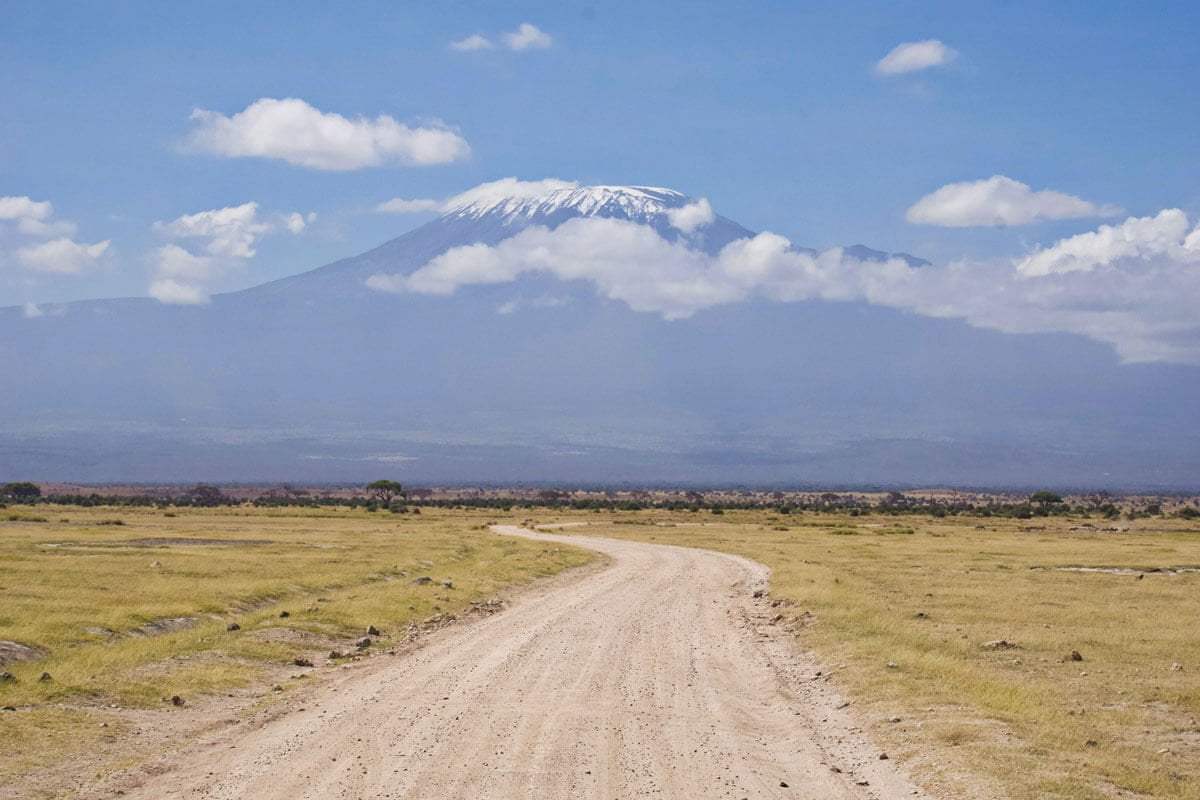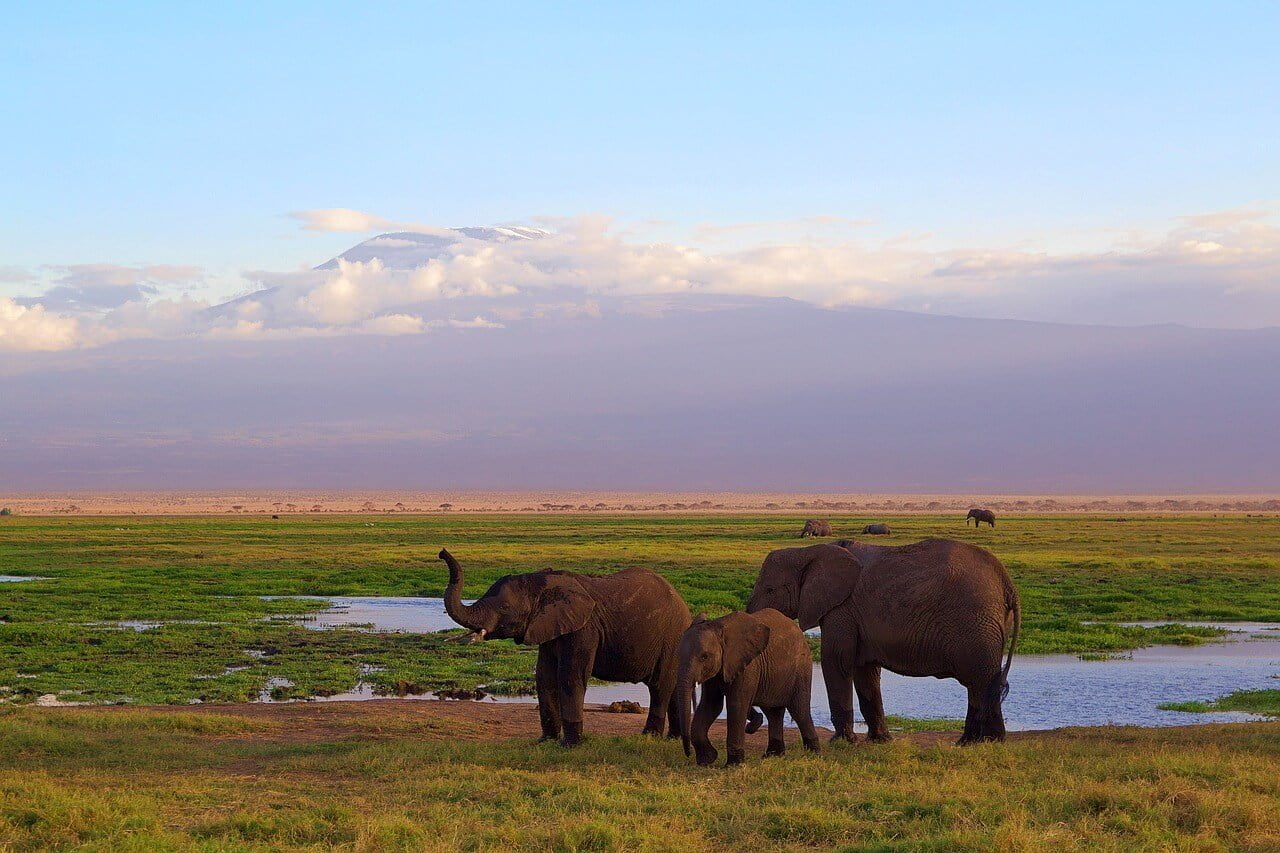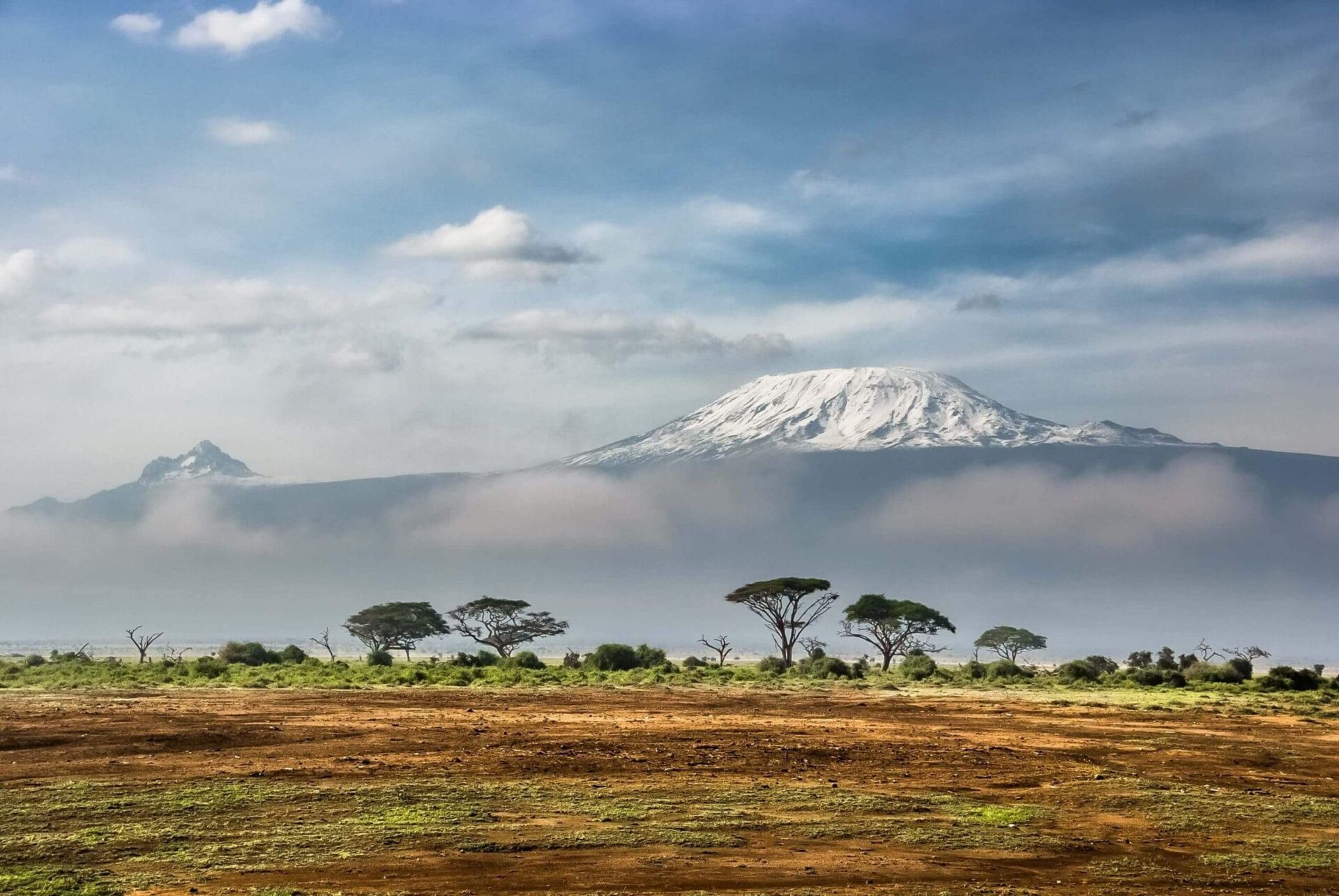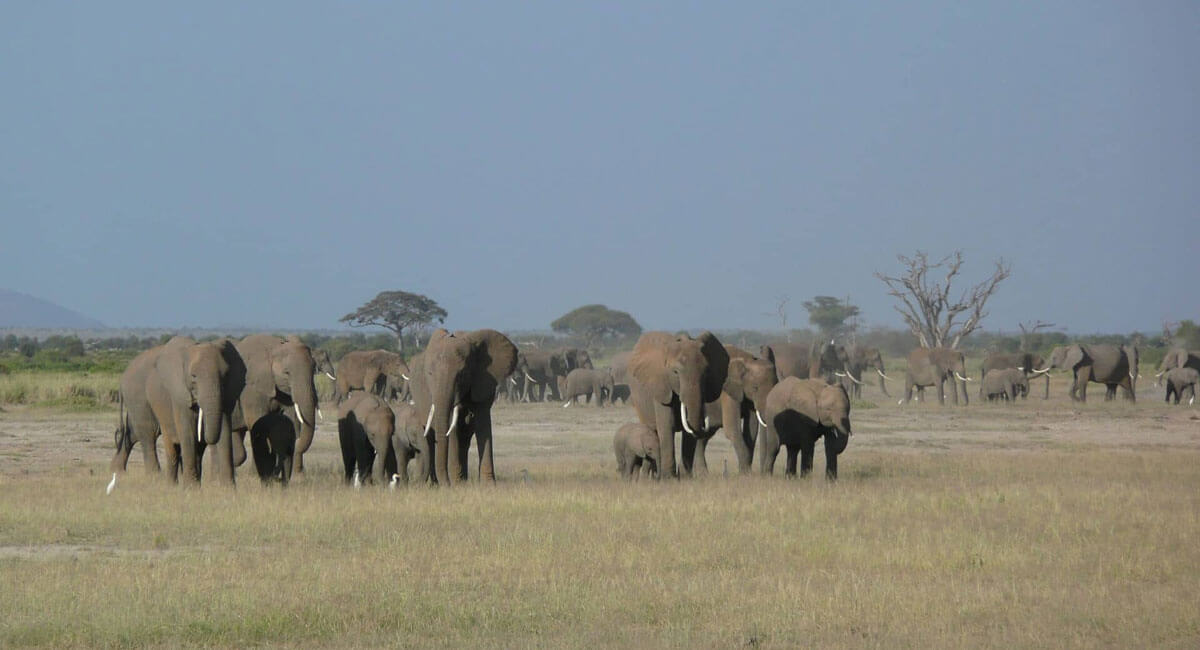

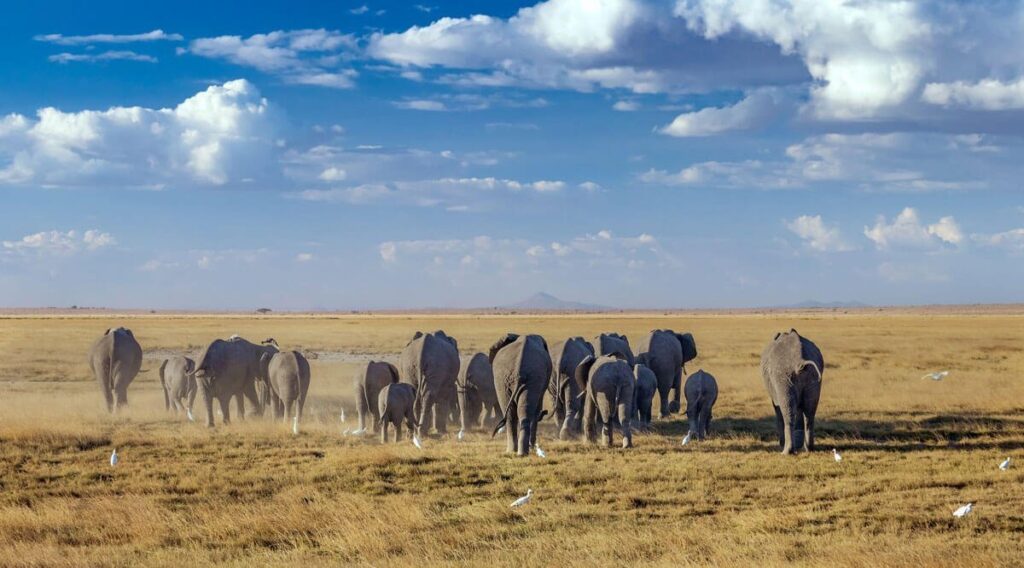
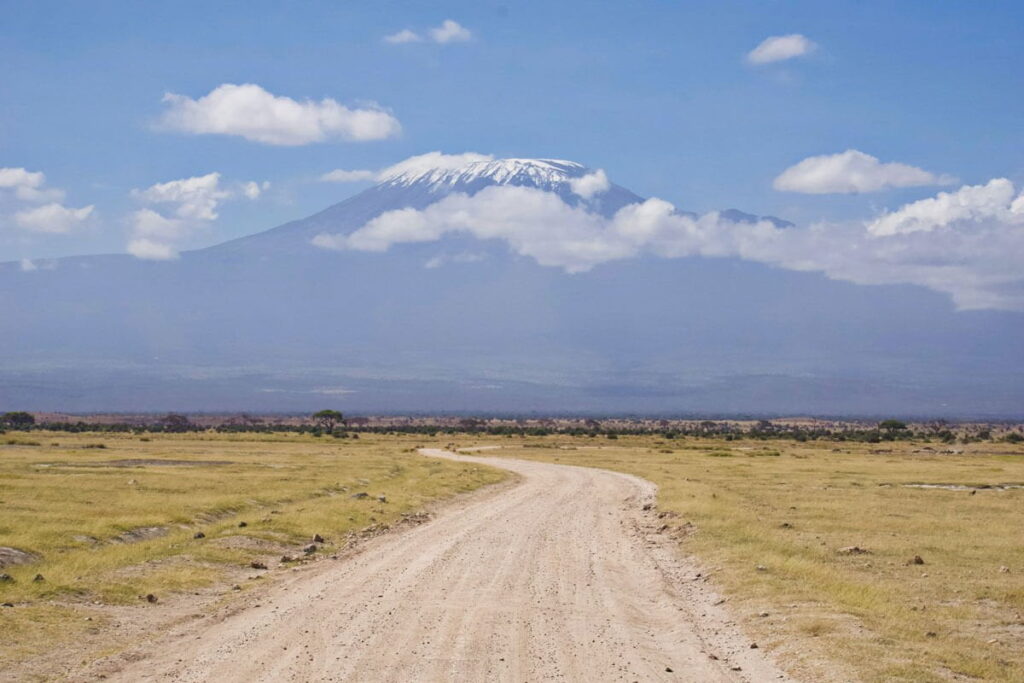
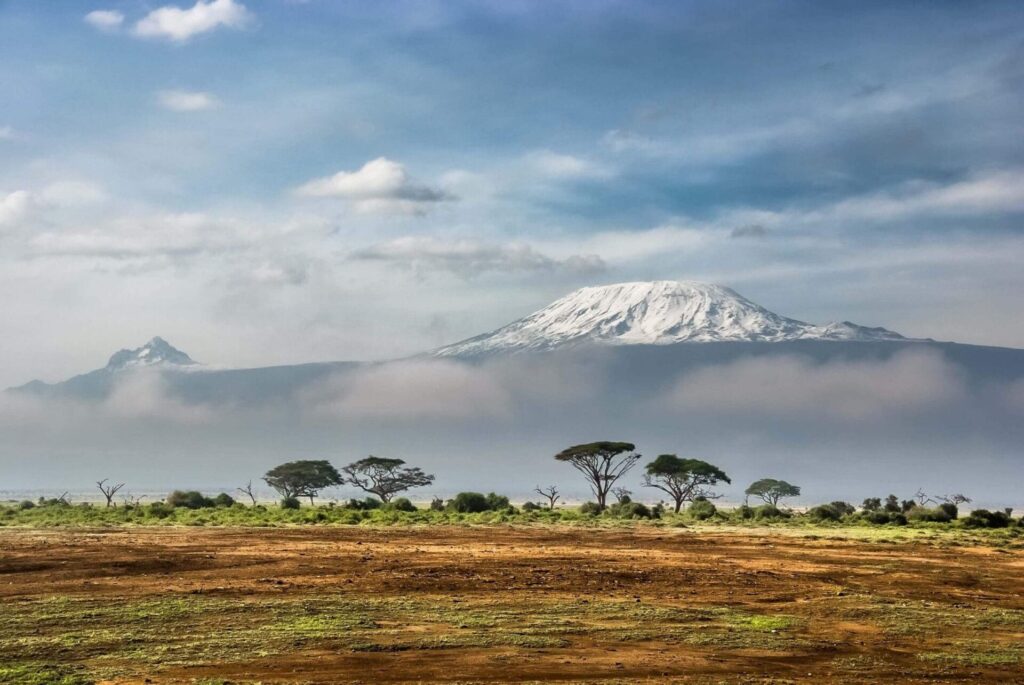
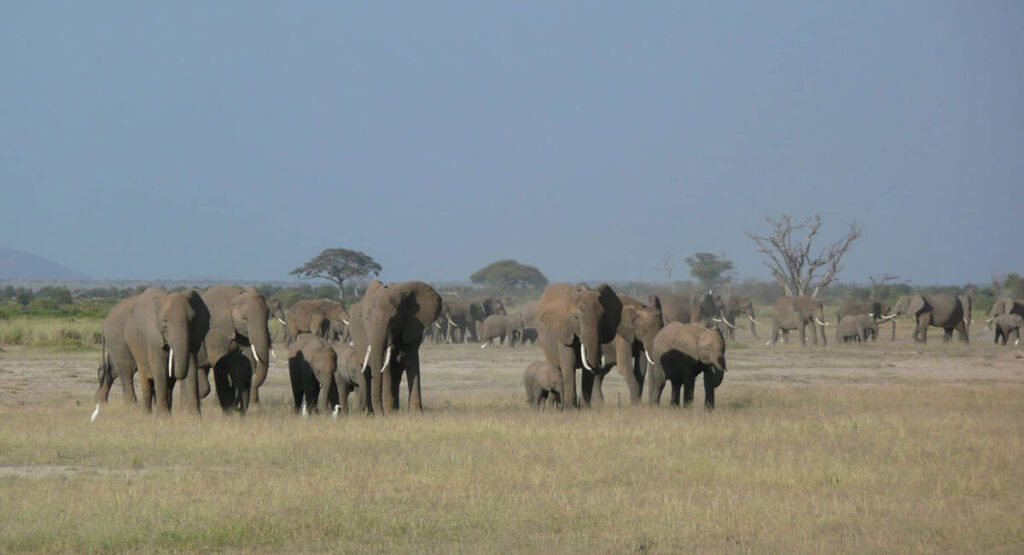
Amboseli National Park is one of Kenya’s most famous safari destinations, celebrated as the best place in Africa to get close to free-roaming elephants. Located in Loitoktok, Kajiado County, the park sits at the northwestern base of Mount Kilimanjaro along the Kenya–Tanzania border.
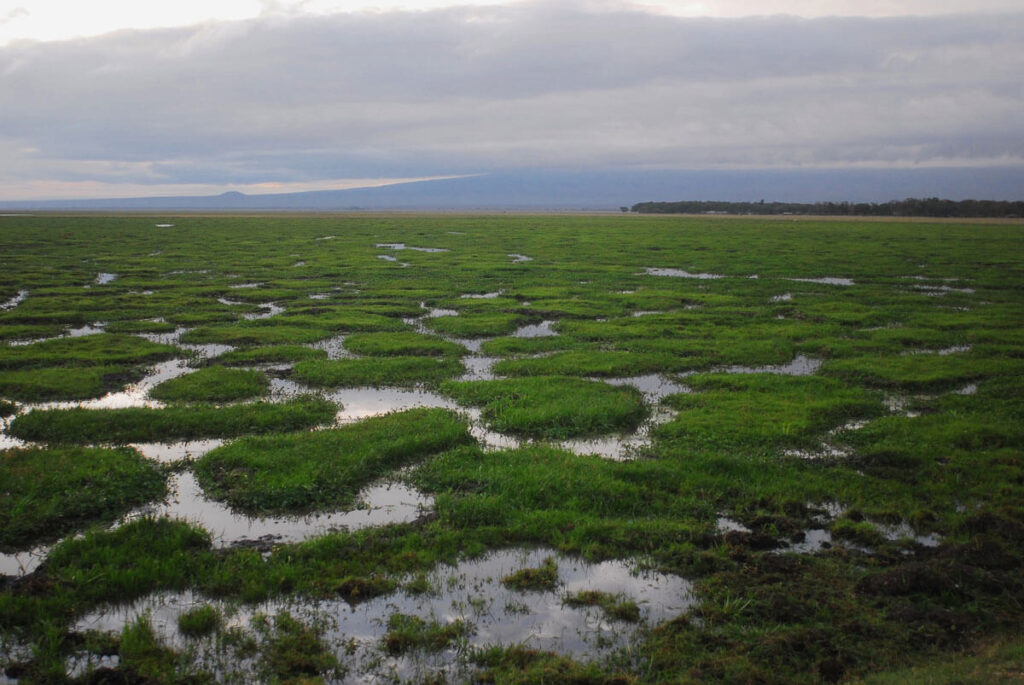
The word “Amboseli” comes from the Maasai language, meaning “salty dust,” a reference to the park’s dry lake beds and dusty plains. Despite its arid setting, Amboseli is rich in diverse habitats, including open plains, acacia woodlands, rocky thorn bush, wetlands with sulfur springs, and marshes.
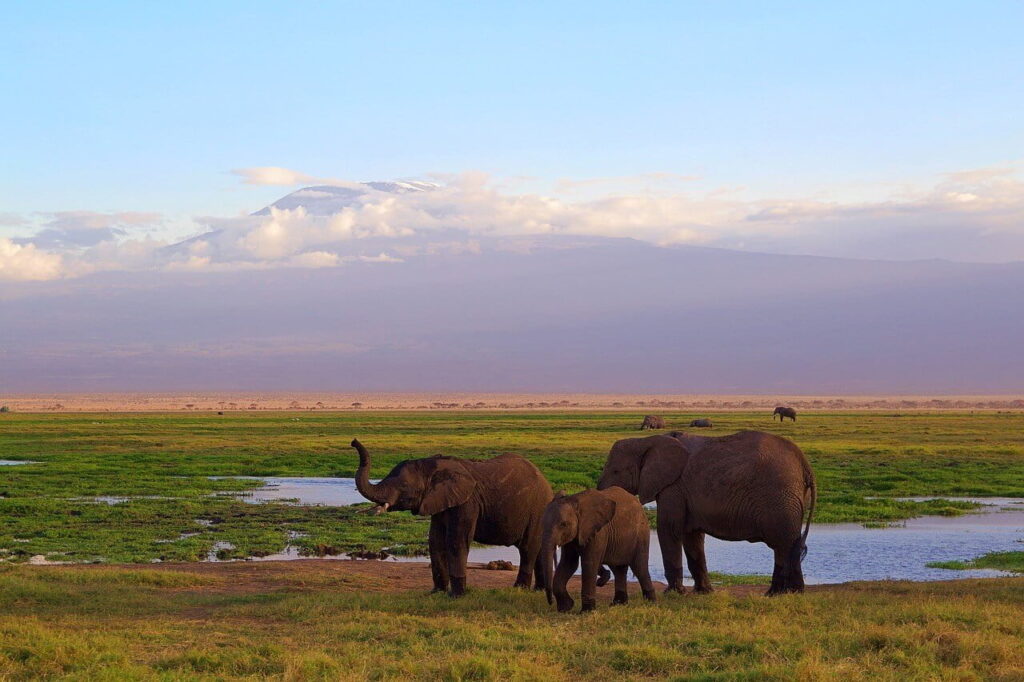
The park’s Observation Hill offers panoramic views of Amboseli’s plains, swamps, and Kilimanjaro’s snowcapped peak, one of the most iconic safari backdrops in Africa.
First declared a game reserve in 1948 and later gazetted as a national park in 1974, Amboseli is now a UNESCO Biosphere Reserve, protecting its fragile ecosystem and wildlife.
Wildlife and Birdlife in Amboseli National Park
Amboseli is home to over 80 different mammal species, ranging from the tiny spectacled elephant shrew to the African elephant, the park’s most famous residents. Visitors can expect to see:
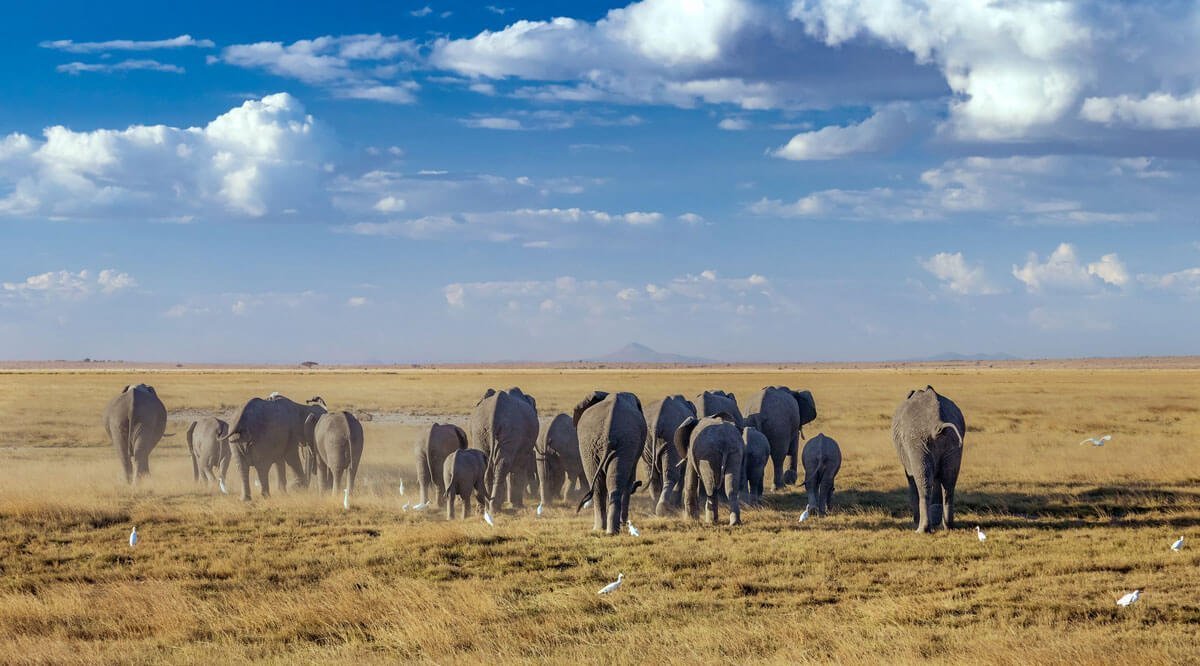
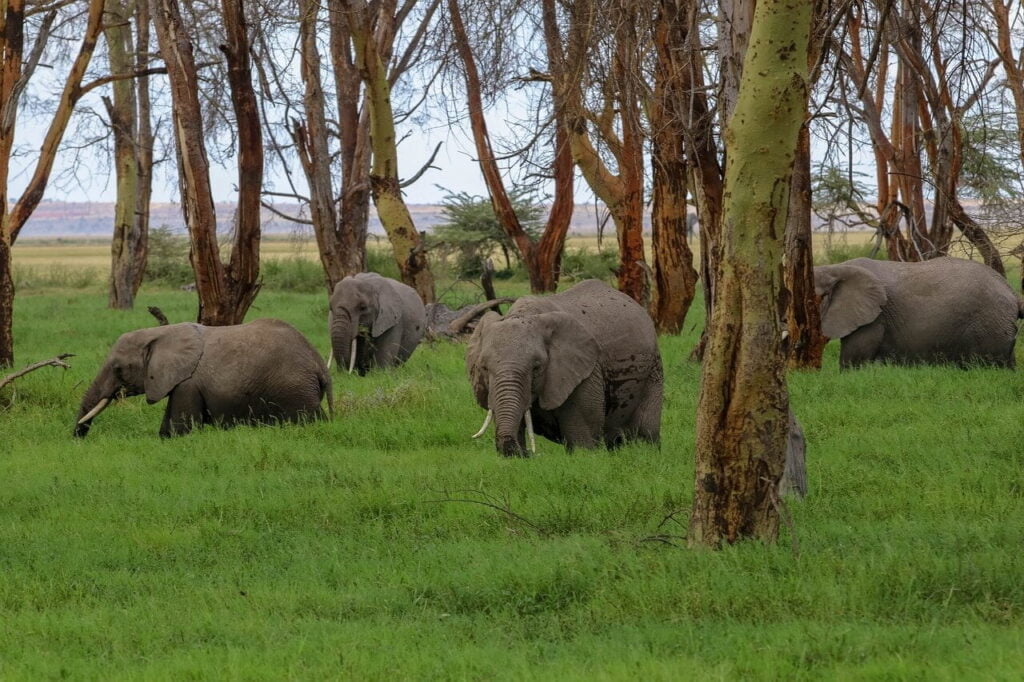
- Large herds of elephants
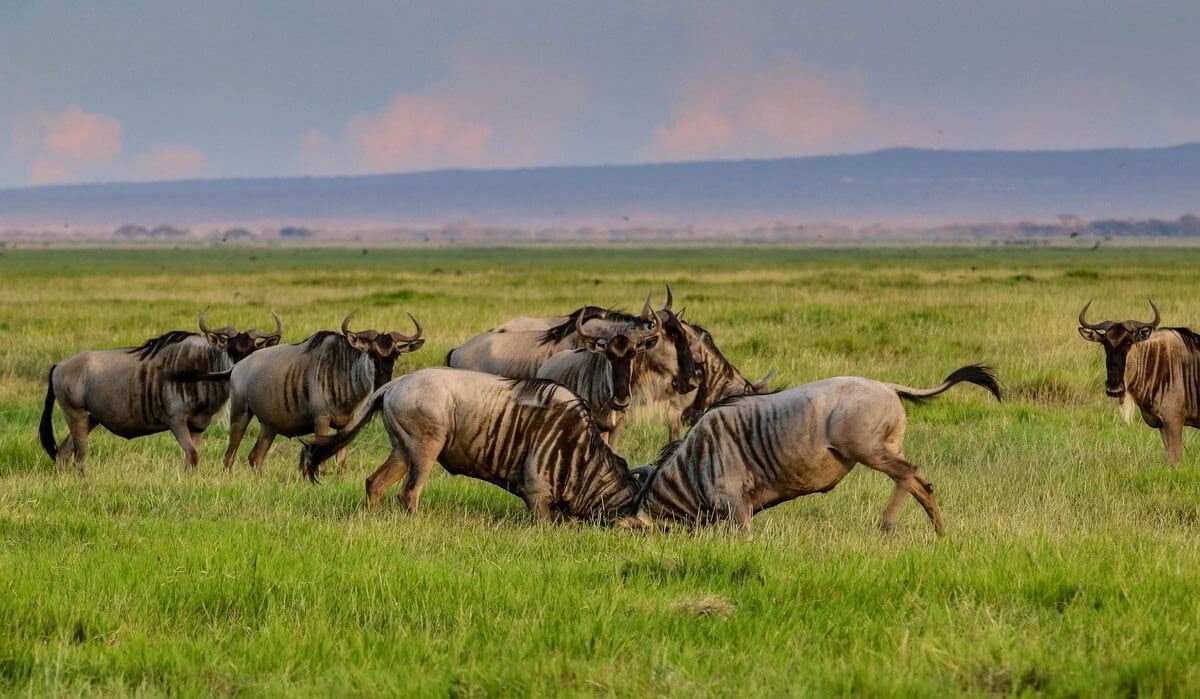
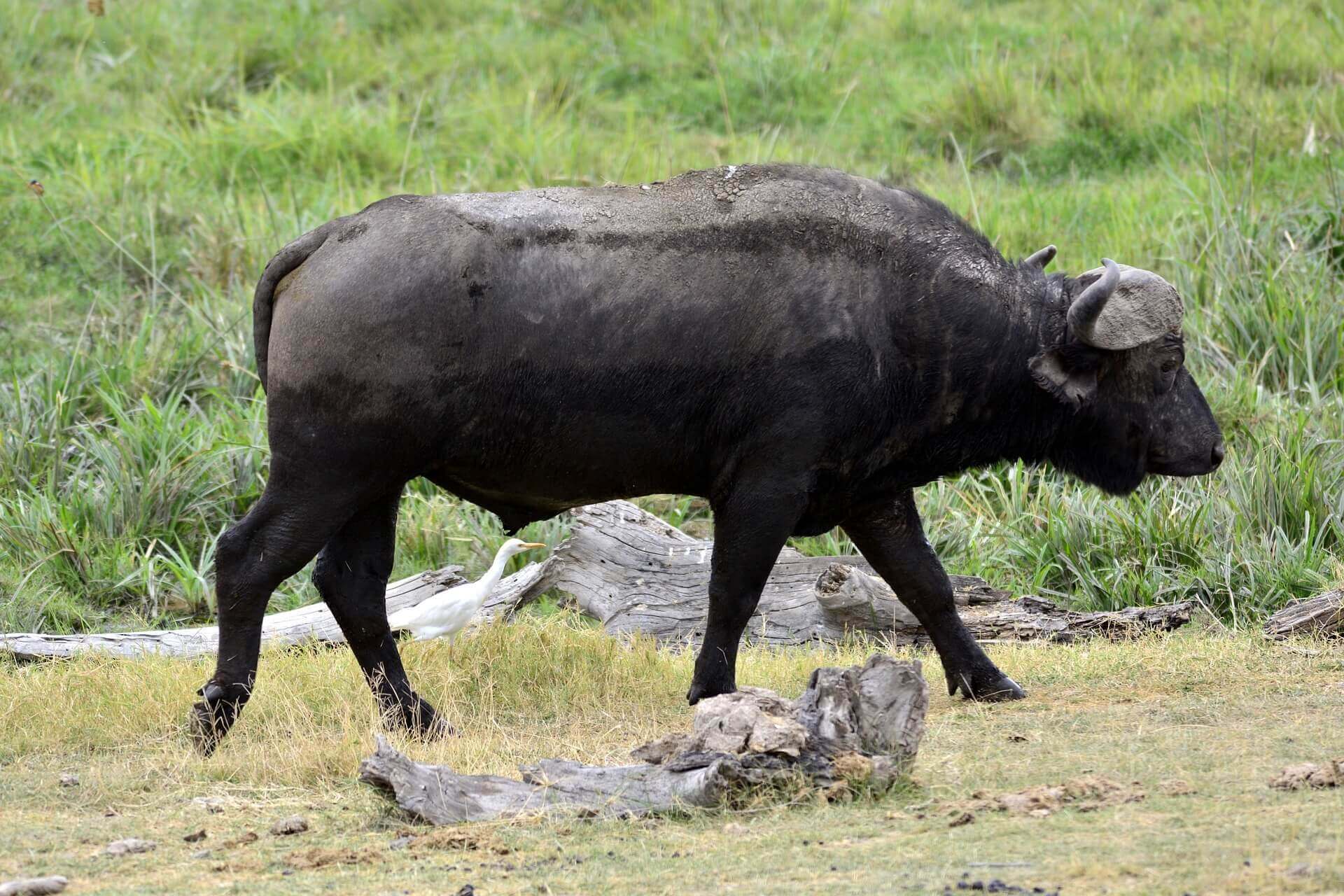
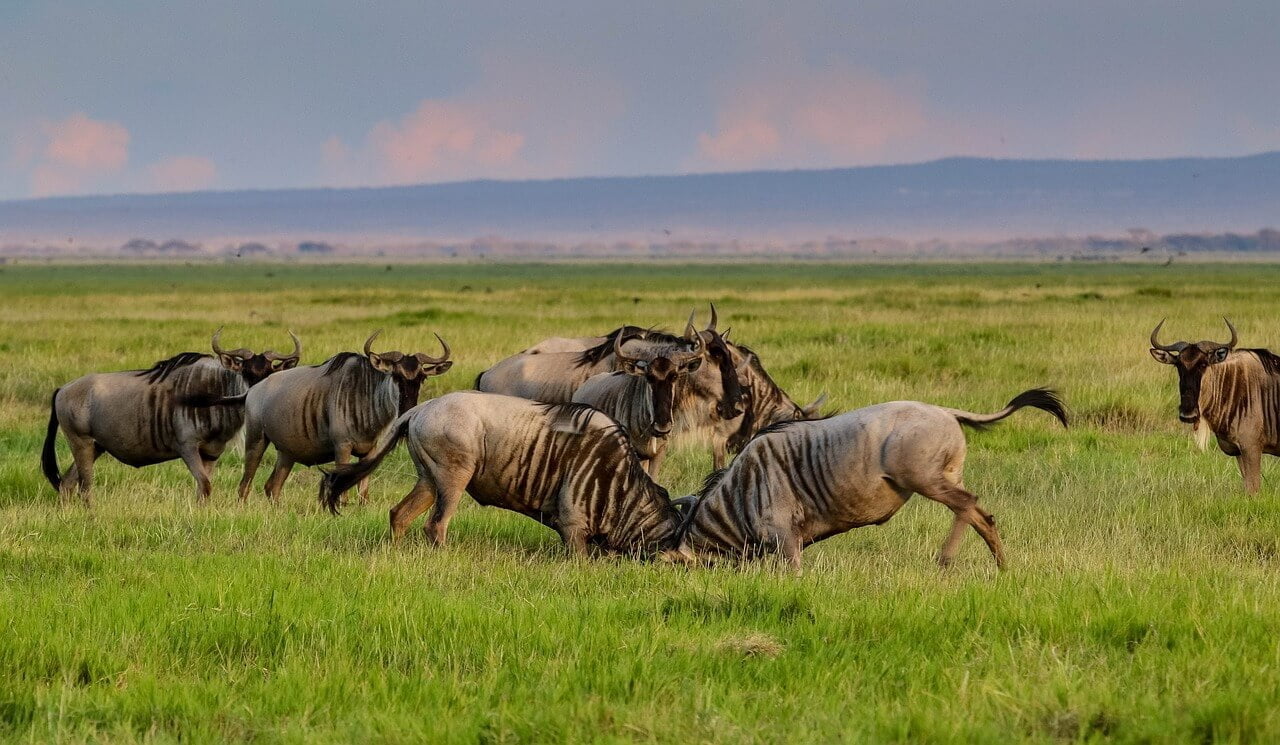
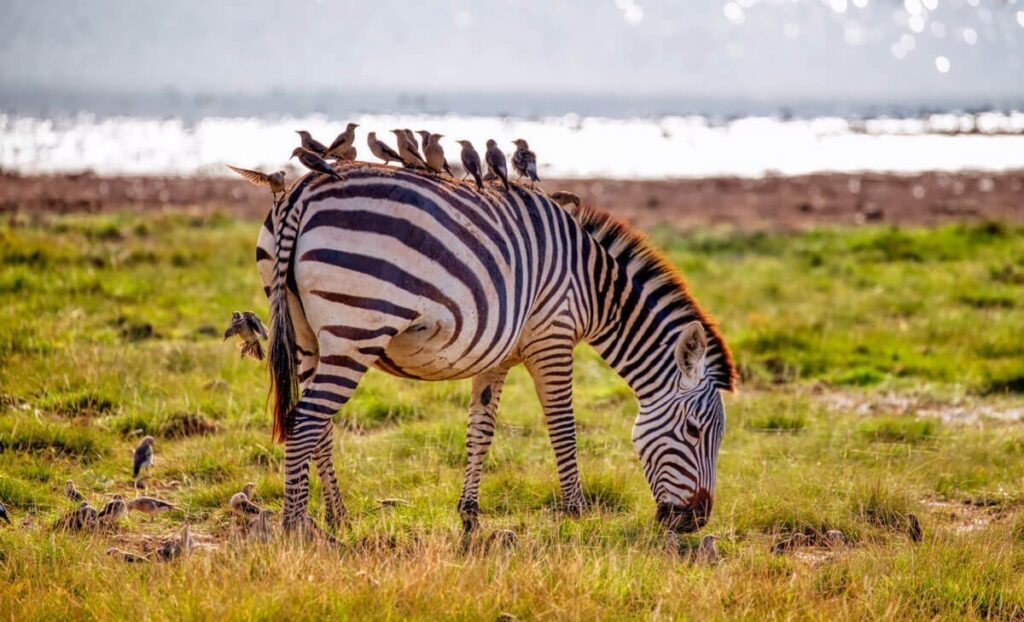
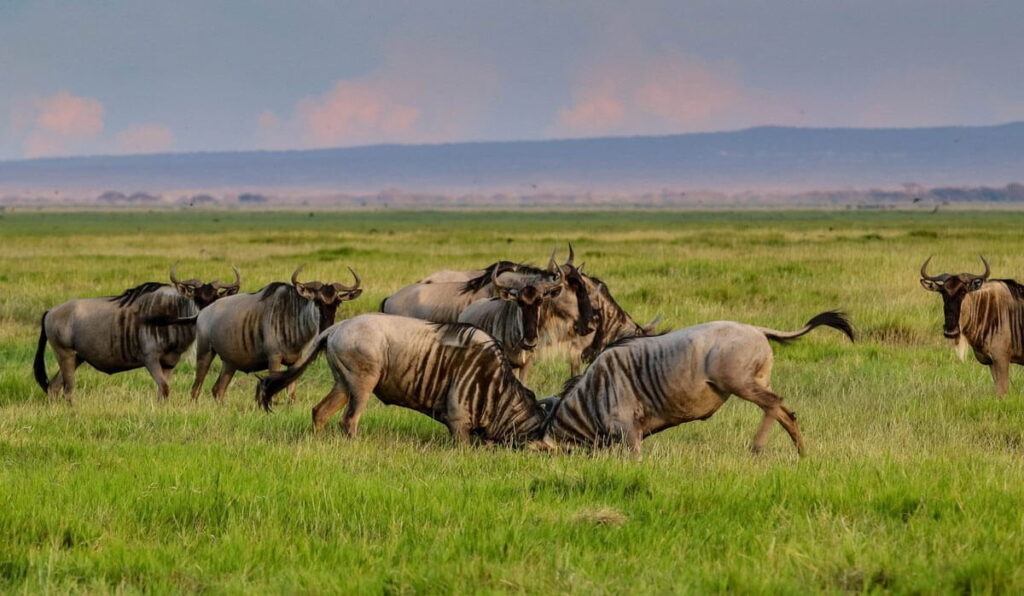
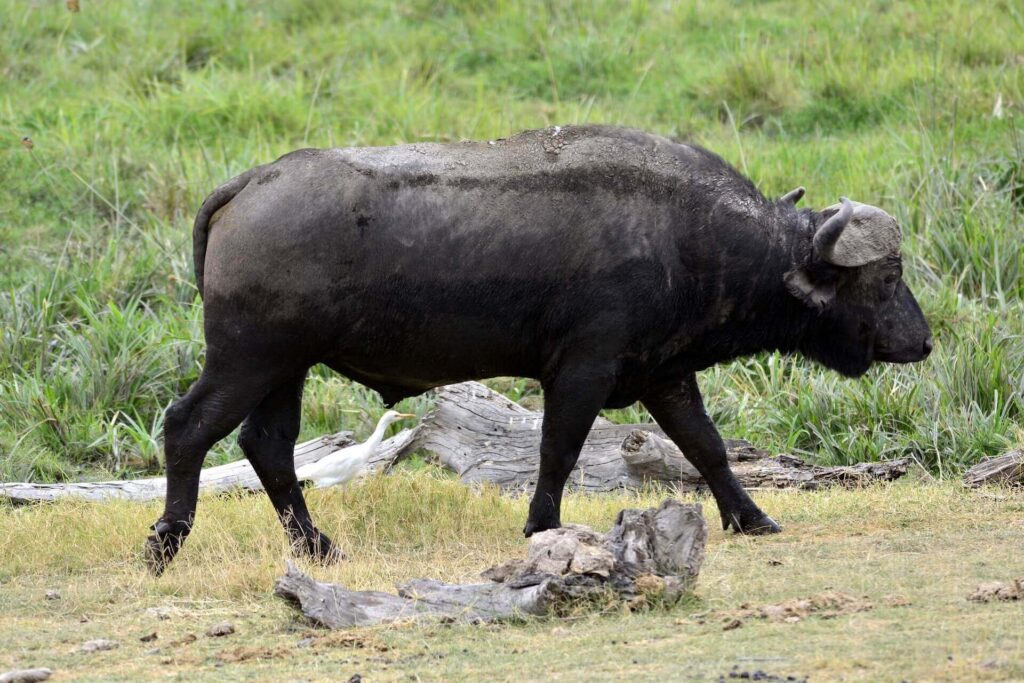
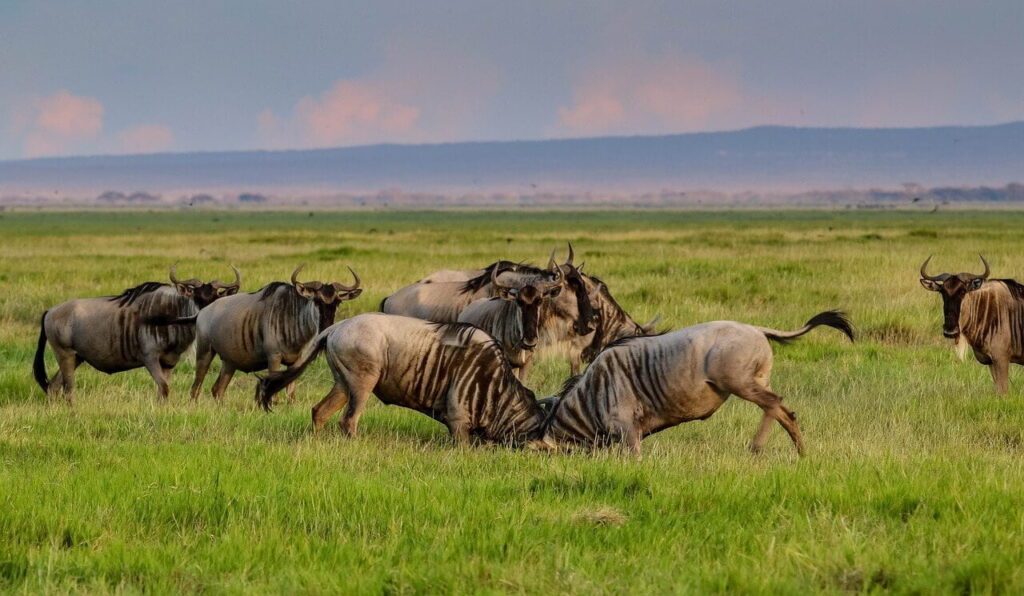
- Wildebeest, buffalo, and zebras grazing the plains
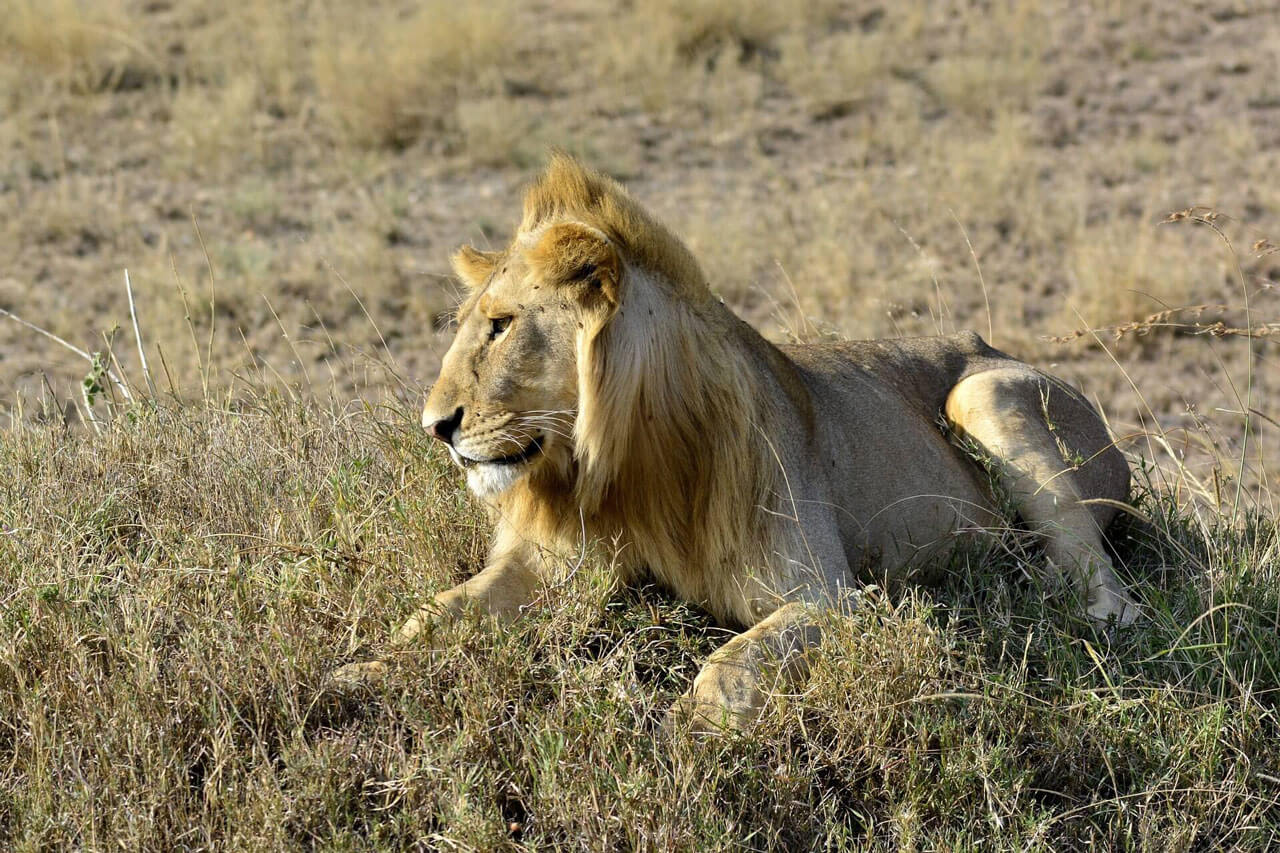
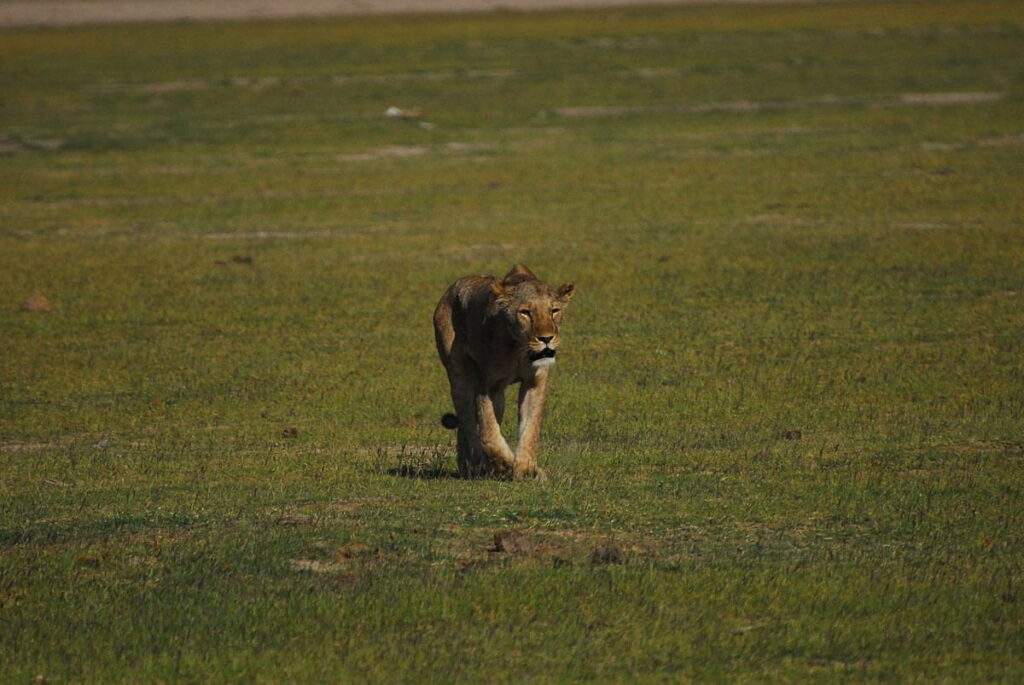
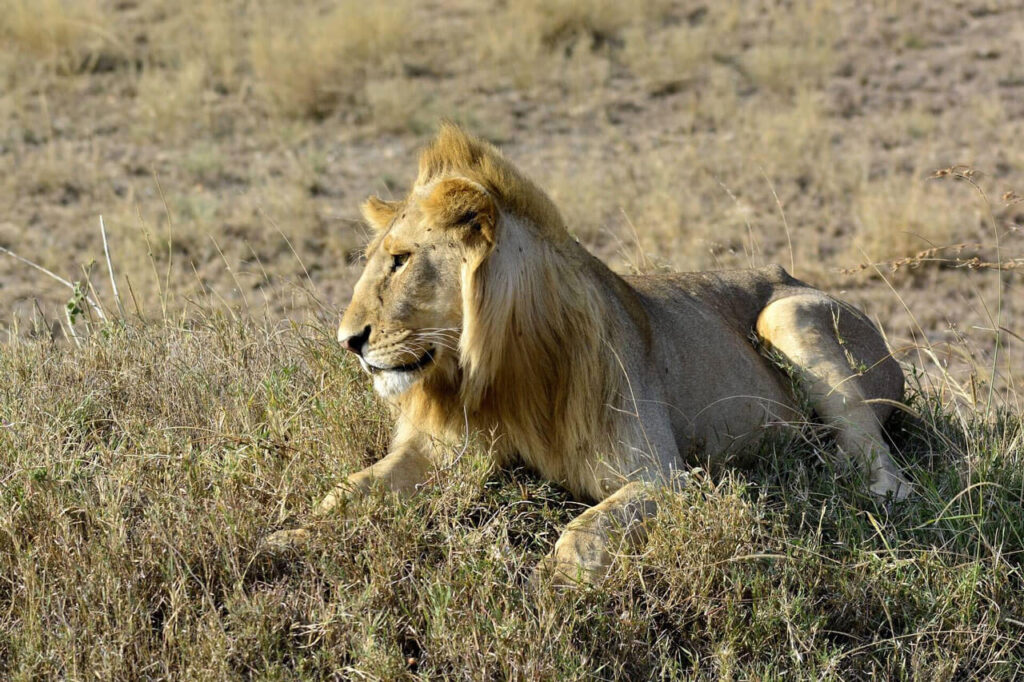
- Predators, including lions, leopards, cheetahs, hyenas, and wild dogs
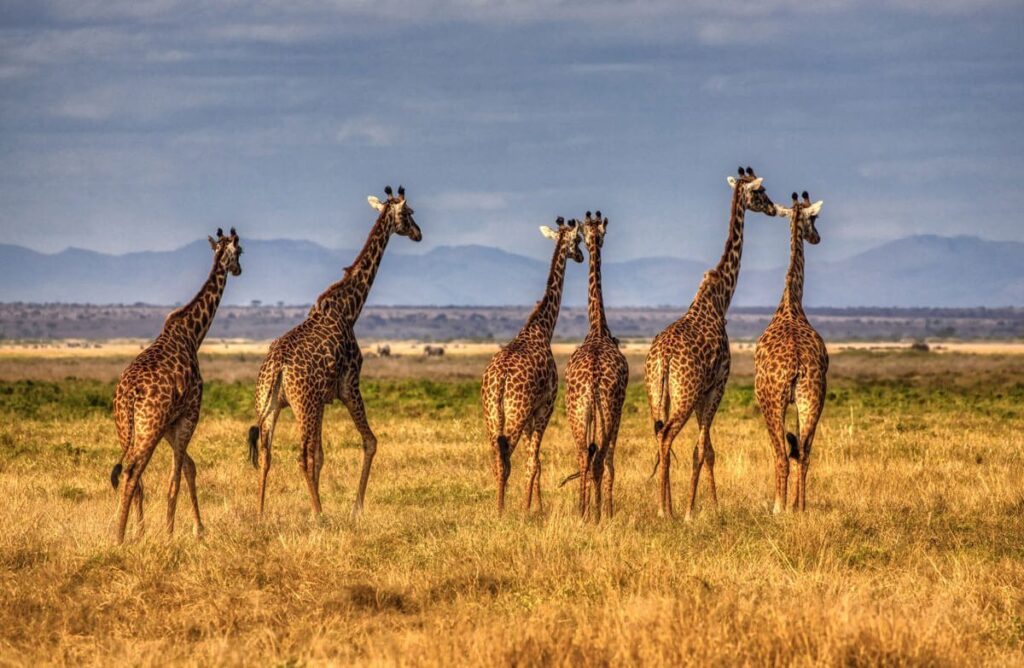
- Other species such as giraffes, crocodiles, dik-diks, mongoose, lesser kudu, hyrax, and porcupines
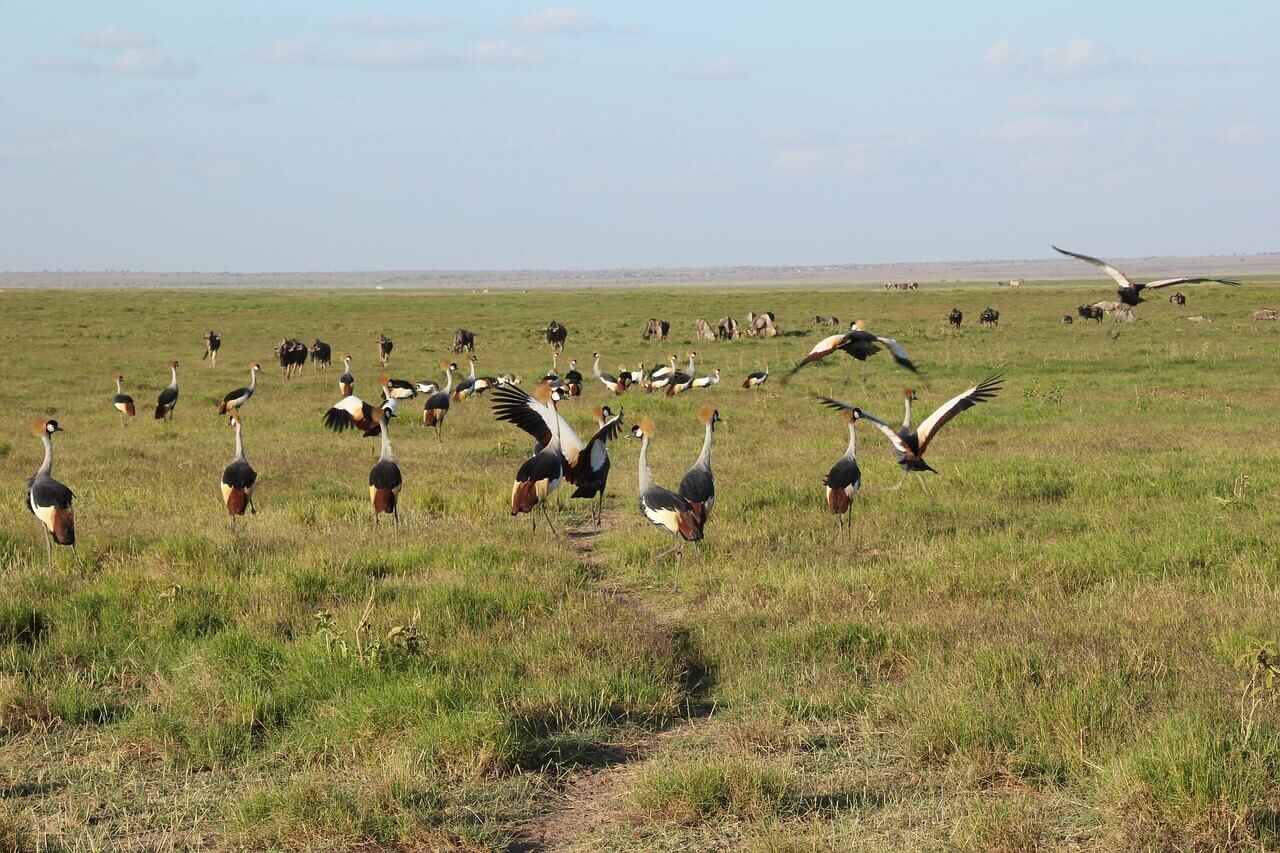
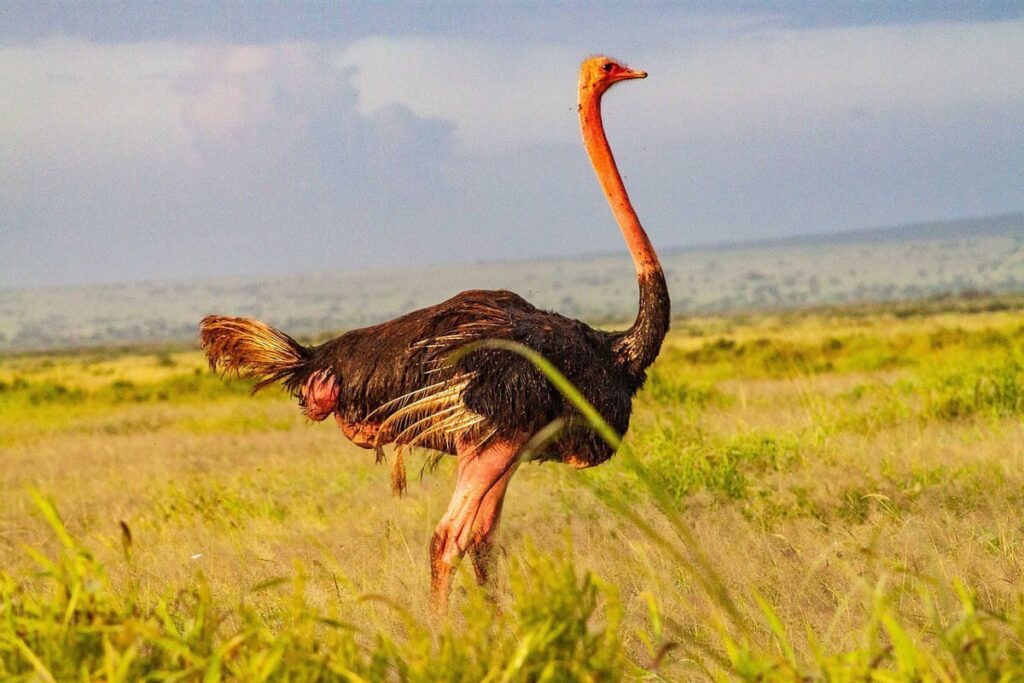
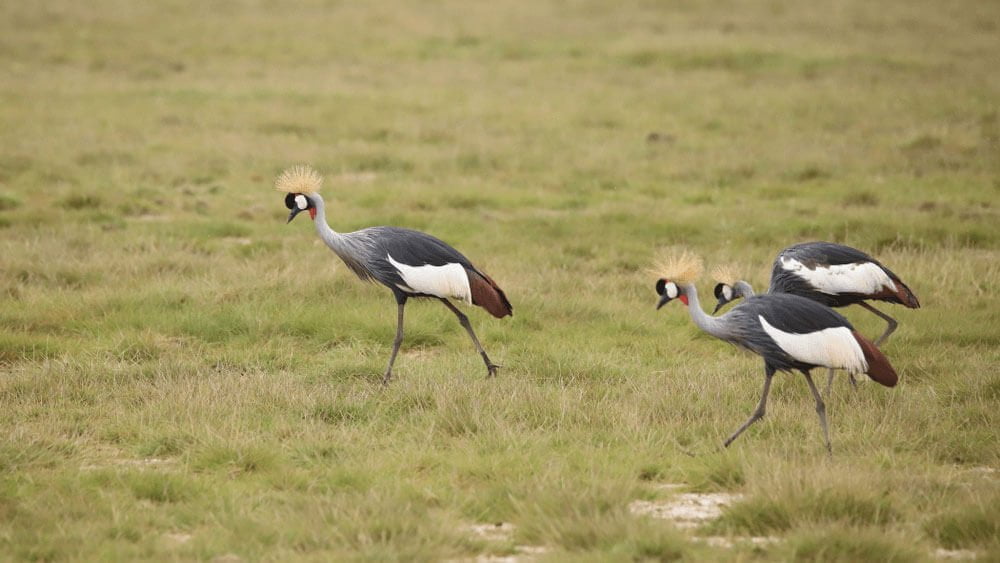
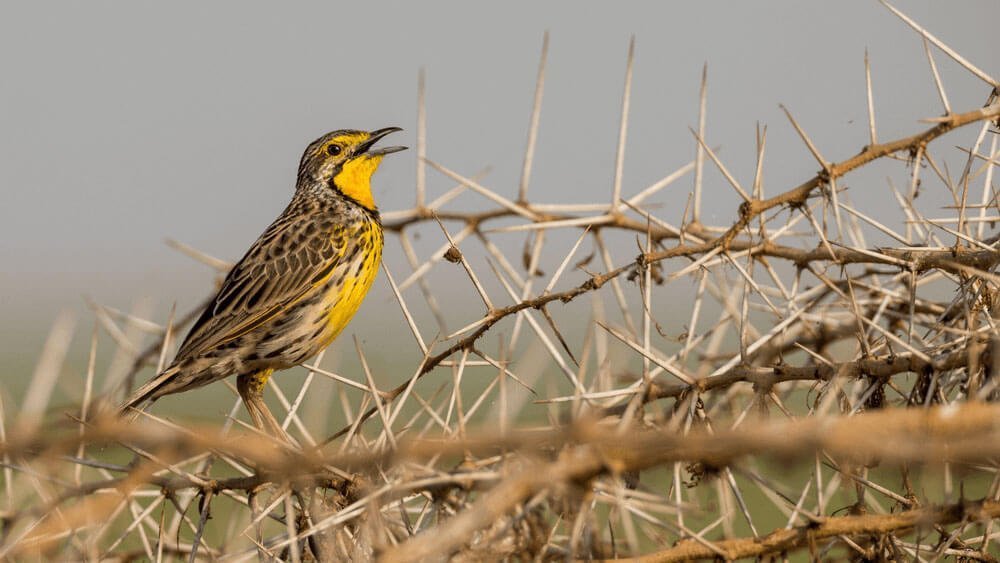
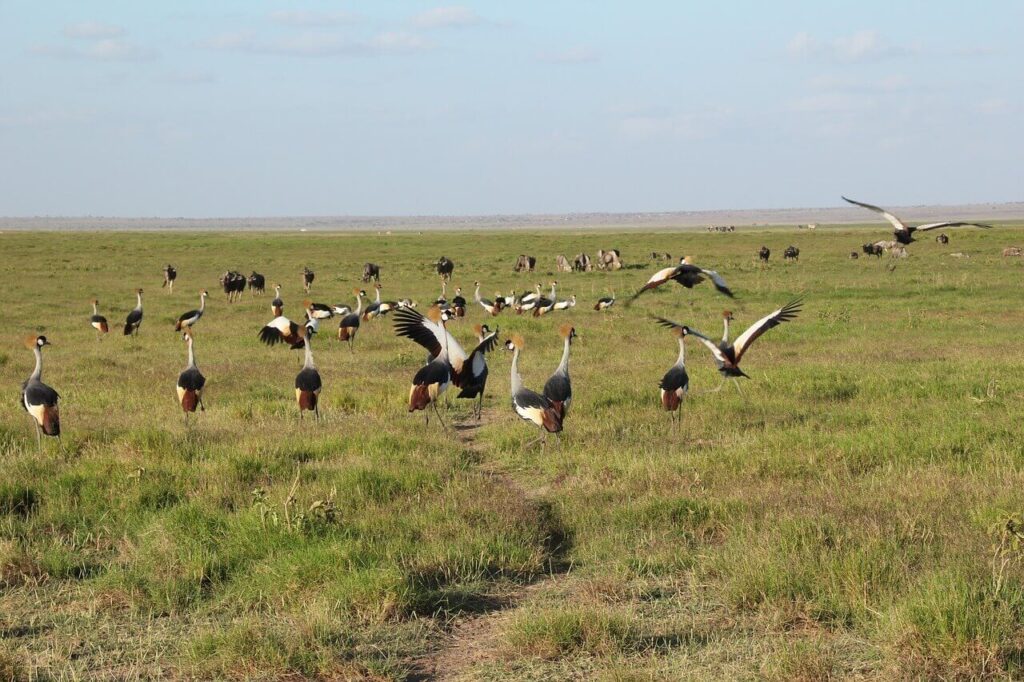
For bird enthusiasts, Amboseli is a paradise with over 600 recorded bird species. During the rainy season, the park’s wetlands and the temporary Lake Amboseli attract flamingos, pelicans, egrets, herons, and other waterbirds.
Major Attractions in Amboseli National Park
- Observation Hill – The only point where visitors can walk within the park, offering stunning views of Kilimanjaro and the swamps below.
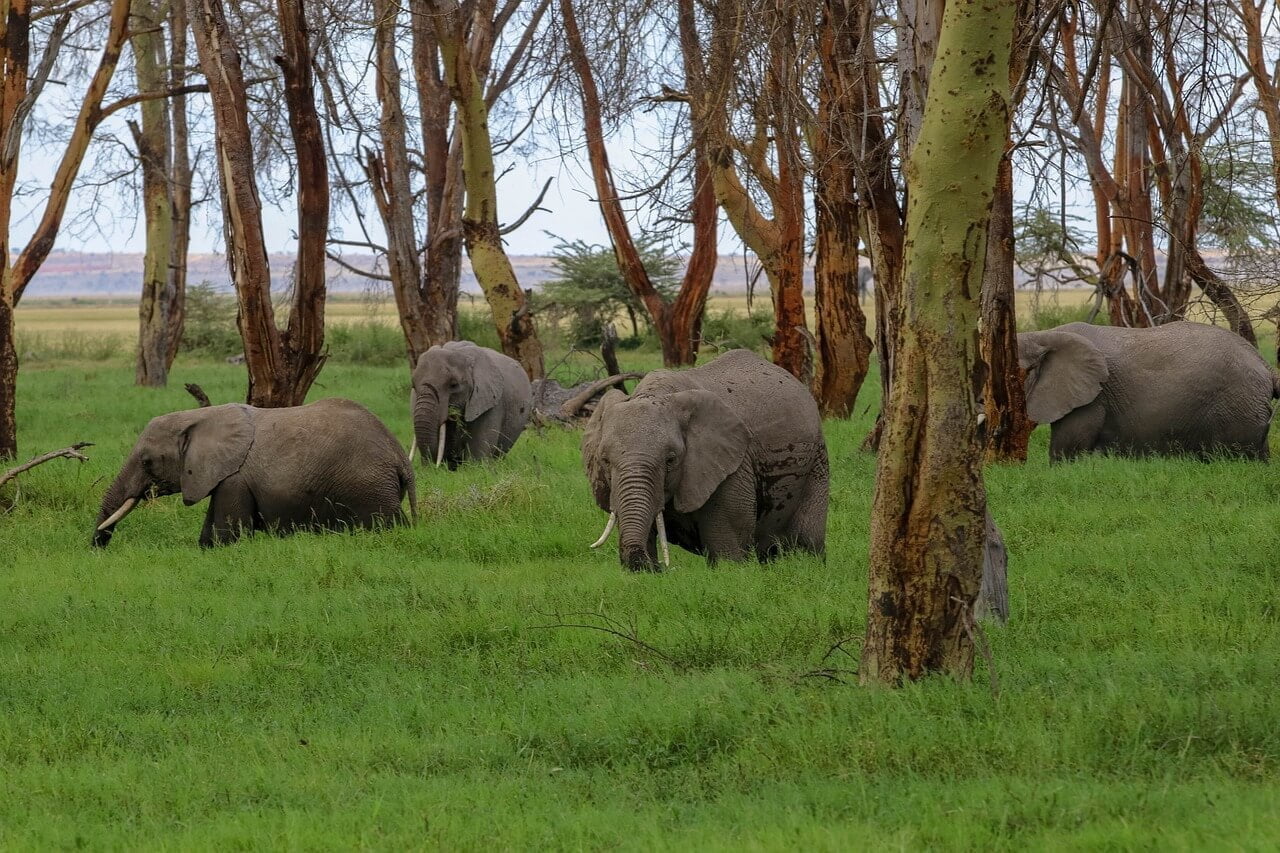
- Elephant herds – Amboseli is renowned worldwide for its elephant research and sightings of family groups in natural settings.
- Swamp ecosystems – Rich feeding grounds where elephants, buffaloes, and hippos thrive alongside waterfowl like pelicans and Egyptian geese.
- Cultural encounters – Visitors can engage with local Maasai communities, observing daily life, participating in traditional dances, and learning about Maasai customs and crafts near the park.
Things to Do in Amboseli National Park
- Game viewing – Morning and evening drives for wildlife sightings.
- Birdwatching – Year-round birding, peaking during the rainy seasons when migratory species arrive.
- Camping & photography – Campsites and lodges inside and around the park offer prime photography opportunities.
- Cultural visits – Meet the Maasai and learn about their traditions, beadwork, and pastoral lifestyle.
How to Get to Amboseli National Park
By Road:
- From Nairobi via Namanga on the Nairobi–Arusha Road, entering through Meshanani Gate.
- From Nairobi via Emali on the Nairobi–Mombasa Road, entering through Kimana (Olkelunyiet) Gate.
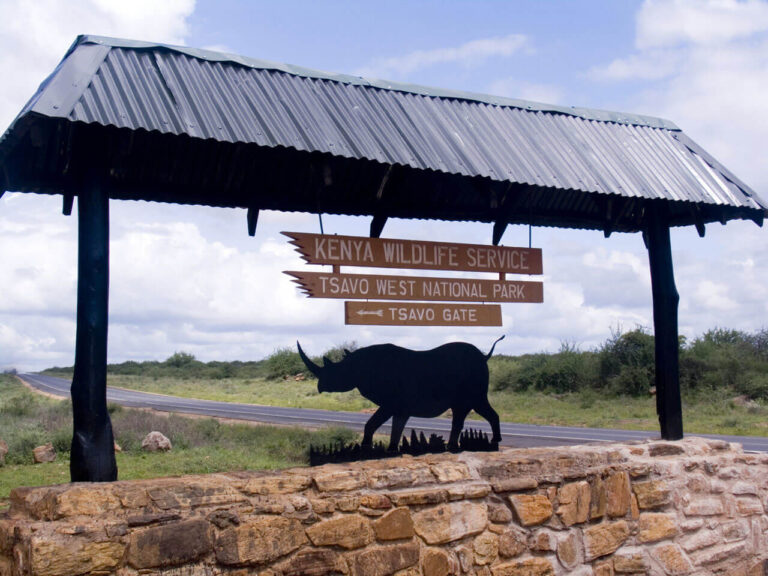
- From Mombasa, access is mainly through Tsavo West National Park and onwards to Kimana Gate.
By Air:
Amboseli has two main airstrips: at Empusel Gate and at the Park Headquarters (Olkelunyiet). Additional airstrips are found at Kilimanjaro Buffalo Lodge and Namanga town.
Visitor Information
- Park Size: 392 sq. km
- Climate: Hot and dry most of the year. Temperatures range from 20–30 °C. Rainfall averages 200–700 mm, with long rains (March–May) and short rains (November–December).
- Best Time to Visit: June–October (dry season, great for game viewing) and January–February. During the rains, landscapes are lush, and birdlife is at its best.
- Park Entry Fees: Rates vary for citizens, residents, and non-residents. Always check the official Kenya Wildlife Service (KWS) website for the latest prices.