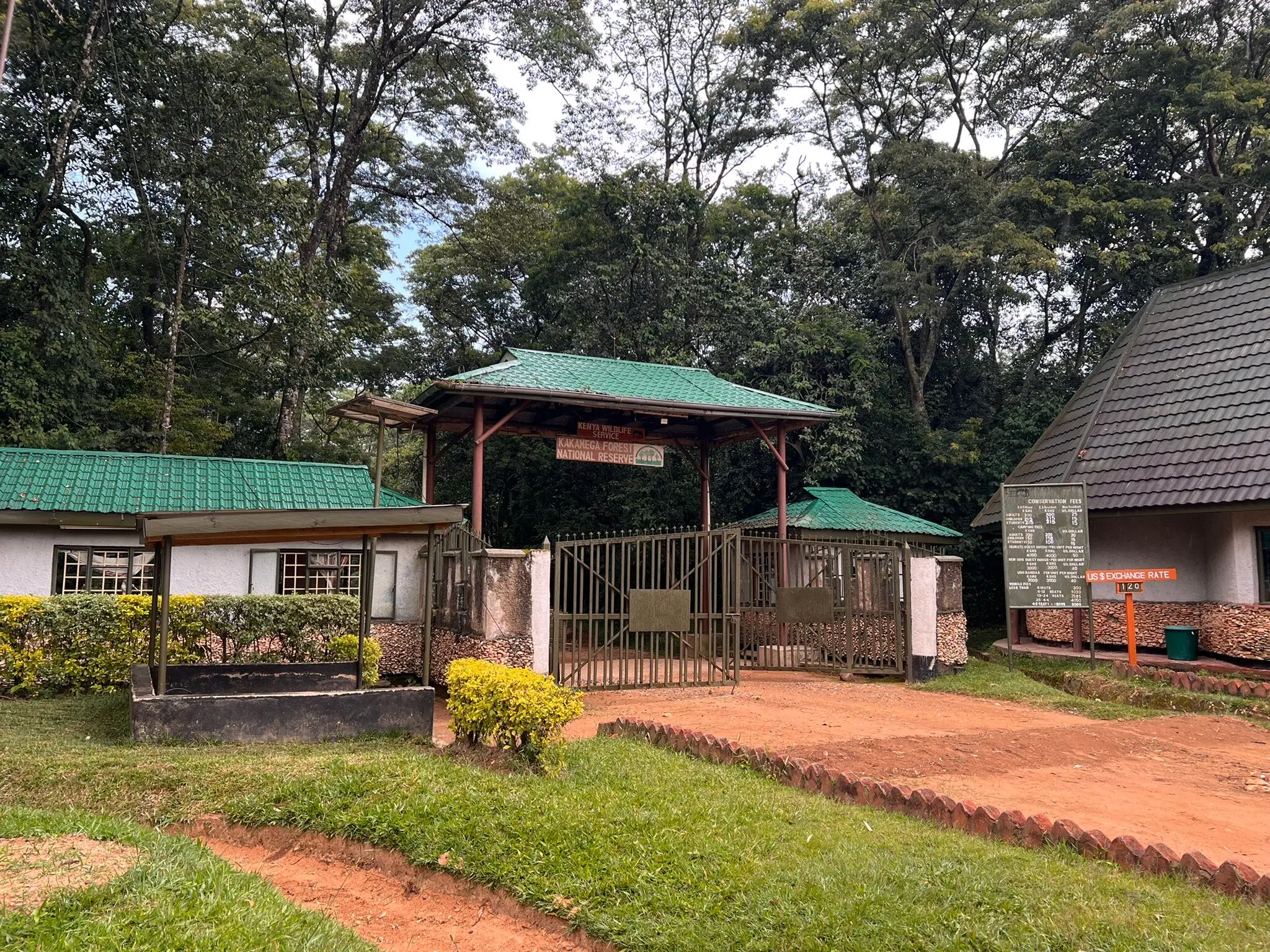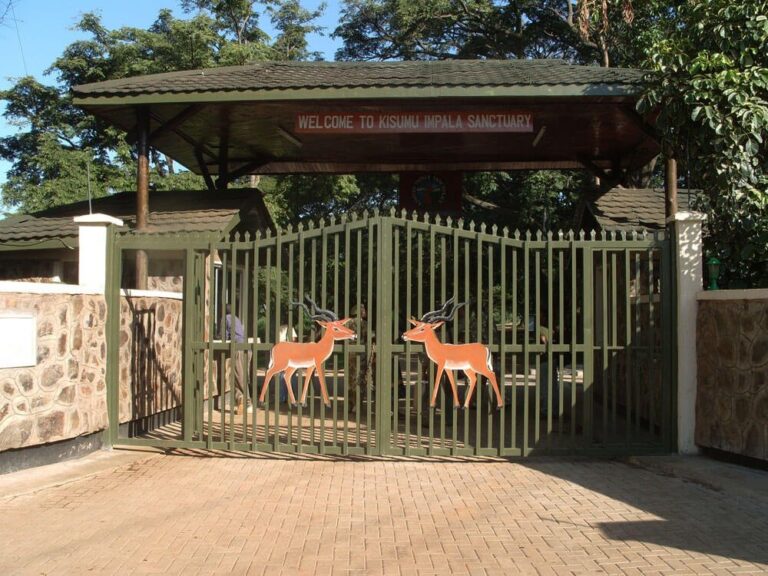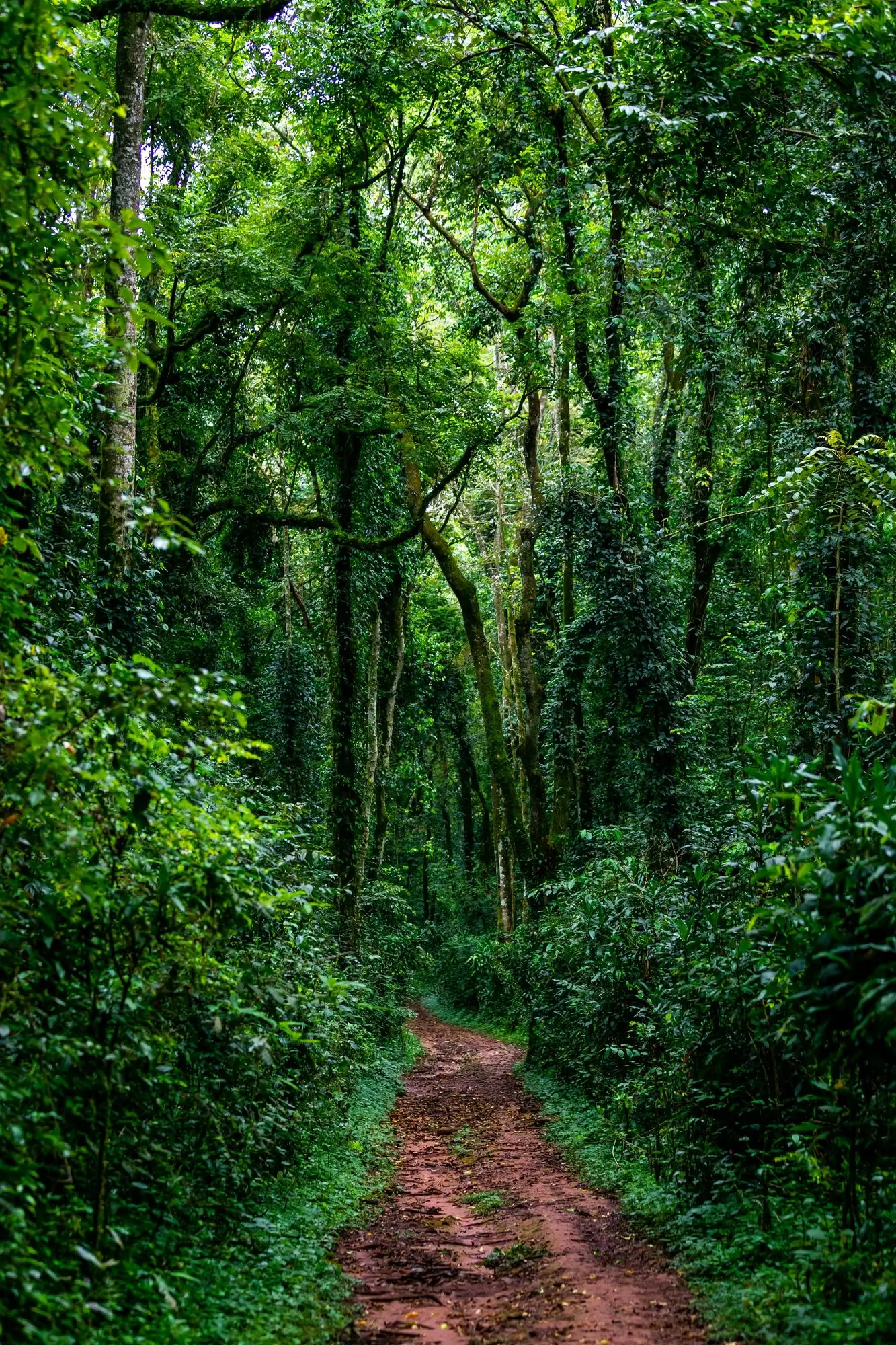
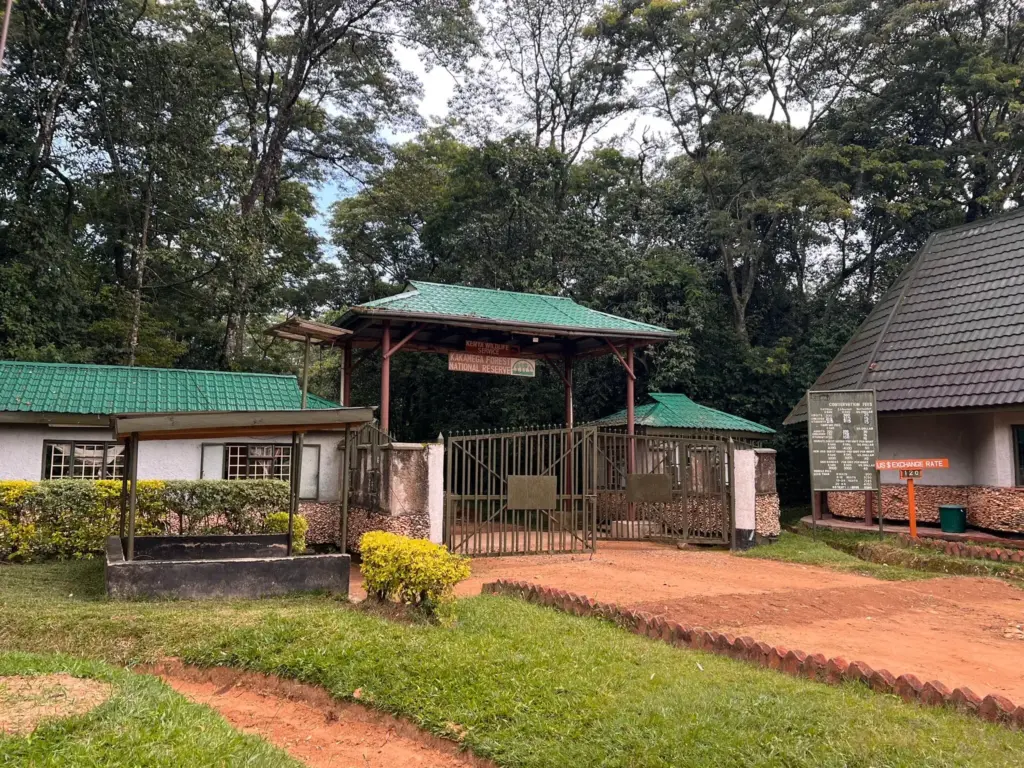
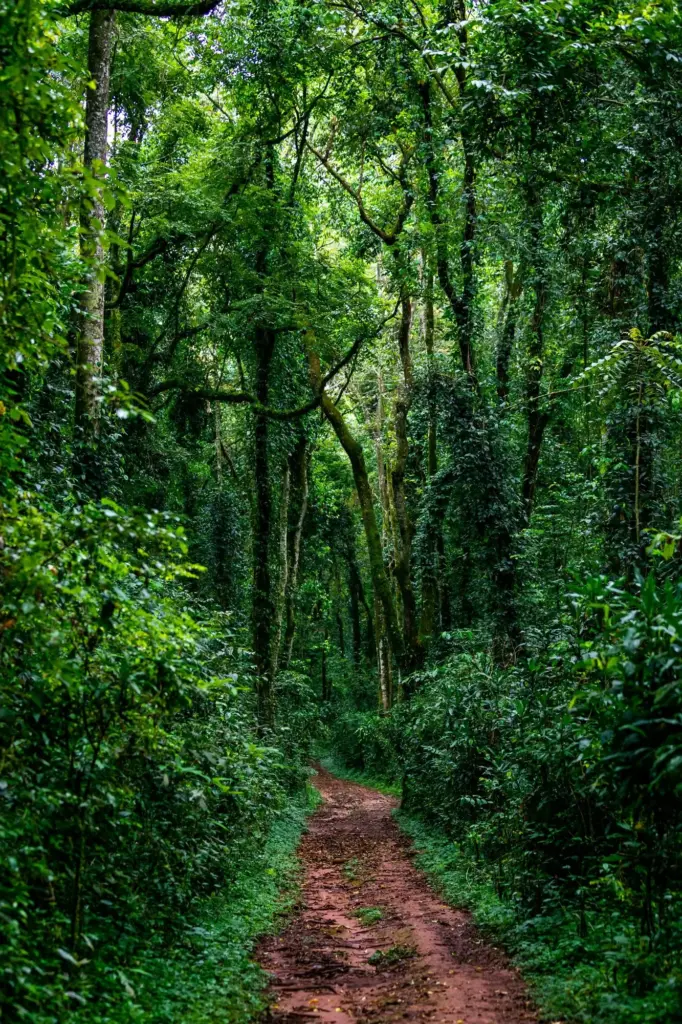

Kakamega Forest is a mid-altitude tropical rainforest and the easternmost outlier of the Congo Basin forests. Its West African affinities are unique in Kenya, and the forest contains many species found nowhere else in the country. The forest sits at an altitude of between 1,466 and 1,779 metres above sea level in Kakamega County, approximately 50 kilometres north of Kisumu and around 420 kilometres northwest of Nairobi.
The Kakamega Rainforest is the last remnant of the tropical rainforest that once stretched from the Atlantic coast across the African continent to the Indian Ocean. Only ten percent of that original area now remains, making Kakamega even more ecologically significant.
Kakamega Forest National Reserve was officially established on June 17, 1985. The reserve’s protected area covers 44.7 km² under the Kenya Wildlife Service, while the broader forest including surrounding reserves covers approximately 238 square kilometres. In 2010, the Kenya Wildlife Service submitted a proposal to UNESCO to include the rainforest on the World Heritage list.
Wildlife: What Lives Here That Lives Almost Nowhere Else in Kenya
The forest’s West African origins are visible in its wildlife at every level, from the canopy birds to the reptiles on the forest floor. Many species found at Kakamega are entirely absent from Kenya’s other forests and cannot be seen anywhere else in the country.
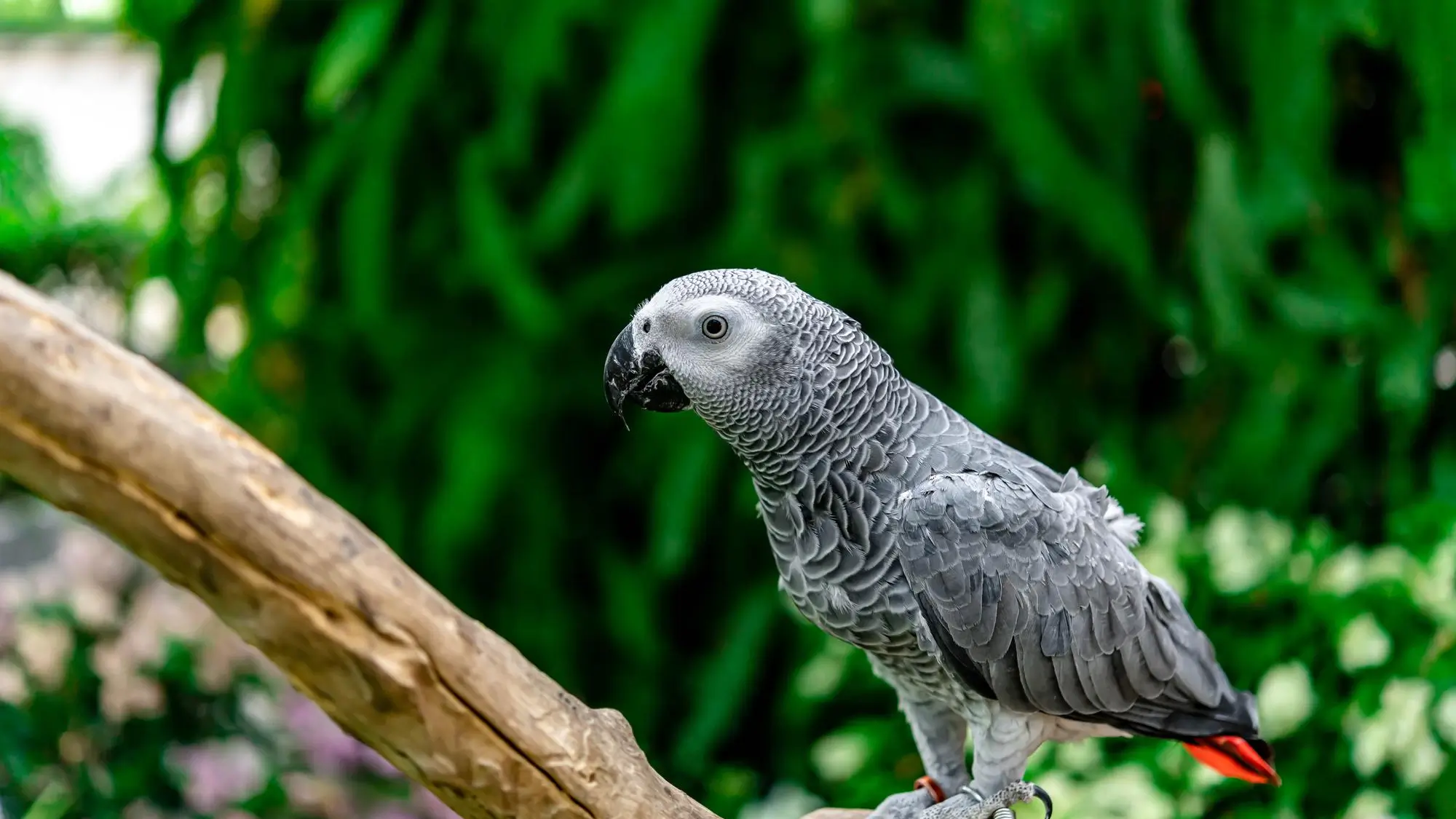
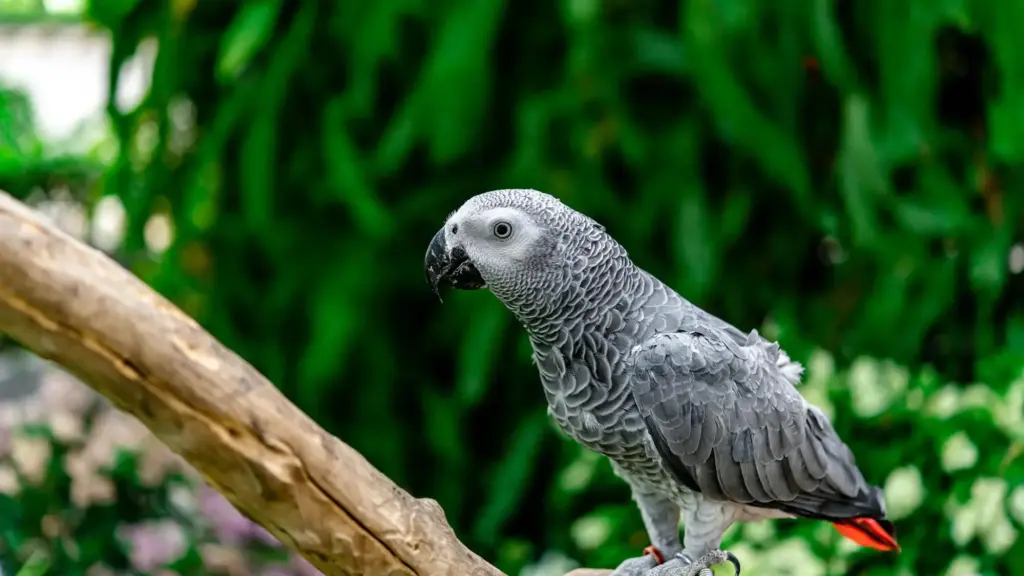
- Birds: At least 16 bird species occur in Kakamega but nowhere else in Kenya, including Chapin’s flycatcher, Turner’s eremomela, Ansorge’s greenbul, and the Blue-headed Bee-eater. Grey parrots are also present.
- Butterflies: Around 350 butterfly species are recorded in the forest, including at least one endemic species, Metisella kakamega, and the near-endemic Euphaedra rex. August is considered the best month for butterfly watching.
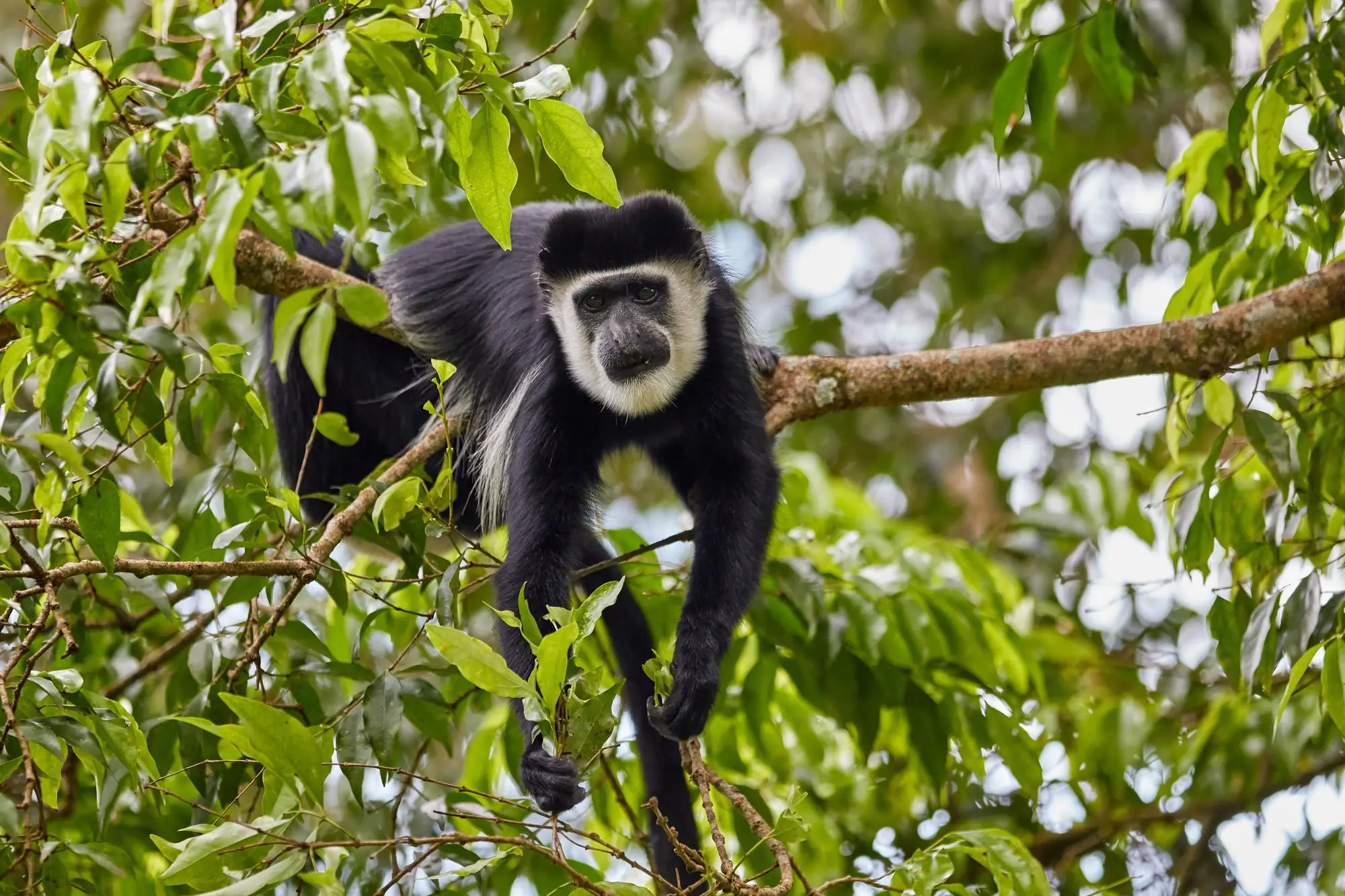
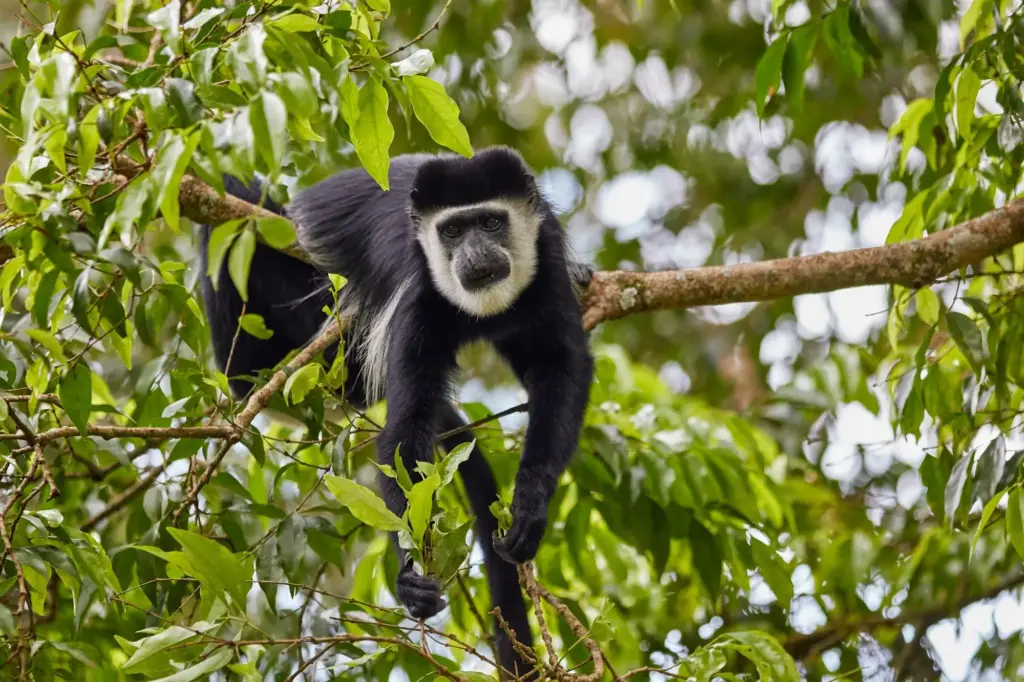
- Primates: Mammals at Kakamega include colobus monkeys, De Brazza’s monkeys, and pottos. Blue monkeys, red-tailed monkeys, olive baboons, and bush babies complete a primate community of seven species.
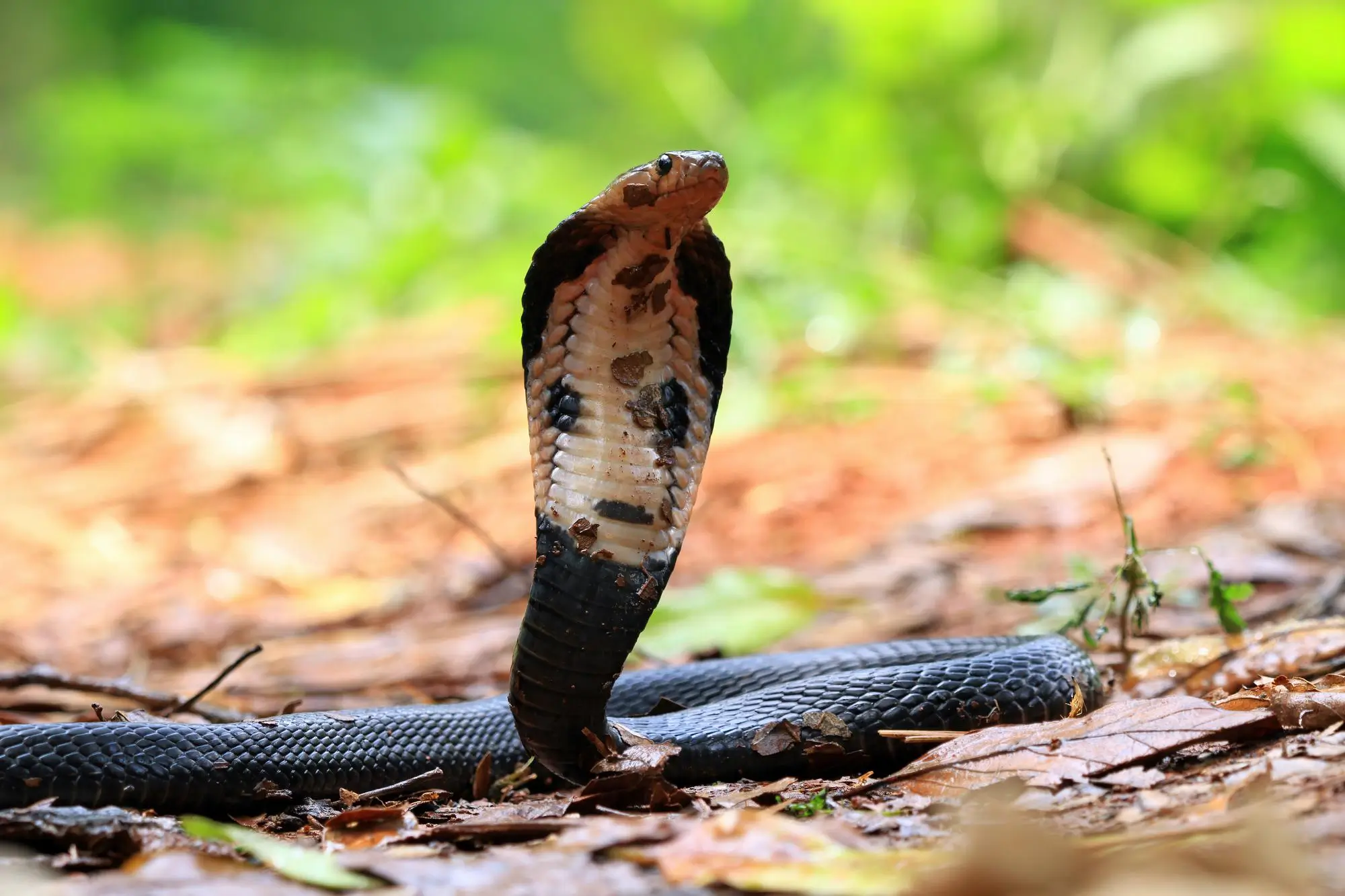
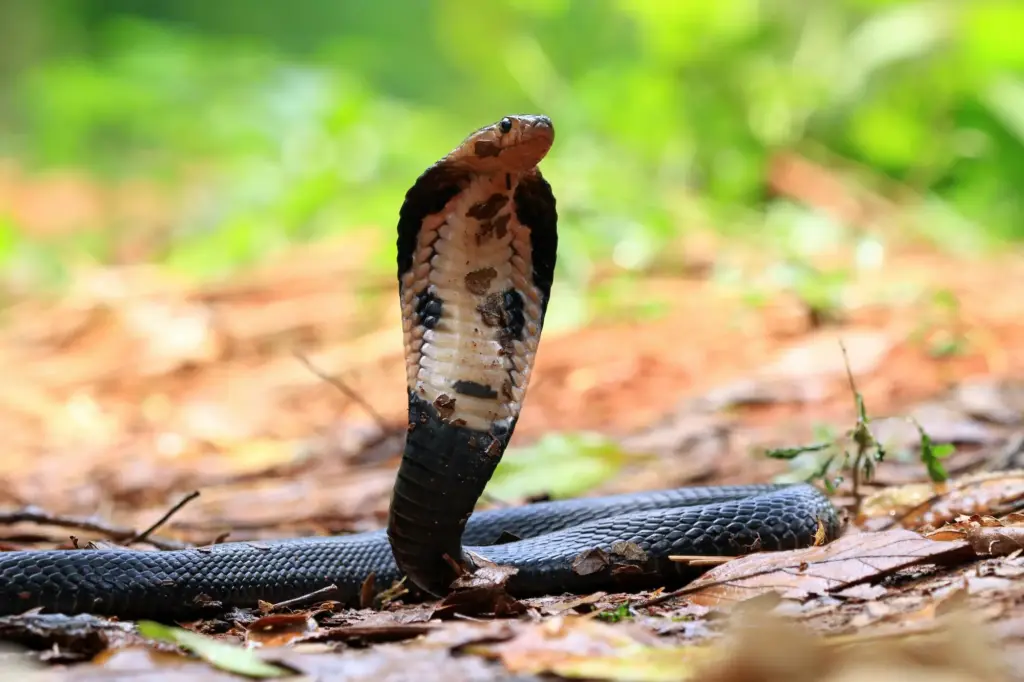
- Snakes: At least 28 snake species are recorded in the forest, including the rare Goldie’s tree cobra, Jameson’s mamba, the green bush-viper, the prickly bush-viper, and the rhinoceros-horned viper.
- Trees: There are 380 recorded species of plants in the reserve, including 150 species of trees and shrubs, 60 species of ferns, and 60 species of orchids, of which 9 are found only in this forest.
- Other Mammals: Bush pigs, giant forest hedgehogs, and pottos share the forest with bushbuck, duikers, African clawless otters, pangolins, and porcupines. Leopards were historically present; the last confirmed sighting was in 1991.
“The forest’s butterfly fauna is very diverse and important, both regionally and continentally.”
History: From Ancient Forest to National Reserve
Kakamega Forest was first gazetted as a Trust Forest in 1933, and two small Nature Reserves, Yala and Isecheno, totalling about 700 hectares, were established within the Forest Reserve in 1967. The reserve has been under pressure from the surrounding communities for much of that period. The region is described as one of the most densely populated rural areas in the world, and pressure on forest resources is considerable.
Many local inhabitants rely on the forest to supply firewood, building poles, and traditional medicines. The Kenya Wildlife Service has responded with a participatory forest management approach, incorporating surrounding communities in conservation work rather than treating them as external threats.
One of the most important local cultural landmarks is Mama Mutere, the name given by local residents to the largest and oldest tree in the reserve. It stands 40 metres high and is approximately 250 years old. Its bark has traditionally been used in medicine for stomach ailments and is one of the most photographed trees in the forest.
The Luhya people are the indigenous community of the Kakamega area. Cultural encounters with the community offer opportunities to hear ancient stories, watch traditional dances, and learn about the use of traditional medicines. Village walks can be arranged through KWS-licensed guides operating from the forest gates.
Activities: What to Do at Kakamega Forest National Reserve
The forest is built around walking. Unlike Kenya’s savanna reserves, Kakamega does not require a vehicle. The activity here is slow, close, and often surprising. A single two-hour morning trail regularly produces a dozen bird species that cannot be found anywhere else in the country.
- Bird Watching: Kakamega is widely regarded as one of the finest birding destinations in East Africa. The Kenya Forest Service provides two-hour bird-watching tours at 6:30 am and 4:30 pm. The early morning session is particularly productive, as the canopy comes alive before the heat of the day quiets it. Turaco calls, the flash of a grey parrot between fig trees, and the blue-headed bee-eater perched above a forest stream are among the encounters birders travel specifically to see.
- Buyangu Hill and Lirhanda Hill Viewpoints: The viewpoint at Buyangu Hill offers a wonderful overview of the surrounding forest, especially impressive at sunrise. From Buyangu Hill, there are uninterrupted views east to the Nandi Escarpment. Lirhanda Hill is used for organised sunset viewings, with tours running between 3 pm and 5 pm.
- Night Walks: The Kenya Wildlife Service organises two-hour nighttime safaris for a different kind of forest experience. Pottos, bush babies, and the sounds of a forest at rest offer a completely different encounter with the same landscape visited by day. Guides are mandatory and can be booked at the forest gates.
- Isiukhu Falls: The small but lovely Isiukhu Falls sit within the reserve and can be reached on a half-day guided trail from the Isecheno entrance. The Isiukhu and Yala rivers both flow through the forest, drawing wildlife to their banks and providing cool, shaded walking routes along their courses.
Getting There and When to Visit
Kakamega Forest Reserve is accessible from several major towns and cities.
- From Nairobi: Approximately 6 to 7 hours by road via Nakuru and Kapsabet along the A104, then C36 to Kapsabet and C39 to Kakamega.
- From Kisumu: About 1 hour driving north on the A1 highway toward Kakamega town, then follow the signs to Buyangu.
- Via Kisumu Airport: Fly from Nairobi to Kisumu, then transfer by road to the reserve for a total travel time of about 1.5 hours.
- From Eldoret: Around 2 hours by road, driving southwest via Webuye to Kakamega town.
Best Time to Visit
The best periods to visit Kakamega Forest are between June and July and December to February, when rainfall is lower. June and July coincide with the local bird breeding season. August brings the peak butterfly activity. That said, the forest can be visited year-round. The wet seasons (March to May and October to November) bring heavier rains but also the most lush conditions and the fewest visitors.
Entry to the reserve is managed by the Kenya Wildlife Service. Non-resident adult entry is USD 25, with lower rates for children and students. The reserve is open every day from 6 am to 6 pm. Camping is available at the KWS-managed Udo and Biota campsites within the reserve.