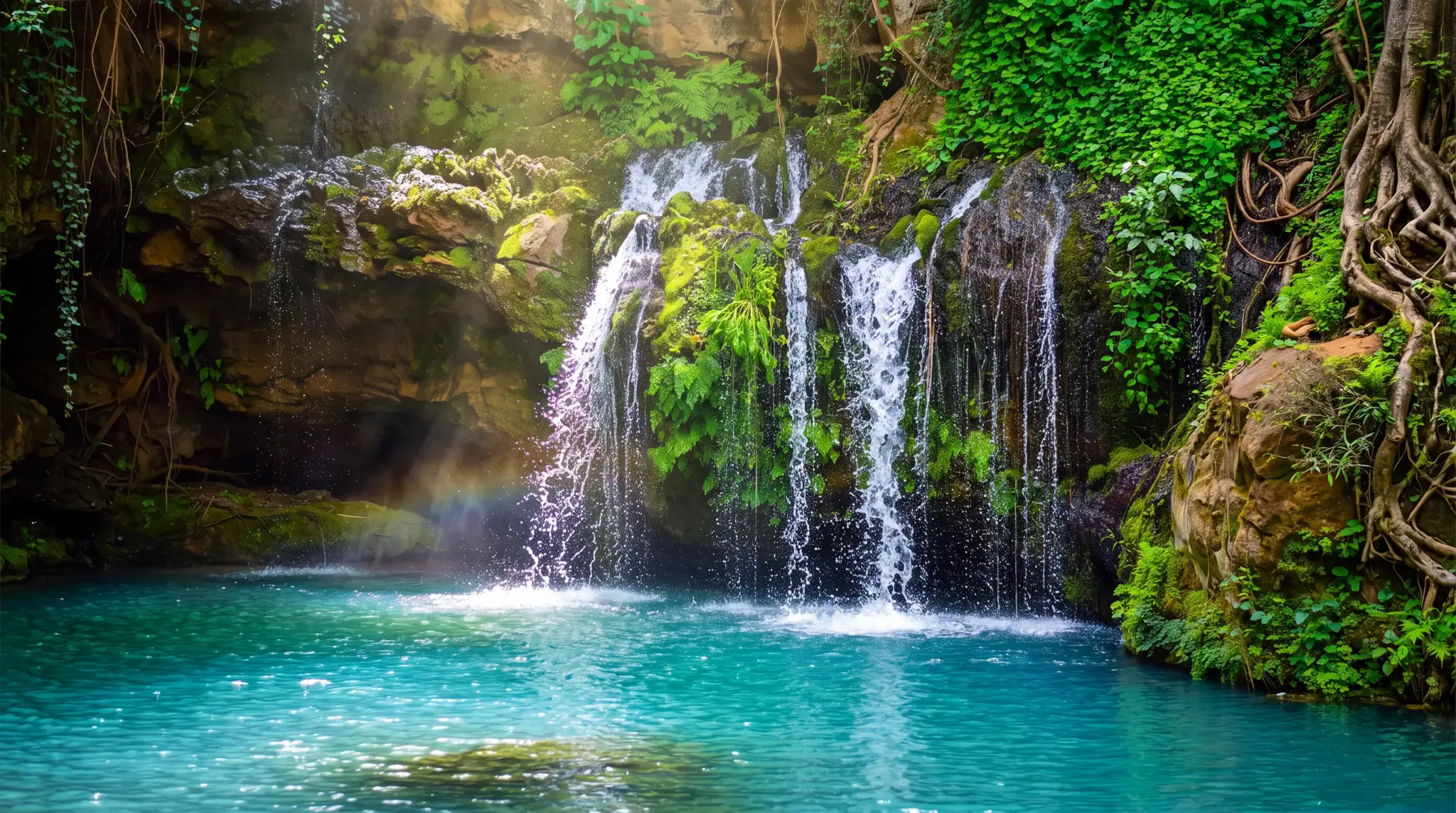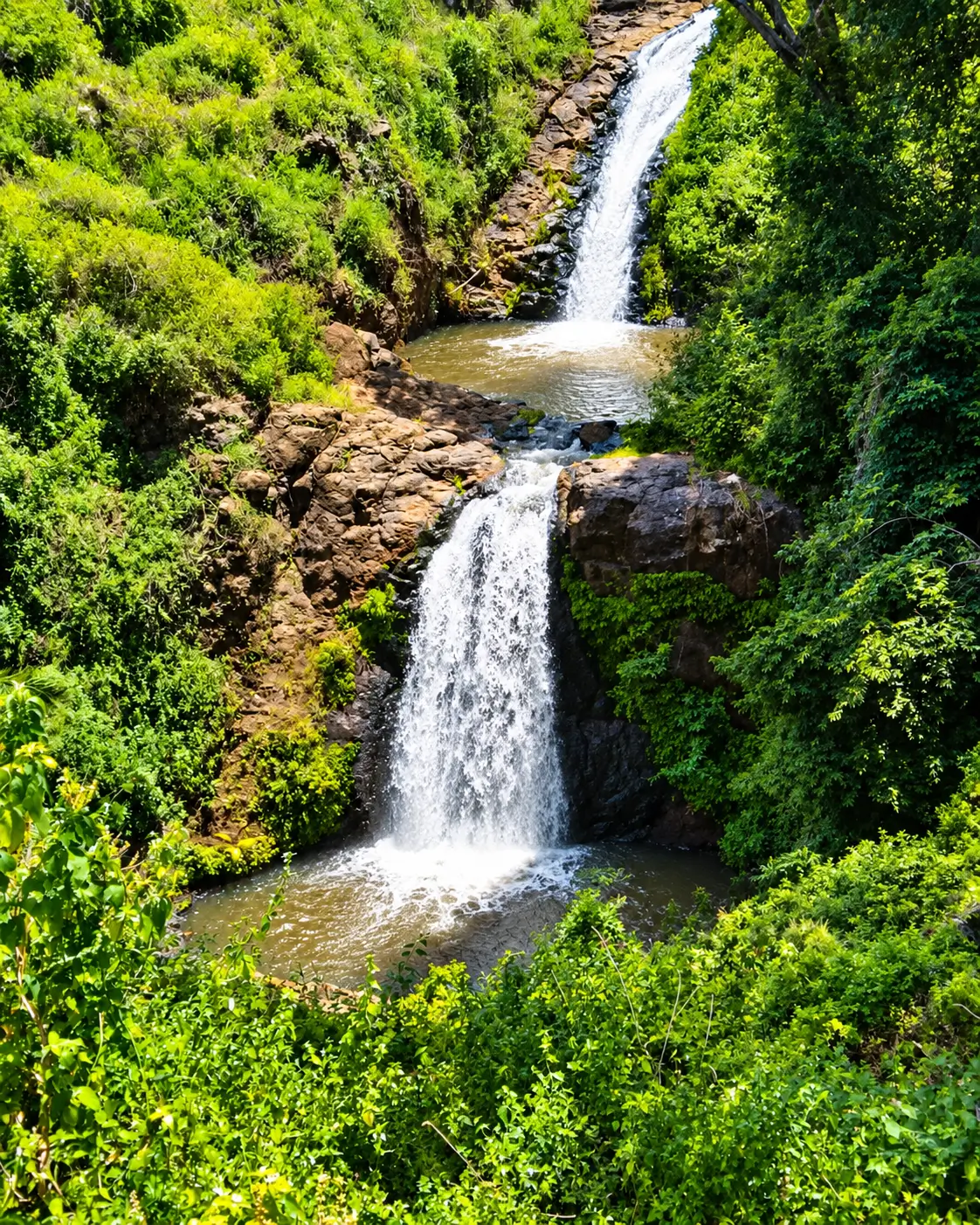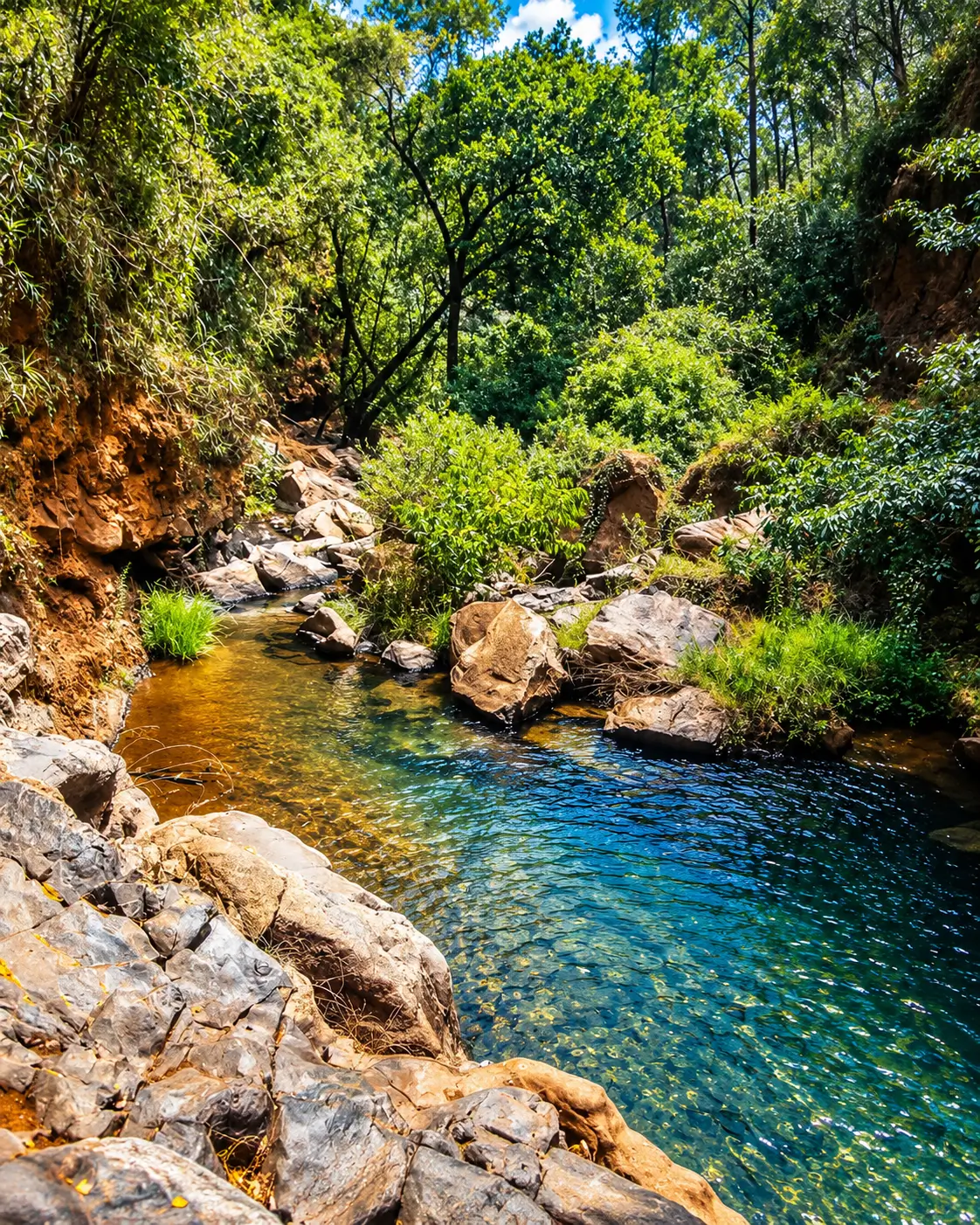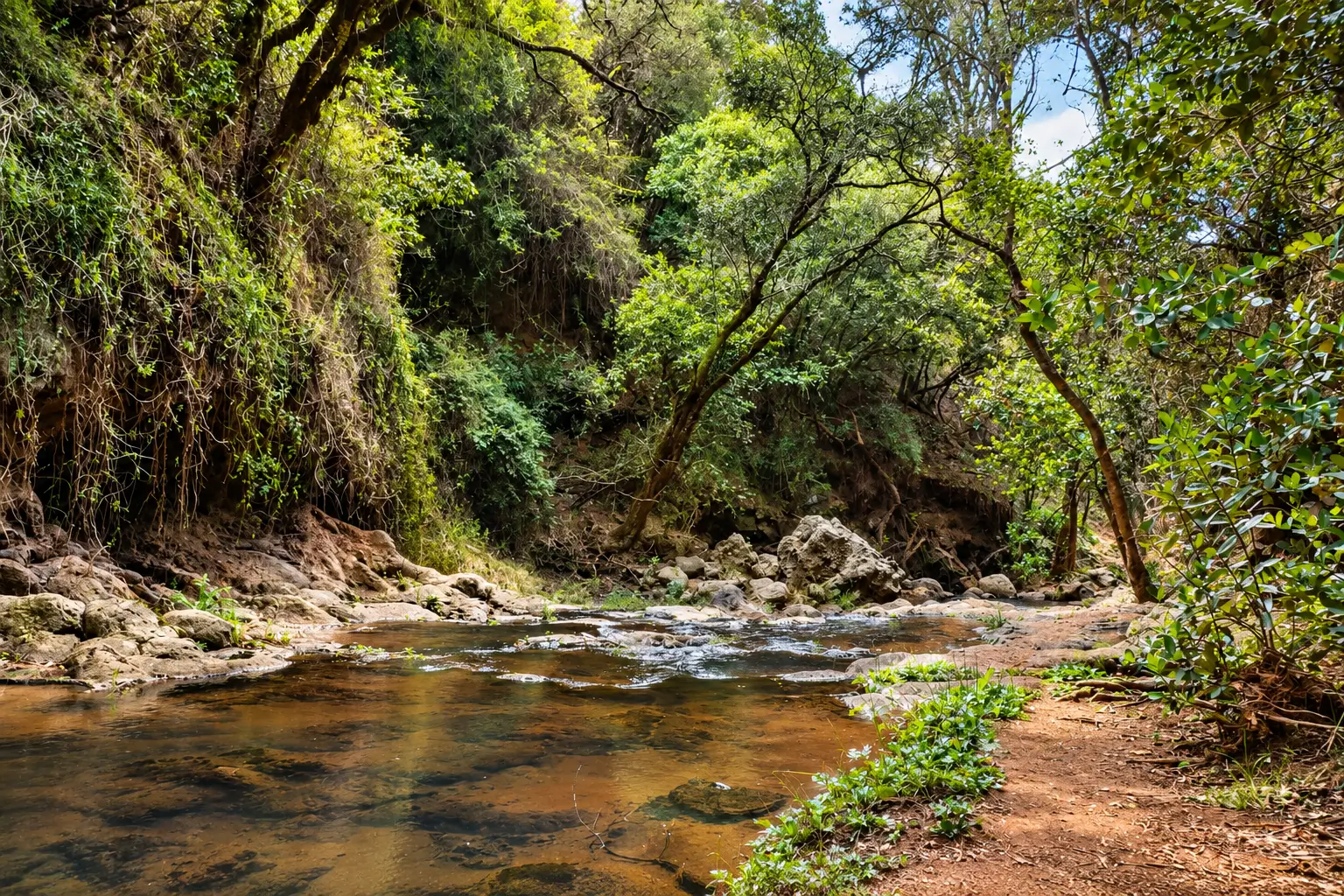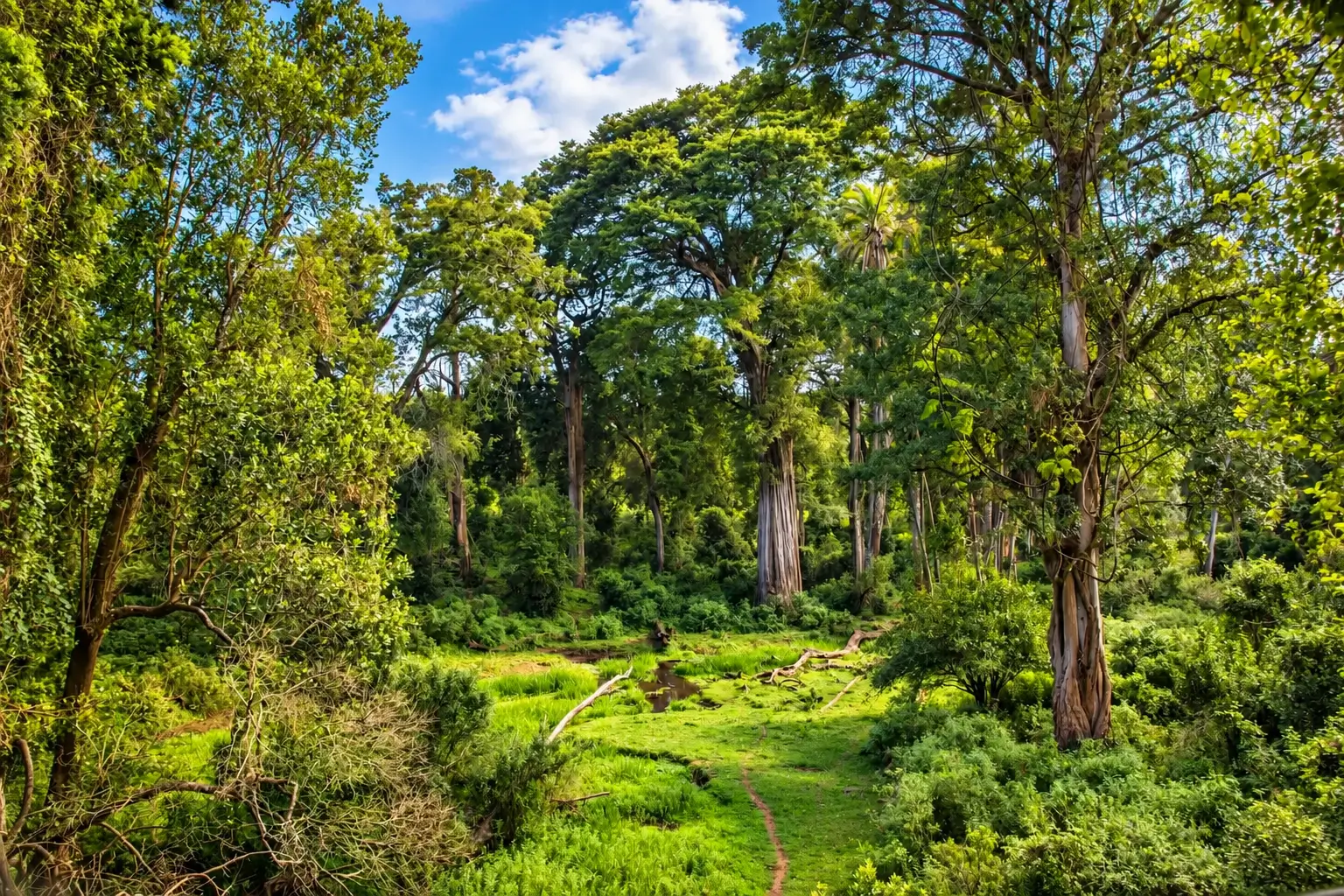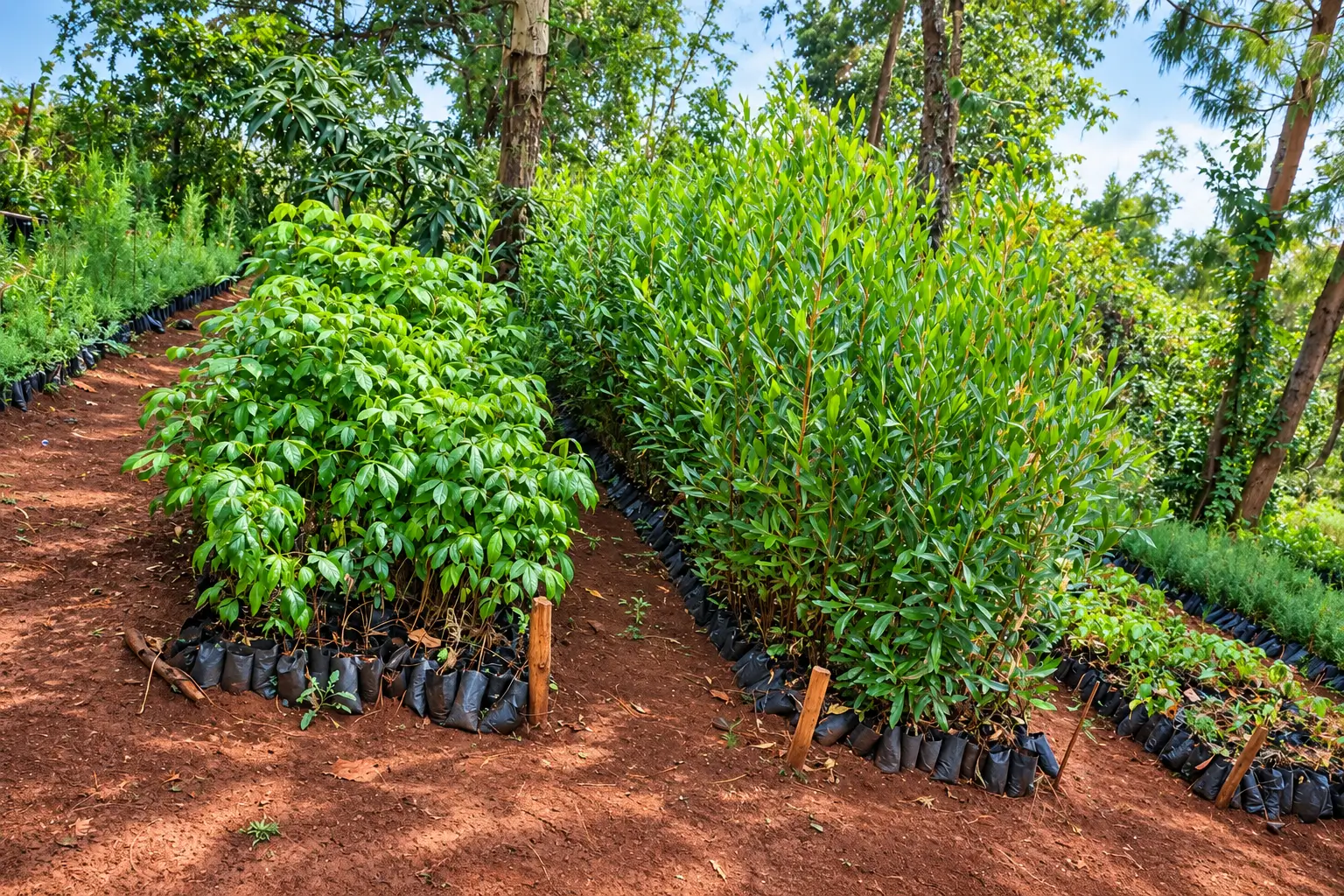


Ngare Ndare Forest is an indigenous forest on the northern foothills of Mount Kenya, on the Meru and Laikipia border, just past Timau on the Nanyuki–Meru road. You can walk a canopy walkway, swim in waterfall pools, take ranger-guided forest walks and camp. Book at least three days ahead.
What is Ngare Ndare Forest?
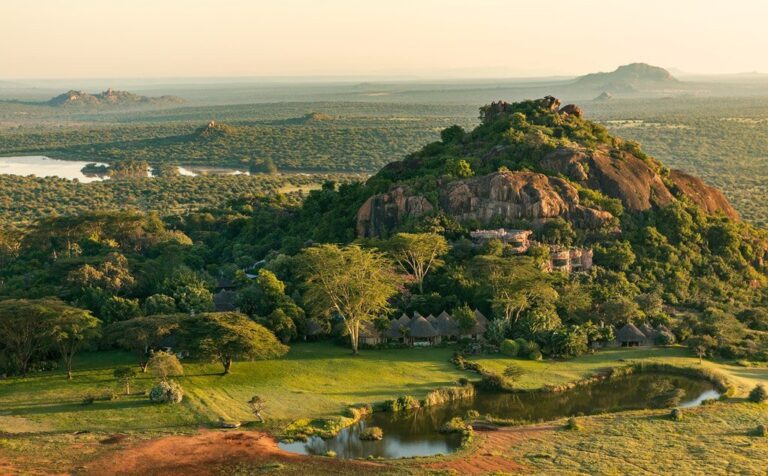
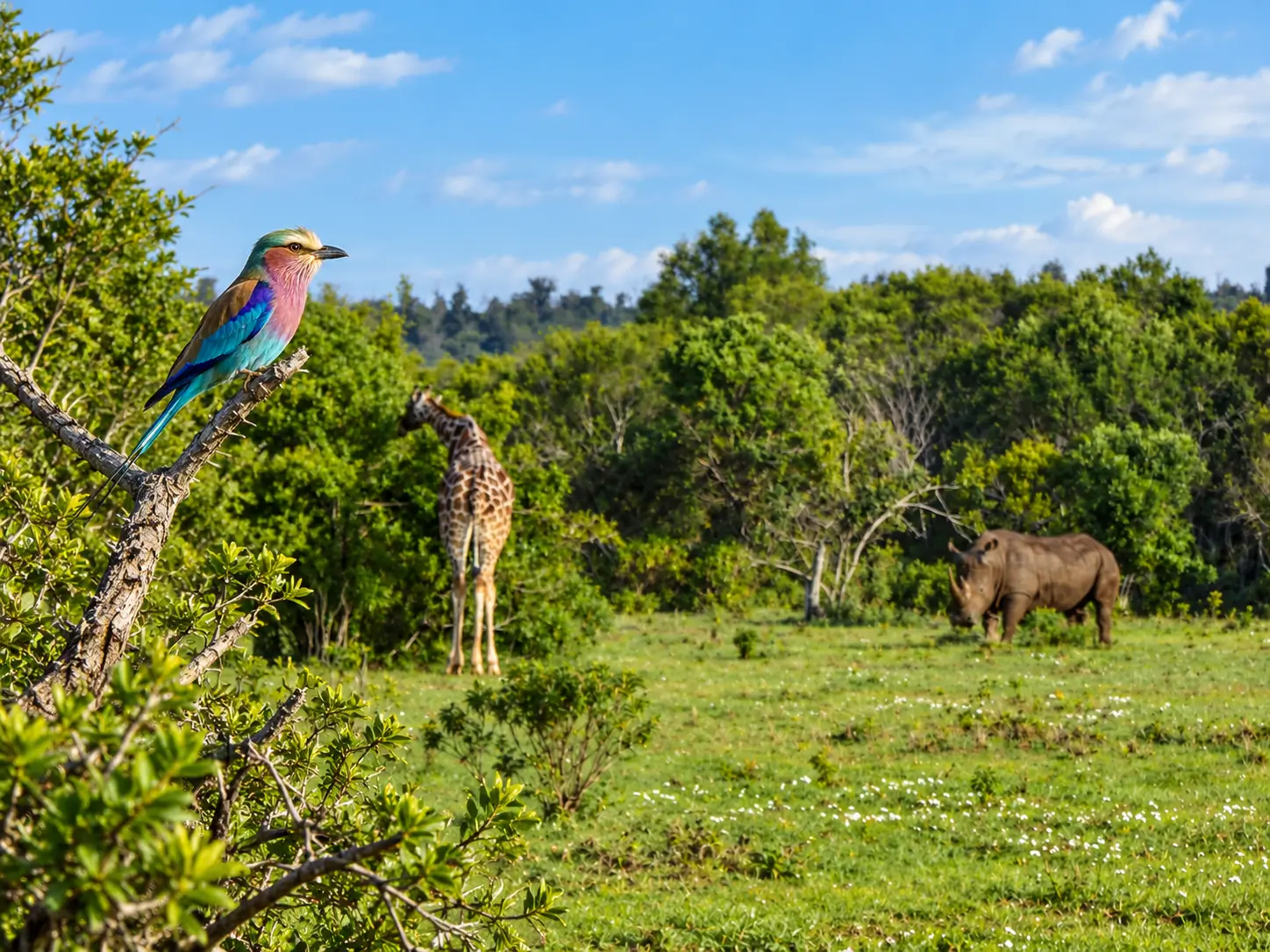
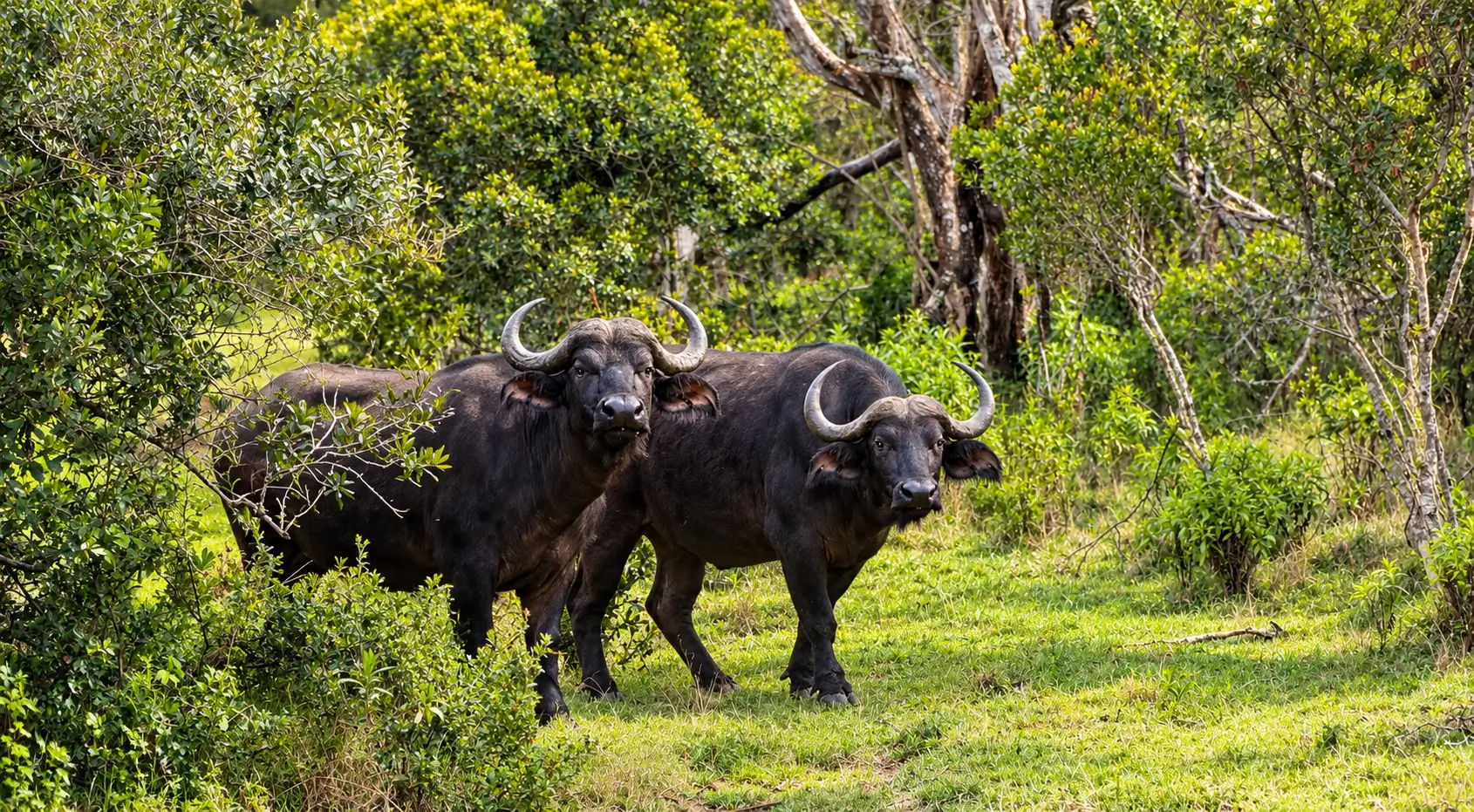
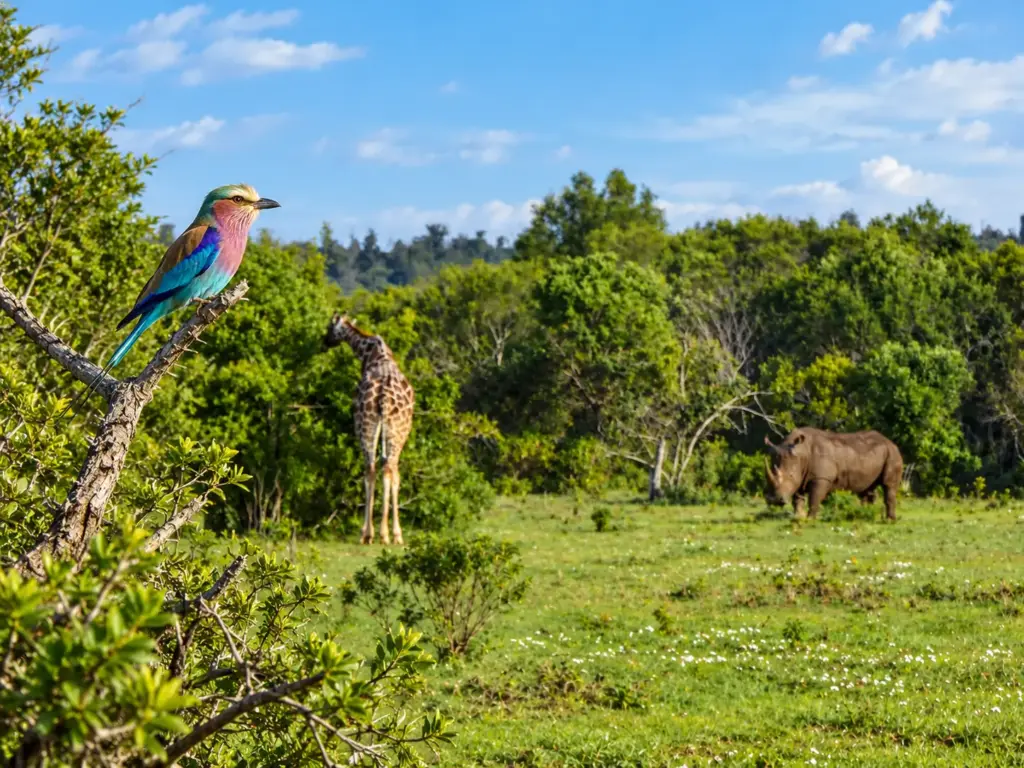
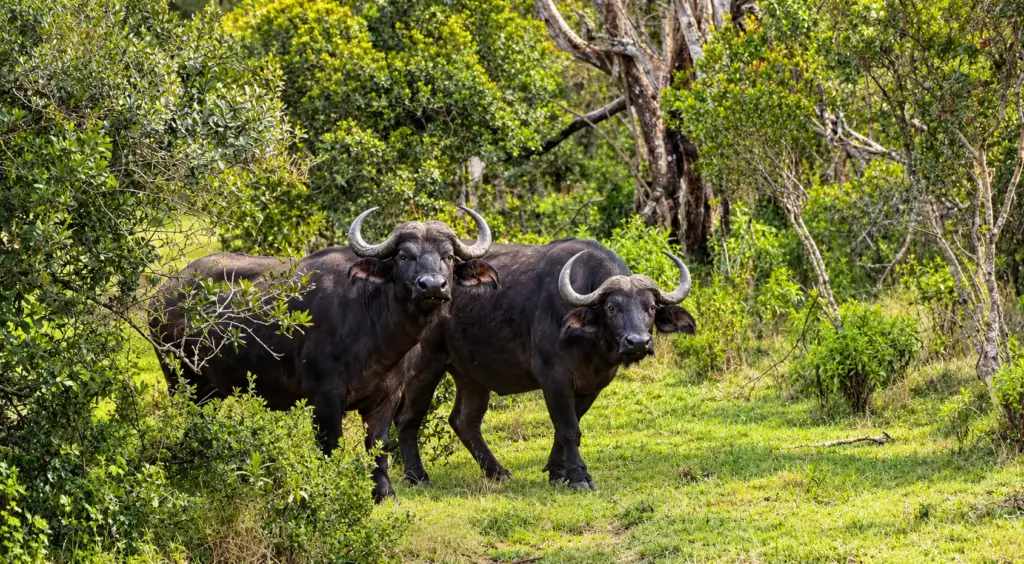
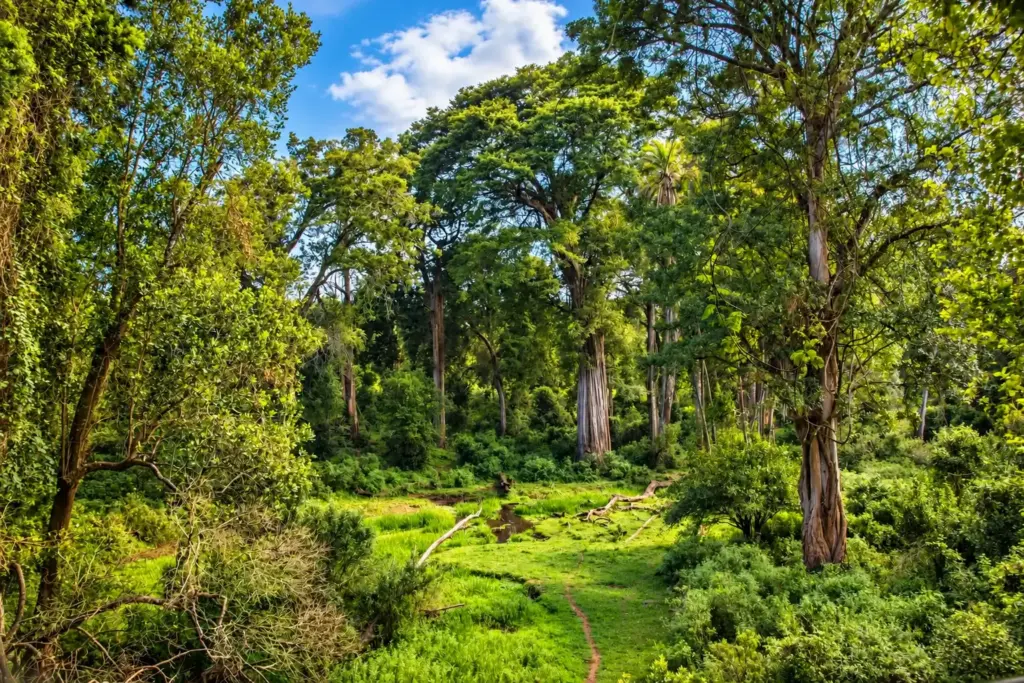
Ngare Ndare Forest covers about 5,540 hectares of indigenous forest, mostly African olive and red cedar, with trees around 200 years old. The Ngare Ndare Forest Trust manages it with surrounding communities, and 70% of ecotourism profits go to community projects. The forest is also an elephant corridor linking Lewa Wildlife Conservancy and northern Kenya to the Mount Kenya forest reserve. Elephants, buffalo and monkeys live here, along with many birds and butterflies.
It is one of the lesser-known places in Kenya, and it suits a trip exploring Mount Kenya.
What can you do at Ngare Ndare Forest?
- Walk the canopy walkway, a suspended path of several hundred meters through the treetops, and its viewing platform
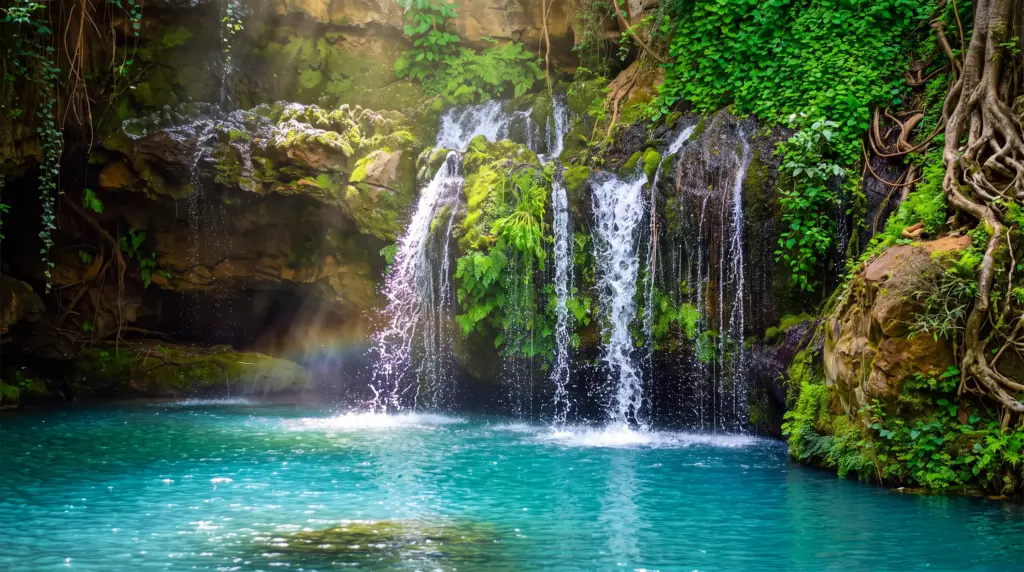
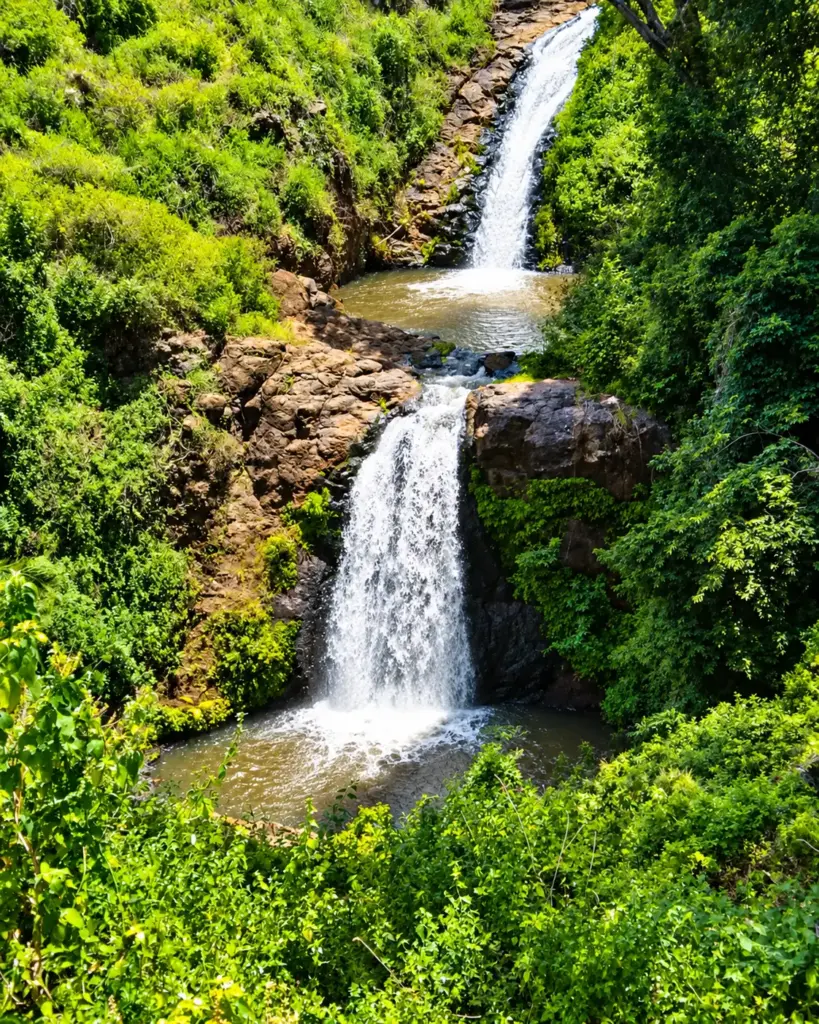
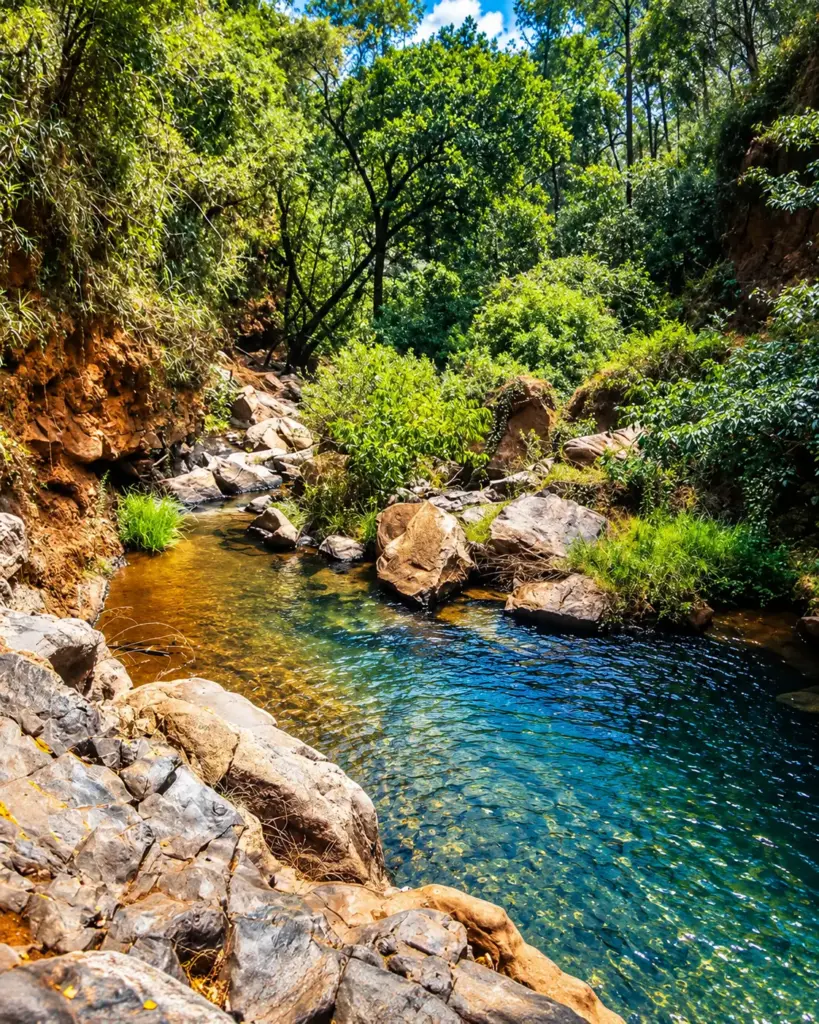
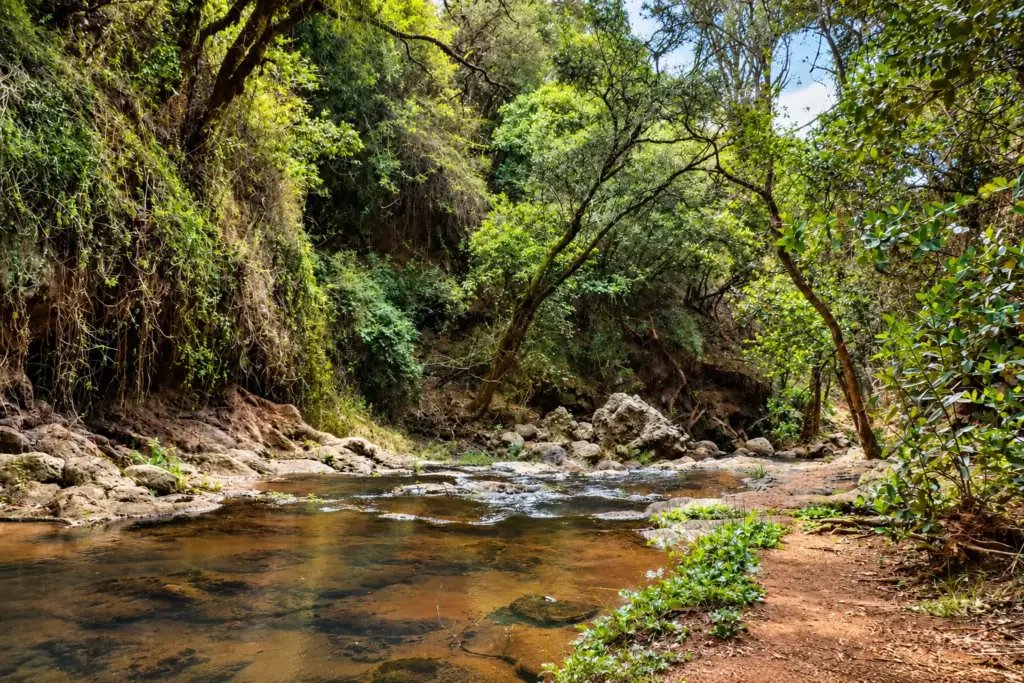
- Swim and dive in the cold, clear blue pools below the waterfalls
- Take a nature walk with an armed ranger, who accompanies every walk
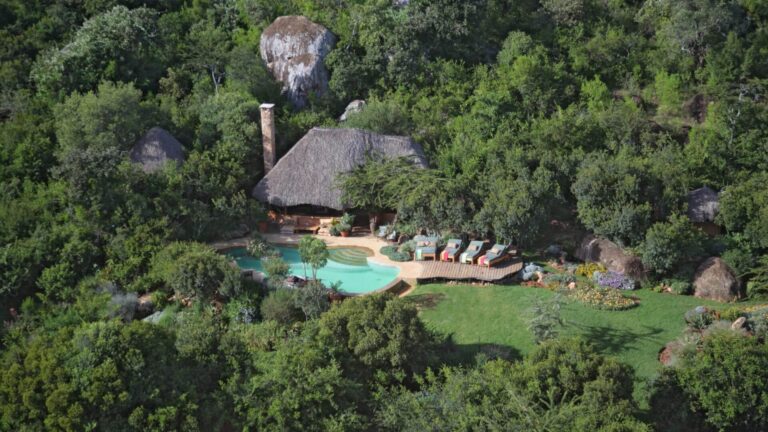
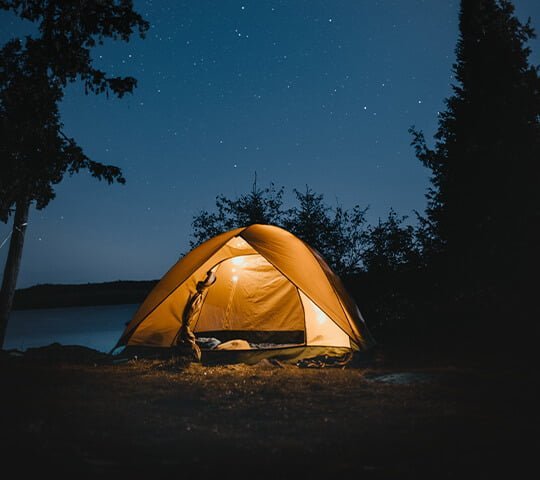
- Camp overnight, with a ranger for each night
- Watch birds and wildlife (binoculars and a bird book help)
Where is Ngare Ndare Forest and how do you get there?
Ngare Ndare Forest is about an hour’s drive from Nanyuki. For other stops nearby, see things to do in Nanyuki. To get there:
- Drive along the Nanyuki–Meru road and turn left immediately after Timau town, 400 m from the Timau police roadblock.
- Follow the signposted rough road for 11 km to the forest gate.
- Continue 4 km inside the forest to the sign pointing to the canopy walkway, platform and blue pools.
A saloon car can reach the forest. The Trust recommends a 4WD for the best access to the waterfalls.
How much does it cost to visit Ngare Ndare Forest, and how do you book?
The Trust charges for day-trip entry, vehicles, camping and the armed ranger required for all walks and overnight stays. Residents, non-residents, children and school groups pay different rates, and children under 10 are free. See the Ngare Ndare Forest Trust’s current rates.
When is the best time to visit Ngare Ndare Forest, and what should you bring?
Arrive between 8:00 am and 10:00 am, when wildlife is more active, and walking is cooler. The wet seasons are April to June and November to December, and the other months are usually hot and dry.
- Comfortable walking shoes or trainers and light, loose clothing
- A hat, sunglasses and sunscreen
- Swimwear and a towel if you plan to swim
- Drinking water in a refillable bottle, because single-use plastic bottles are not allowed (campers should bring their own clean drinking water)
- Binoculars, a camera and a picnic
Keep below 40 km/h on forest tracks, stay on marked paths, take litter away and never feed animals.